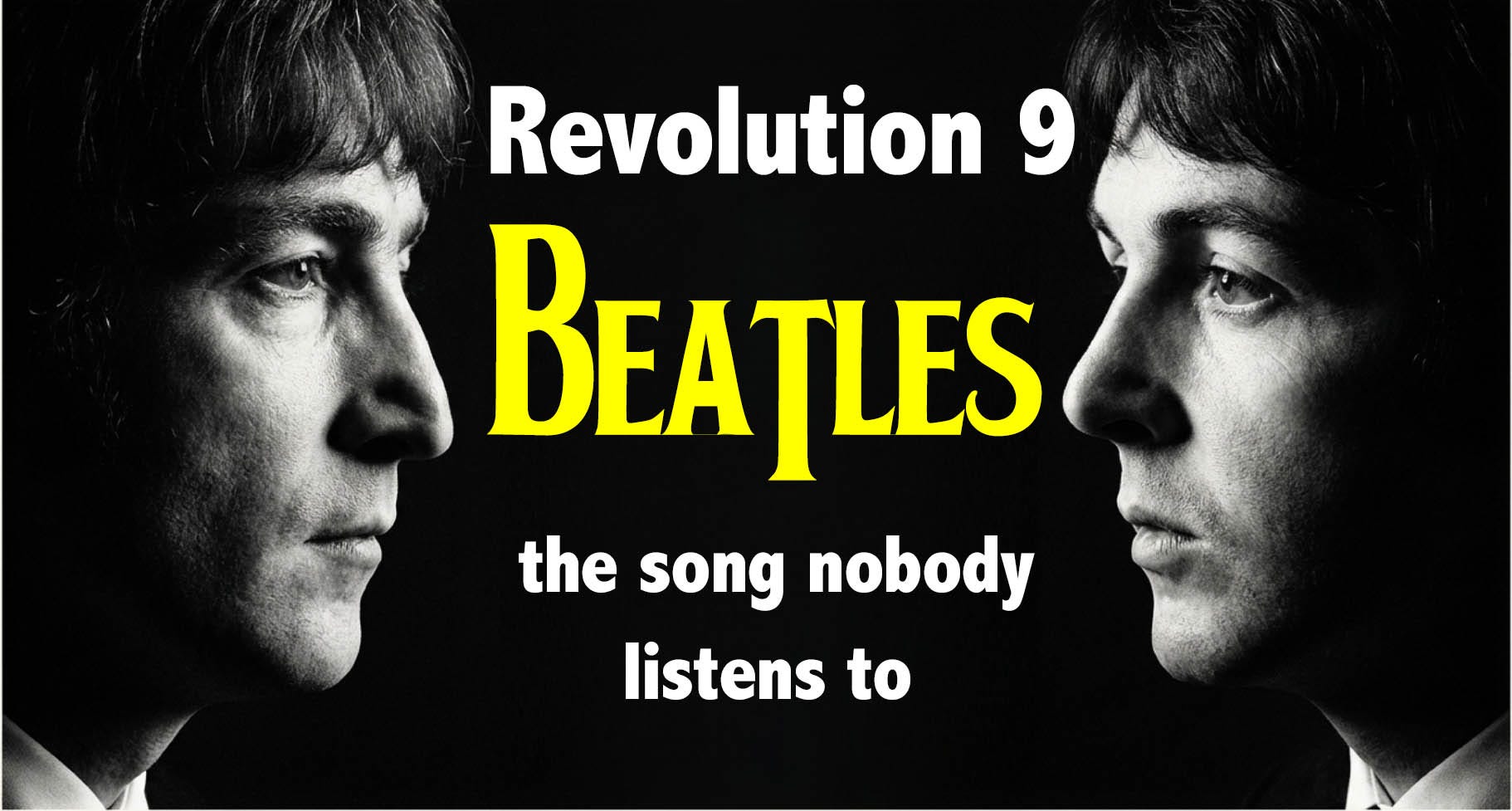
If you’ve ever listened to “Revolution 9” all the way through without skipping, congratulations—you’re braver than most Beatles fans. This eight-minute-and-twenty-two-second sonic fever dream sits on the White Album like that weird casserole your aunt brings to Thanksgiving: technically food, definitely controversial, and guaranteed to make at least half the people uncomfortable. 🎵
But Paul McCartney didn’t want you to hear it. At all. The guy who gave us “Yesterday” and “Let It Be” fought tooth and nail to keep this avant-garde madness off the album. And the story of why reveals one of the most intense creative battles in Beatles history.
What Even IS “Revolution 9”?
Let’s start with the basics for anyone who’s wisely been skipping this track for decades. “Revolution 9” isn’t really a song. It’s a sound collage—eight minutes of tape loops, backward recordings, random sound effects, spoken phrases, bits of classical music, and what might be someone’s washing machine having a nervous breakdown. The phrase “number nine” gets repeated over and over, along with various other fragments that may or may not mean anything. 🔊
John Lennon created it primarily with Yoko Ono, working late into the night at Abbey Road. The track was Lennon’s attempt to push the Beatles into genuine avant-garde territory, to prove they weren’t just a pop band but serious artists capable of challenging their audience. Yoko’s influence was all over it—she’d been making this kind of experimental music for years.
Paul saw it as eight minutes of unlistenable noise that would alienate fans and waste valuable album space. Spoiler alert: they were both kind of right. 😬
The Battle for Side Four
Picture this: it’s 1968, the Beatles are recording the White Album, and tensions are already running high. The band is fragmenting, with each member essentially recording their own songs while the others wait around looking bored or annoyed. Into this combustible situation, John announces that “Revolution 9” will be on the album.
As legend has it, Paul argued passionately that it shouldn’t be included—that it was too experimental, too weird, too likely to confuse and alienate fans. The White Album was already going to be their longest, most sprawling release. Did it really need eight-plus minutes of what sounds like a radio dial spinning through stations in hell? 🎸
The argument revealed a fundamental split in the band’s artistic philosophy. Paul believed the Beatles owed their audience accessibility. Experimentation was fine, but it should still sound like music. John, increasingly under Yoko’s influence and eager to be seen as a serious artist rather than just a pop star, thought the Beatles should challenge their audience, push boundaries, push fans beyond their comfort zones.
In the end, John won. “Revolution 9” made it onto the White Album. Paul lost that battle, but the war would continue until the band broke up less than two years later. 💔
The Messages Nobody Asked For
Here’s where things get genuinely weird. “Revolution 9” might have remained a curious experimental footnote except for one problem: people started finding messages in it. Lots of messages. Secret messages. Hidden messages.
The most famous one? If you play “Revolution 9” backward, you can allegedly hear “Turn me on, dead man.” This became crucial evidence in the “Paul is Dead” conspiracy theory that swept through college campuses in 1969 like a particularly contagious case of paranoid delusion. 💀
The theory went like this: Paul had died in a car crash in 1966 and been replaced by a look-alike. The Beatles, consumed by guilt, left clues about Paul’s death throughout their albums. And “Revolution 9” was supposedly John confessing the truth.
Never mind that “turn me on, dead man” sounds nothing like what you actually hear when you play it backward. Never mind that if the Beatles wanted to confess to Paul’s death, they probably wouldn’t have done it through a hidden message in their most unlistenable track. Never mind that Paul was demonstrably alive. The conspiracy theory took off anyway. 🕵️
There’s more. Charles Manson decided that “Revolution 9” was actually a prophecy about an apocalyptic race war. He believed the Beatles were speaking directly to him through their recordings. The track’s chaotic soundscape seemed like a sonic representation of the chaos he intended to create.
Obviously, this is insane. John wasn’t prophesying race war; he was making weird art with his girlfriend using tape loops and a Mellotron. But Manson’s interpretation added another dark layer to “Revolution 9’s” legacy.
What Paul Was Really Trying to Block
So was Paul trying to block secret messages? Short answer: No. Paul was trying to block eight minutes of experimental noise that he thought would hurt the album’s commercial appeal and artistic coherence. The “secret messages” were entirely in the ears of listeners with too much creativity or too many drugs.
But was Paul right to fight it? From a commercial standpoint, absolutely. “Revolution 9” convinced millions of casual fans that maybe they didn’t need to listen to the entire White Album. It’s been called self-indulgent, unlistenable, and pretentious—all probably fair criticisms. 📉
From an artistic standpoint, though? John had a point too. The Beatles in 1968 were so successful they could literally do whatever they wanted. They could challenge their audience, make difficult art, push popular music into genuinely experimental territory. “Revolution 9” was Lennon seizing that opportunity.💥
The Legacy of Eight Minutes of Chaos
Today, “Revolution 9” exists in a weird space in the Beatles catalog. Many music critics love it, or at least claim to, because it’s experimental, daring, unlike anything else in popular music of that era.
Actual Beatles fans? Most of them still skip it. And honestly? That’s fine. You can appreciate that “Revolution 9” exists, that it represents an important moment in the band’s artistic evolution, that it showed their willingness to take risks—and still think it’s eight minutes you’d rather not sit through. Both things can be true simultaneously. 🎧
The irony is that Paul’s attempt to block the track probably made it more famous than it would have been otherwise. If it had just appeared without controversy, it might be a forgotten curiosity. But because there was a fight, because Paul didn’t want it there, because it became tied up with conspiracy theories and murder cults, it became one of the most talked-about tracks despite being one of the least-listened-to. It’s sort of like banning a book—by fighting to hide something, you just draw more attention to it.
John got his artistic statement. Paul got to be right about it alienating fans. And we got a fascinating glimpse into the creative tensions that would ultimately end the greatest band in rock history. 👂
So the next time you’re listening to the White Album and you get to “Revolution 9,” you have options. You can skip it, like Paul probably wishes you would. You can listen all the way through, appreciating John’s experimental vision. You can play it backward looking for secret messages, though you probably won’t find any. Or you can just appreciate it as a historical artifact—the moment when the Beatles’ creative tensions became too big to hide, captured in eight minutes of beautiful, terrible, utterly unique chaos. 😉
Click on the title of this product to view on Amazon. As an Amazon Associate, I earn from qualifying purchases.
The Beatles (White Album / Super Deluxe)