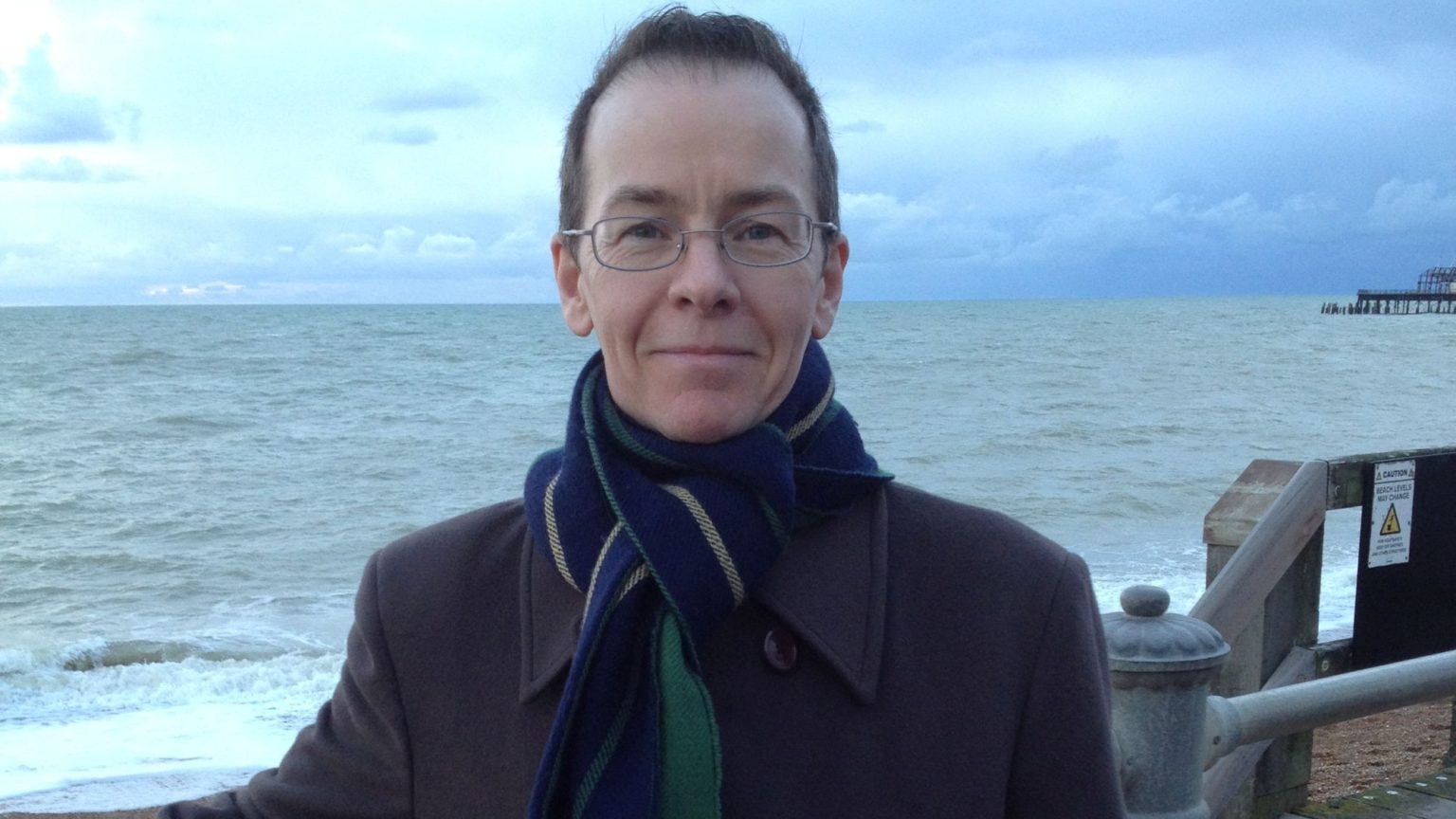
James Caspian, a British registered psychotherapist who spent ten years counselling patients undergoing medical gender transition and served as a trustee of the Beaumont Trust for seventeen years, discusses his legal battle against Bath Spa University after his research into gender detransition was blocked. Caspian explains how he initially enrolled for an MA to study individuals seeking reverse gender reassignment surgery following observations from a Belgrade surgeon, but later sought to include young women who detransitioned after undergoing double mastectomies. The conversation critically examines the ethical and institutional barriers within academia, noting how the university’s ethics committee rejected the proposal under the pretext that investigating politically incorrect material could incur criticism and harm the institution’s reputation. Caspian highlights that this suppression of inquiry reflects a broader societal shift where critical research is obstructed and institutional policies are heavily influenced by activist narratives. Furthermore, the dialogue explores the historical context of the Equality Act and the Gender Recognition Act, examining how well-meaning laws intended to protect vulnerable minorities evolved into rigid dogmas that conflate biological sex with gender identity and suppress open scientific debate. Finally, Caspian reflects on the profound complexity of gender dysphoria, the vital need for independent, long-term empirical research into detransition, and the importance of safeguarding freedom of speech against institutional overreach.