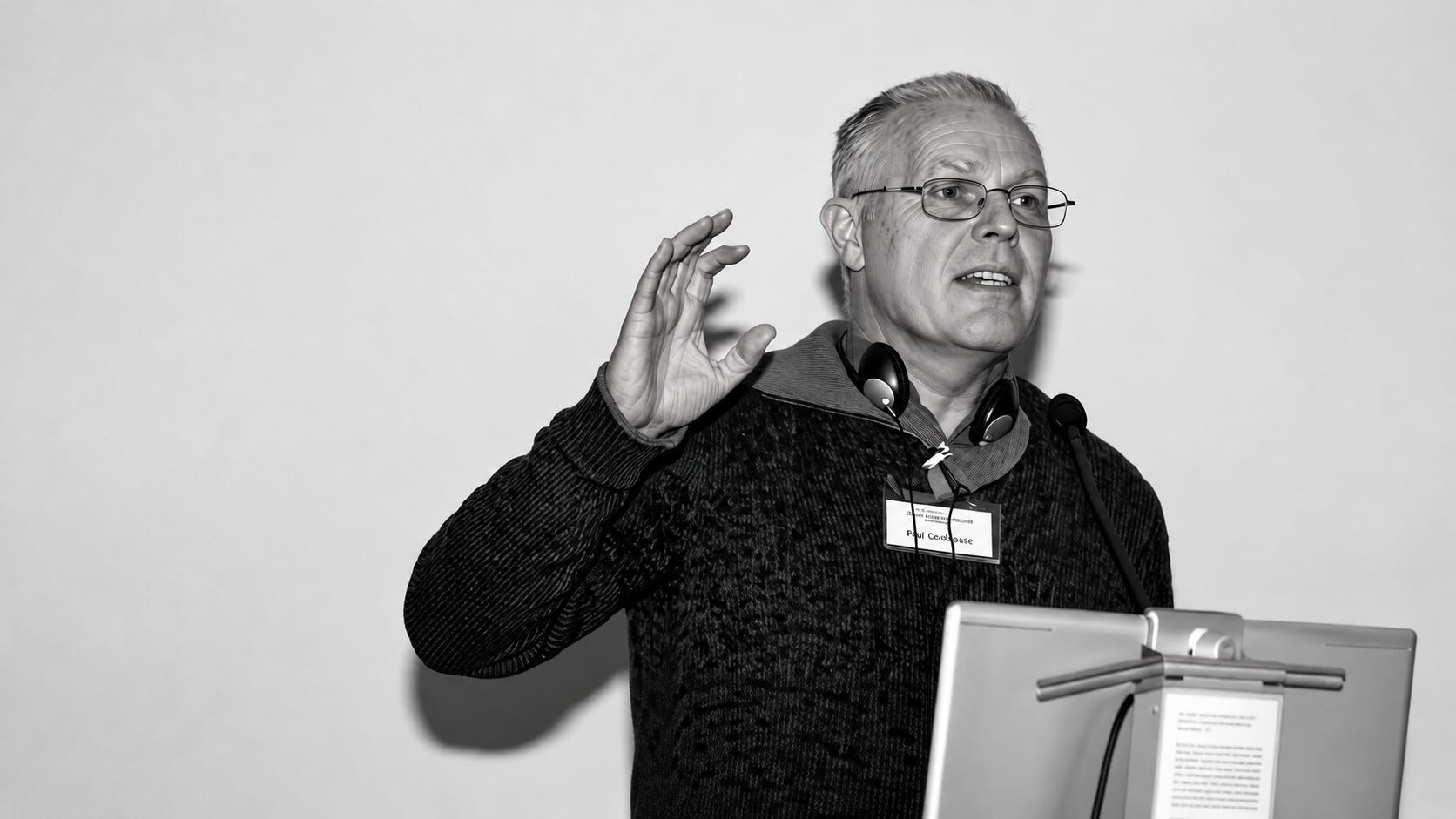
Paul Cockshott, author of How The World Works (2019), discusses the intersection of the COVID-19 pandemic, historical economic models, and systemic class inequality. Cockshott discusses the intersection of the COVID-19 pandemic, historical economic models, and systemic class inequality. Cockshott breaks down the transition from pre-class, egalitarian hunter-gatherer societies to structured class economies driven by agriculture, population density, and land scarcity. The discussion examines how historic mechanisms of control like slavery, serfdom, and feudal tenure evolved into modern landlordism and leasehold systems designed to extract wealth and maintain the power of property-owning classes. Furthermore, Cockshott analyses how post-war capital accumulation shifted toward cheap manufacturing centres in Asia, weakening labour bargaining power and polarising wealth into low-wage service jobs. The conversation explores the takeover of traditional left-wing parties by the professional managerial class, the rise of identity politics, and why sectors like finance and prostitution remain fundamentally unproductive. Finally, Cockshott proposes systemic reforms—such as outlawing wage slavery, ending private landownership, and cancelling debt—as necessary steps toward achieving true collective equity.