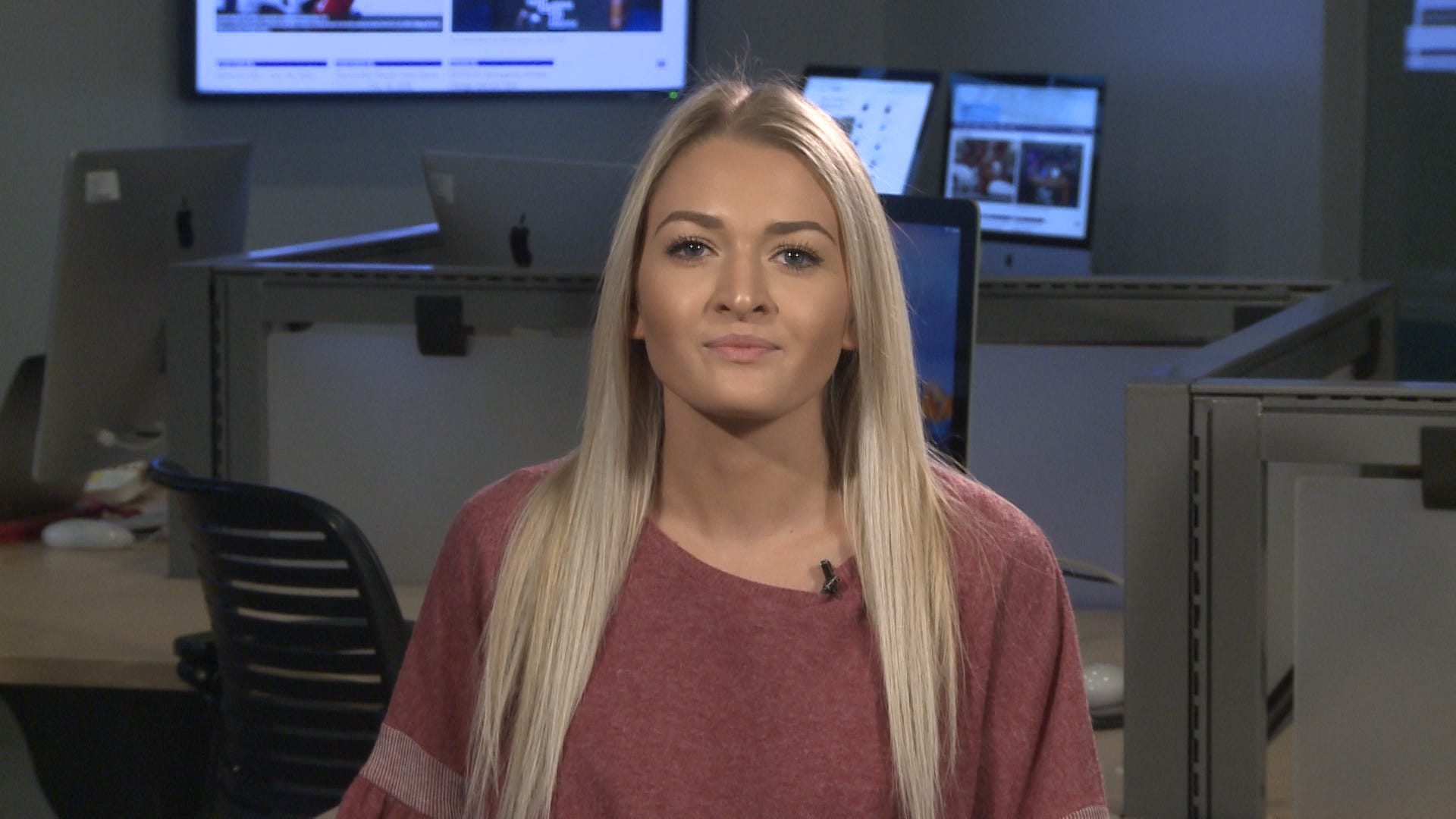
Taylor Hudak, a journalist and editor with Activism Munich, examines the prosecution of Julian Assange and the broader failure of mainstream media to defend press freedom. She argues that corporate newsrooms long refused to treat Assange as a journalist, instead amplifying smear campaigns and treating WikiLeaks as illegitimate, which delayed serious coverage of his case. Hudak traces how the formal Espionage Act charges finally prompted some establishment outlets to express concern, even as independent reporters had been documenting the human-rights abuses for years. She highlights the real-world impact of WikiLeaks publications—on Guantánamo litigation, public understanding of the Iraq War, and exposure of state criminality—and notes the UN Special Rapporteur on Torture’s conclusion that Assange exhibited clear signs of psychological torture. Extending the analysis, Hudak criticises the uncritical recycling of intelligence-community narratives, the rise of algorithmic favouritism toward corporate outlets, and the culture of self-censorship inside newsrooms. She contends that meaningful accountability requires independent platforms and a rejection of left-right tribalism in favour of consistent scrutiny of power.