Episode Summary
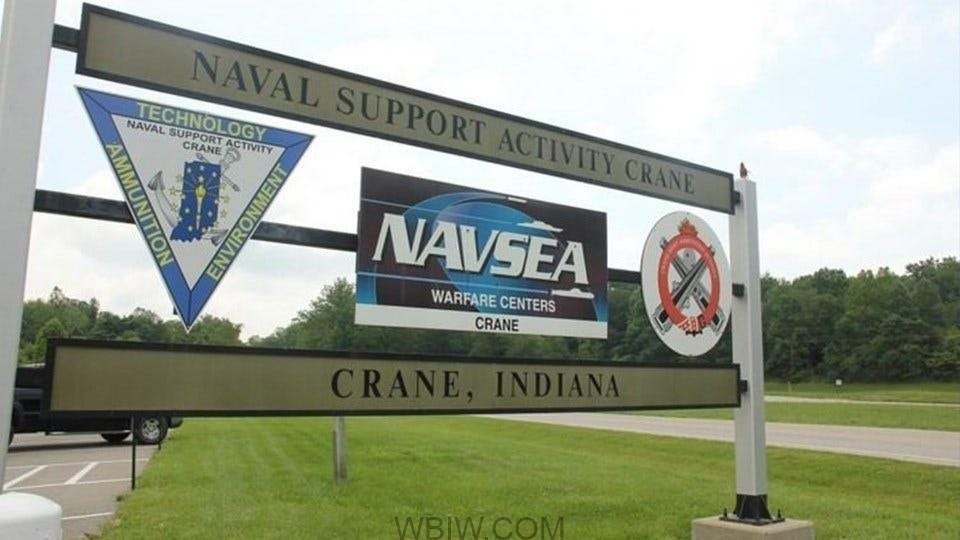
What happens when raising an alarm makes you the target? In this episode, I examine the human, legal, and professional costs of federal whistleblowing through the accounts of three individuals connected to Crane Naval Support Activity and Crane Army Ammunition Activity in southern Indiana: Rick Ward, Glenanne Johnson, and Eve Baker Sparks.
From workplace safety hazards and national security vulnerabilities to allegations of sexual misconduct, these cases illustrate a troubling institutional pattern: identify wrongdoing through official channels, only to face isolation, administrative retaliation, cleared-out careers, and personal fallout. I break down the legal frameworks, the gaps in protection, and why institutional self-preservation so often takes priority over correcting the underlying danger.
Key Topics & Timeline Highlights
* - Cold Open
* The core contradiction of federal whistleblowing: What is protection worth if the system punishes the messenger after validating the message?
* Introduction to Rick Ward, Glenanne Johnson, and Eve Baker Sparks.
* - What is a Whistleblower & The Federal Gap
* Defining the role: Proximity, access, and the necessity of internal disclosures.
* Overview of the Whistleblower Protection Act (WPA) and Whistleblower Protection Enhancement Act (WPEA).
* The administrative obstacle course: Navigating the U.S. Office of Special Counsel (OSC) and the Merit Systems Protection Board (MSPB).
* - Case Study 1: Rick Ward (Workplace & Industrial Safety)
* Process safety management and environmental compliance at Crane Army Ammunition Activity.
* OSC finding of “substantial likelihood of wrongdoing” leading to an Army investigation that substantiated core allegations.
* The retaliatory aftermath: Career collapse, law enforcement intimidation, and personal strain.
* - Case Study 2: Glenanne Johnson (Defense Engineering & National Security)
* Program protection, safety hazards, and foreign compromise concerns.
* How national security mechanisms (clearance revocations, medical reviews, gag orders) can be weaponized against technical experts.
* The human toll: Compelled medical retirement, physical health deterioration, and financial loss.
* - Case Study 3: Eve Baker Sparks (Sexual Misconduct & Institutional Breaches)
* Reporting sexual harassment and assault at the Ammunition Burning Ground.
* Leaked confidential complaints, workplace isolation, and the impact of legal summary judgment vs. institutional reality.
* The broader cost: Health decline, trauma, and the breakdown of personal life.
* - Navigating the System & Structural Realities
* Differential protections: Federal workers, private sector (OSHA timelines), federal contractors (41 U.S.C. § 4712), and intelligence community personnel.
* The role of public-interest advocacy groups, including the Government Accountability Project (GAP).
* Legislative reforms: The Whistleblower Protection Improvement Act, court access, and protections against retaliatory investigations.
* - Practical Advice & Closing Thoughts
* Guidance for potential whistleblowers: Documentation, understanding statutory deadlines, and finding legal representation.
* The societal impact of silence vs. the price of speaking out.
Featured Cases Overview
Resources & Legal Frameworks Mentioned
* Government Accountability Project (GAP): Public-interest legal organization supporting whistleblowers and policy reform.
* U.S. Office of Special Counsel (OSC): Independent federal agency handling disclosures and prohibited personnel practice complaints.
* Merit Systems Protection Board (MSPB): Quasi-judicial agency safeguarding civil service merit systems.
* Statutory Frameworks: Whistleblower Protection Act, 41 U.S.C. § 4712 (Contractor Protections), proposed Whistleblower Protection Improvement Act.