For International Women's Day I sat down with Kit Chaskin and Lauren Golanty from Third to First for a conversation on the Inclusionism podcast about a novel insurance solution to an work place conflict problem that we have quietly lived with for decades: learn how we disincentivize workplace conflict.
At first the discussion sounded like a conversation about HR systems. But the more we talked, the clearer it became that the real issue is much deeper than HR.
It is about how the insurance system itself is structured.
And once you see the structure, it becomes obvious why so many workplace problems end up costing companies hundreds of thousands—or even millions—of dollars.
Because the system is built to respond after the damage is done.
Most workplace lawsuits do not begin dramatically. They begin with moments that seem small at the time. An employee raises a concern. A manager brushes it aside. HR logs the complaint but decides the issue does not require escalation.
Weeks pass. Sometimes months.
Then a lawyer’s letter arrives.
By the time that happens, the problem has already become expensive.
To understand why, it helps to understand one of the most basic concepts in insurance: the difference between first parties, second parties, and third parties.
In any insurance policy, the first party is the one who buys the coverage. In Employment Practices Liability Insurance—often called EPLI—that first party is the employer.
The second party is the insurance company providing the coverage.
The third party is someone who claims they were harmed. In workplace liability cases, that third party is typically an employee alleging discrimination, harassment, retaliation, or wrongful termination.
EPLI is designed as third-party liability insurance. That means the policy activates only when the third party—the employee—files a legal claim against the first party—the employer.
In other words, the insurance system only turns on once the workplace conflict becomes a legal dispute.
Which is precisely the moment when the problem has become the most expensive.
Most executives think employment lawsuits are rare events. But insurers know something different. Across large workforces, employment complaints are statistically predictable.
Insurance underwriters often estimate that roughly half a percent to one percent of employees will file some form of workplace complaint each year. It sounds like a small number until you apply it to a real company.
A firm with 1,000 employees can expect somewhere around five to ten complaints annually. A company with 5,000 employees might see twenty-five to fifty complaints each year. For organizations employing 10,000 people or more, the number can exceed fifty or even a hundred workplace complaints in a single year.
Most of those issues never become lawsuits. Many are resolved internally, and some move through regulatory channels like the EEOC, which receives roughly 70,000 employment discrimination charges every year in the United States. That was before Trump destroyed the agency.
But a small percentage escalate.
And when they do, the cost curve changes dramatically.
Legal defense costs alone often exceed $200,000, even when the company ultimately wins the case. Settlements frequently average between $75,000 and $125,000, while jury verdicts can climb into the $500,000 to $1 million range.
Large verdicts—sometimes called “nuclear verdicts”—can exceed $5 million, and occasionally much more.
Once you factor in turnover, leadership distraction, lost productivity, and reputational damage, the real cost of a serious workplace dispute often lands somewhere between one and two million dollars.
The strange part is that many of those cases begin with problems that could have been addressed much earlier—and much more cheaply.
This is where the idea behind Third to First becomes interesting.
When Kit and Lauren described their approach, they framed it as a simple shift in perspective. Instead of waiting for employees to become third-party legal claimants, organizations should treat workplace conflict as a first-party operational risk.
That may sound like subtle insurance language, but the financial difference is enormous.
If a workplace issue is addressed early—through mediation, investigation, or corrective action—the cost might fall somewhere between $10,000 and $50,000, depending on the size of the organization and the complexity of the situation.
If that same issue escalates into litigation, the cost can quickly reach $300,000 to $1 million or more.
Preventing even one lawsuit can save hundreds of thousands of dollars. Preventing several per year can save millions.
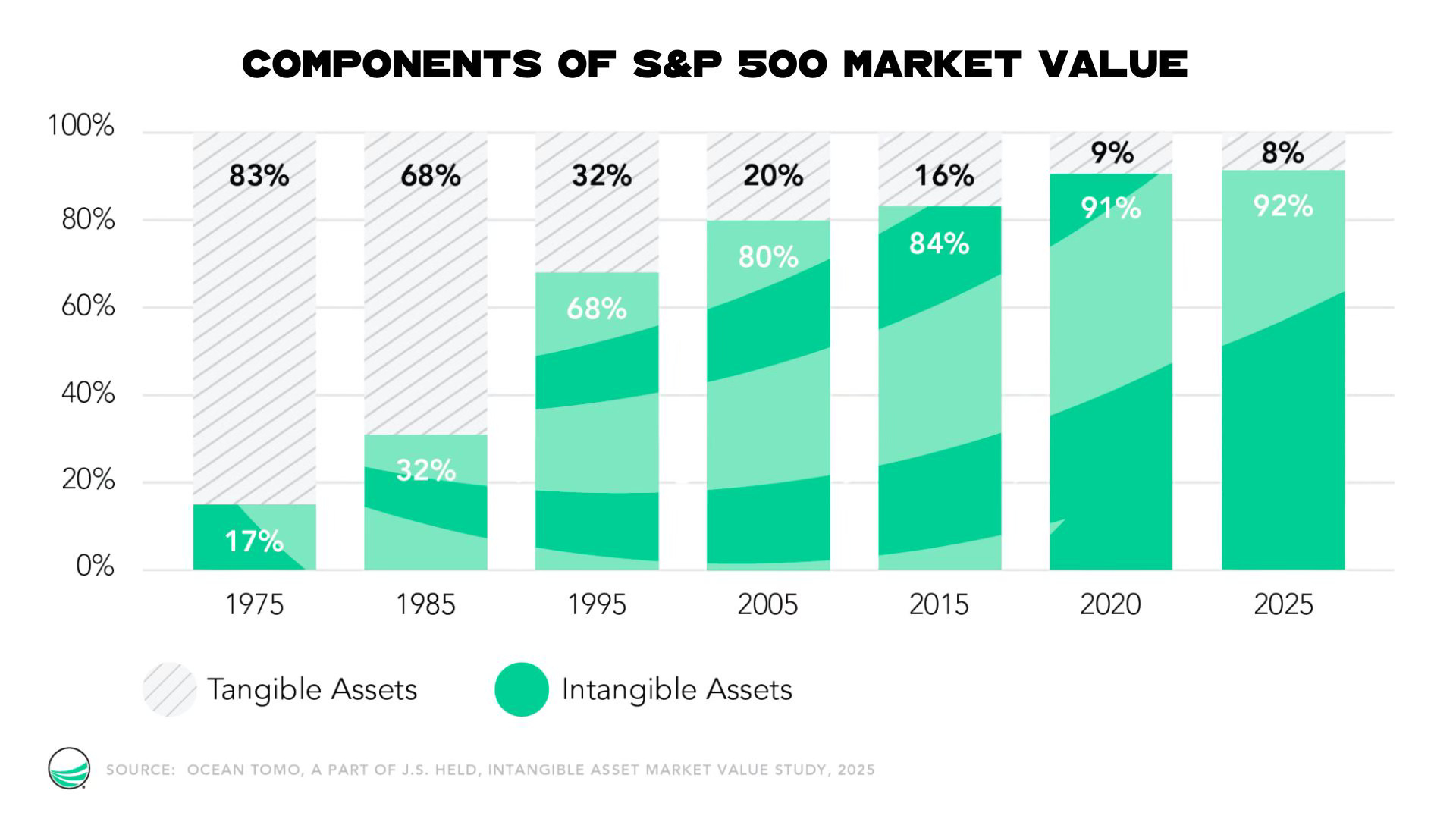
The deeper reason this matters today is that companies themselves have changed. Fifty years ago, most corporate value came from physical assets: factories, equipment, inventory.
Today, more than ninety percent of the value of companies in the S&P 500 comes from intangible assets—human capital, intellectual property, brand trust, and organizational culture. See my previous article on the 90% valuation of people.
When workplace systems fail, companies do not just face legal exposure. They damage the very assets that create long-term value.
For decades the insurance industry has quietly paid for the consequences of workplace failures. Employment Practices Liability Insurance exists because organizations sometimes fail to manage people risk effectively.
But what the conversation with Kit and Lauren made clear is that the real opportunity may not lie in paying those claims.
It may lie in preventing them.
If workplace conflicts can be addressed before employees become legal adversaries, insurance stops functioning purely as a financial backstop. It becomes part of a system that encourages organizations to fix problems before they turn into million-dollar disputes.
And once you see the math behind workplace risk, the logic becomes hard to ignore.
Most million-dollar lawsuits begin as ten-thousand-dollar problems.
The real question is whether companies choose to solve them early—or wait until the insurance policy activates.