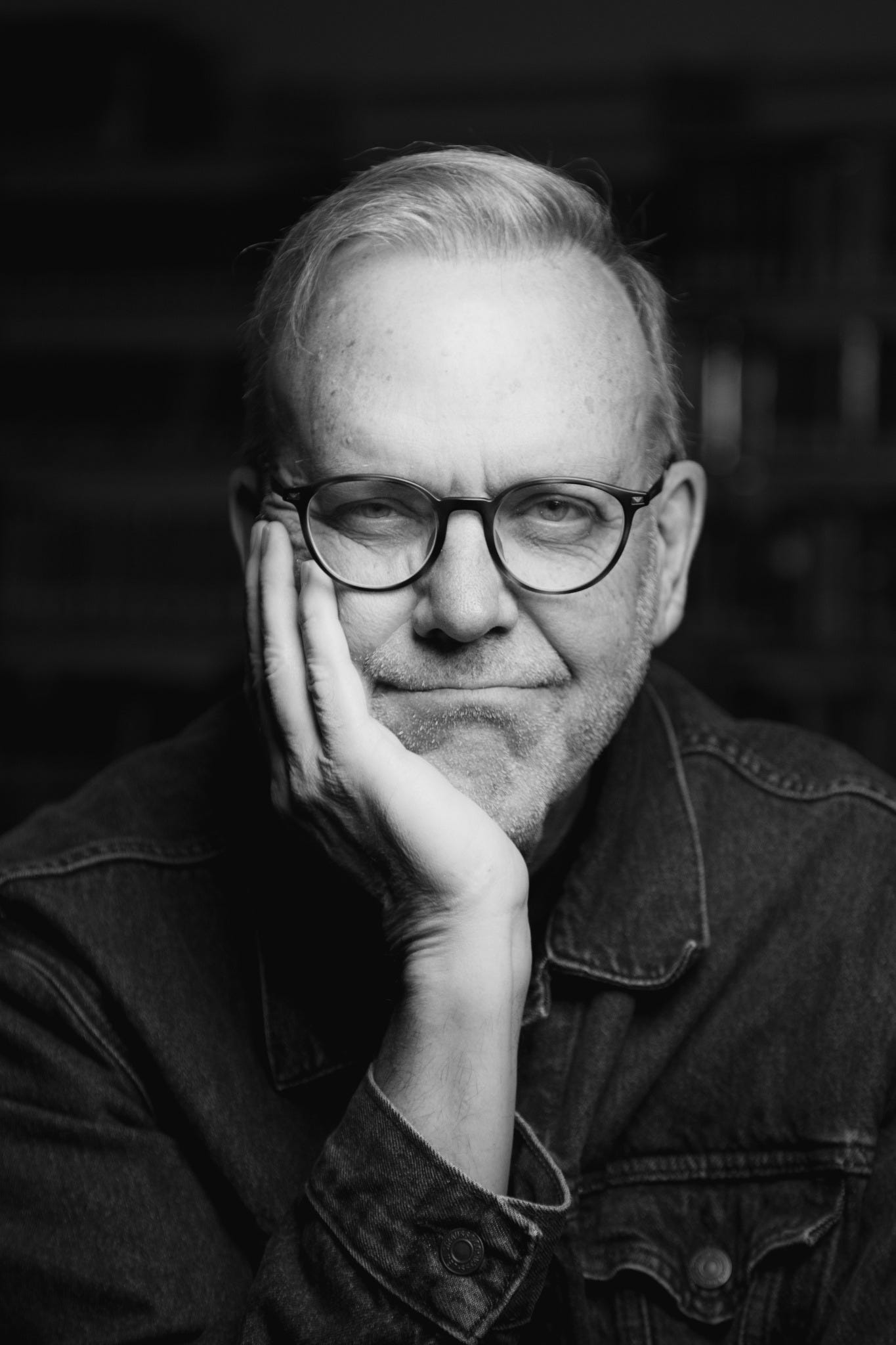
For Context: Dr. David Fitch
Episode # 01
🎙️ Episode Overview
In this inaugural episode of For Context, Luke and Gino interview David Fitch. Fitch is the founder and director of the Doctorate in Ministry in Contextual Theology program at Northern Seminary. On this episode, they discuss a bit of the program’s origin story as well as why and how contextual theology works as a discipline. Give it a listen!
For Context is sponsored by Northern Seminary. To learn more about the Contextual Theology program (or any of the number MA, M.Div, and D.Min offerings), visit seminary.edu.
📚 Resources
* David Fitch: Fitch’s Provocations
* Gino Curcuruto: Following Jesus Into the Ordinary
* Luke Stehr: Faith In Situ
🤝 Join the For Context Community
If you enjoyed this deep dive, consider becoming a paid subscriber to help us keep providing the context behind the news.
* Subscribe to the Newsletter: forcontextpod.substack.com
Leave a Review: Apple Podcasts | Spotify
Episode Transcript
Gino Curcuruto:
I’m Gino Curcuruto
Luke Stehr:
And I’m Luke Stehr
Gino Curcuruto:
And you’re listening to For Context
Luke Stehr:
A podcast about Northern Seminary’s Doctorate of Ministry in Contextual Theology. So today on For Context we have Dr. David Fitch, who heads up the Contextual Theology program at Northern. He’s a ton of fun, we hope you enjoy the episode. Gino, do you want to say anything more to introduce Fitch?
Gino Curcuruto:
Well I think it’s good we were able to start this podcast with an interview with Fitch, so he can kind of give us a history of the program, what the intent back in the day was, and where it’s heading in the future.
Luke Stehr:
So it’s a great episode, we had a ton of making it, and we hope you enjoy it, and it’s enough that you wanna stick around. It’s our first For Context ever, and we hope it is enough you wanna keep sticking around. If you’re on Substack, go ahead and hit that “Subscribe” button that way you can make sure you know when new episodes release.
Gino Curcuruto:
For our first episode of For Context, we are happy and pleased to have as our guest Dr. David Fitch. We are, both Luke and I are both as those who have listened to our intro, know that we’re students in the Contextual Theology D.Min. program at Northern Seminary, of which Fitch is the director, the founder, the chief instigator, and all of those other things that people will call him. So we wanted to get him on the podcast from the beginning and ask him a little bit about the history of this, where the idea for this program started. What was the inspiration, why the need you go ahead and riff on those ideas for us please.
David Fitch:
First of all, I’m honored to be on the first podcast of this podcast.
Luke Stehr:
It’s an honor.
David Fitch:
I’m feeling very, very honored. But you guys need to work on your radio vibe. We call it in the business, we call it the radio vibe. Gotta have a vibe.
Luke Stehr:
We did almost call this “Fitch’s Old Time Radio Show.”
Gino Curcuruto:
Yeah, we were thinking about that as the name, “The Old Time Fitch Radio Show.”
David Fitch:
Definitely by choice on name don’t go that direction. It’s going to,
Luke Stehr:
It would’ve been a tribute to someone we’ll keep nameless.
David Fitch:
You’re going to go from, we now have three listeners, all three of us being ourselves, and we’re going to go down to two if you do that.
Luke Stehr:
We are,
David Fitch:
We just, ladies and gentlemen, it’s just great to be on this podcast. What’s it called again, Luke?
Luke Stehr:
For Context.
David Fitch:
I dunno.
Luke Stehr:
He’s not sure about this.
Gino Curcuruto:
Wow. Wow. We didn’t know we were doing critique. We thought we just going to get a little bit of a,
David Fitch:
Can I just give you two words? Radio vibe. You got to have a radio. I know. It’s a podcast. Radio vibe. Alright, this is amazing ladies, gentlemen, great to be on For Context here, live in whatever studio this is. I have no idea where we are. And let’s get going with the show. Yeah, do Luke, let’s get going with the show. I know you have some questions.
Gino Curcuruto:
Yeah,
David Fitch:
Tell us Luke, by the way, Luke actually sent me the questions. I did not have time to actually read the questions.
Luke Stehr:
You don’t need them. You don’t need them. We’re off the cuff. It’s even better.
David Fitch:
It’s even better.
Luke Stehr:
So live radio feeling that you just so desperately crave.
David Fitch:
Yes.
Luke Stehr:
So this program started several years ago. What was the inspiration for starting a contextual theology program? And maybe there are some people out there, like the many people I talk to week in and week out who go, what the heck is contextual theology? So what’s the inspiration for it? And maybe define some terms in there.
David Fitch:
There’s a little bit of history here. We started, started by calling it, I don’t know, D.Min. in missional theology or missional, I can’t remember. And then the name didn’t thoroughly capture what we were trying to do. We were trying to give pastors a theological frame to engage the cultures that they’re surrounded in for the gospel. And the missional thing kind of got lost in a bunch of the whole missional movement. This is like 20 years ago when I was Gino’s age 20 years ago actually. I would be possibly slightly younger than you. But anyways, all that to say, all that to say that, yeah, there are issues all around us in the culture that we operate. Pastors, churches, theologians operate out of a mindset of a Christendom, the mindset we’re in charge. We get to tell people where they’re wrong. We get to go out and give them the gospel on our terms.
And all of this is no longer functioning well in the places it still functions in maybe Southern Baptist worlds and where Luke lives. But that was a beneath, that was a little surprising turn there. But doesn’t,
Luke Stehr:
Not a Southern Baptist, just for the record,
David Fitch:
but doesn’t work in places where Christendom and Christianity and the culture have split. And so we wanted to give people tools, understandings, ways of thinking, how to engage a local culture for the gospel. And there are issues out there. There’s racism, there’s sexuality, gender, there’s economics, there’s politics. It’s all become very divisive. How do we engage it for the gospel? We believe God’s at work in these spaces to bring not only healing transformation to these spaces, but bring people to himself in Jesus Christ as Lord. So that’s my opening salvo, the D.Min. in Contextual Theology. But for you two guys who are still in the middle of your program, what do you think, I mean, where is the touch point that is of importance for you in this program? Give me a touch point.
Gino Curcuruto:
Yeah, well, you mentioned it there of what does it look like to take the gospel into the many cultures that we live around among. And oftentimes one of the things that attracted me to this program is oftentimes we give lip service to that and we try to contextualize the gospel without learning the context in which we live. So the heavy emphasis on knowing the cultures on learning and reading broadly and studying these concepts is really helpful. That I’m not just giving lip service to this idea, but actually engaging my neighbors and understanding things. Sometimes actually understanding why they live the way they do more clearly than they do.
Luke Stehr:
And I think for me, I had a pretty good robust foundation coming out of my master’s studying missiology, culture, all these things. And so I was already very used to thinking kind of along those terms, particularly from a more world Christianity perspective, but increasingly found myself in more secularized spaces and western contexts and wanted to go more specifica…