The Official Substack Of Brandon Richey is a reader-supported publication. To receive new posts and support my work, consider becoming a free or paid subscriber.
“The worst sound in our business is silence. That means they don't care.”
–Vince McMahon
Over the past week I took the time to watch the Netflix limited series Mr. McMahon. Now I must confess that professional wrestling, or more specifically wrestling entertainment, was a huge part of my childhood growing up.
In the early years of my childhood it wasn’t unusual for me to be visiting a friend for a sleepover, or to have a friend visiting me, only to wake up on Saturday mornings to click on the TV to watch Pro Wrestling, or as they used to say here in the South…Wrassling.
Being a GenXer looking back now I’m convinced that the era of Pro Wrestling served to be a real cultural spearhead that engaged the kids of my generation in a way that not many other forms of entertainment could manage to do.
Why do I say this?
I say this because the thing that made Pro Wrestling so effective was the storylines. I mean aside from the amazing athleticism and competition that was involved with the sport, it was the development of the characters, the connection those characters had with their audience, and the stories that they told that captivated the audiences which consisted of kids like myself, my brother, and most all of my friends.
Within those storylines my generation got to witness many superstars in Pro Wrestling that appealed to the age old narrative of the good guy versus the bad guy with guys such as Hulk Hogan and Ric Flair that became these larger than life figures that made the entertainment from the sport of Pro Wrestling most impactful.
Now if you’re in any way familiar with this then you know exactly what I’m talking about. However, it’s also a known fact that as my generation got older the sport of Pro Wrestling also changed in order to appeal to different age demographics and as a result there were times when those storylines were both entertaining and controversial.
It’s safe to say that there were times when the storylines were no longer aimed towards appealing to the same age demographic of kids, but rather aimed to appeal to teenage and college aged men as the sport progressed through its storylines from the 1980s and into the late 1990s.
Now I want to be clear about something here because I don’t want this message to get lost in my analysis of why I am choosing to discuss this sport in this episode, or the controversial personalities involved in it, especially concerning Vince McMahon himself.
I am aware that Vince McMahon is a controversial figure and currently had to step away from the sport due to certain sexual allegations coming from people that are supposedly attached to the sport. I’m not here to pass judgment on Vince, or to act like I know what it is exactly that he did or didn’t do in terms of any potential crime that may, or may have not been committed.
However, I will credit Vince McMahon for having at one time created one of the greatest forms of entertainment that I’ve ever experienced as a kid growing up in the 1980s and I’m sure there’s a lot of you in my audience that would agree.
On that note, there’s another more significant reason I chose to watch this Netflix special to begin with. I was recently doing some thinking and for some strange reason there were some things that I had remembered seeing in Pro Wrestling that I felt drew some stark parallels between that sport and all the craziness we’re currently seeing in the world right now.
Blurring The Lines of Reality
Out of respect for you just in case you do have an interest in seeing the Mr. McMahon limited series I don’t want to give away too much as I really just want to take the opportunity here in this episode to focus on how the entertainment side of the WWE, as well as their competitor in WCW (founded by Ted Turner), were able to utilize narratives in their storylines to captivate their audiences.
Now when I discuss these storylines I’m more specifically referring to that era in the late 1990s when the storylines were geared more towards an older audience of young men. Granted it was during this time when there was a lot of controversy involved in these storylines and this was an era that I would say would not have been a good time for younger kids to watch the sport because of this very reason.
The new Mr. McMahon series touches on all of this and I would say that there were a lot of things that the sport covered that wouldn’t be considered family friendly, or perhaps too tasteful at times. However, it’s not necessarily my judgment of the details, or the nature of the content of the stories that I want to make the central focus here, but rather I am more interested in sharing with you how Vince McMahon managed to take the controversy in real life and leverage it for his own benefit.
So how did Vince McMahon, or Mr. McMahon manage to do this?
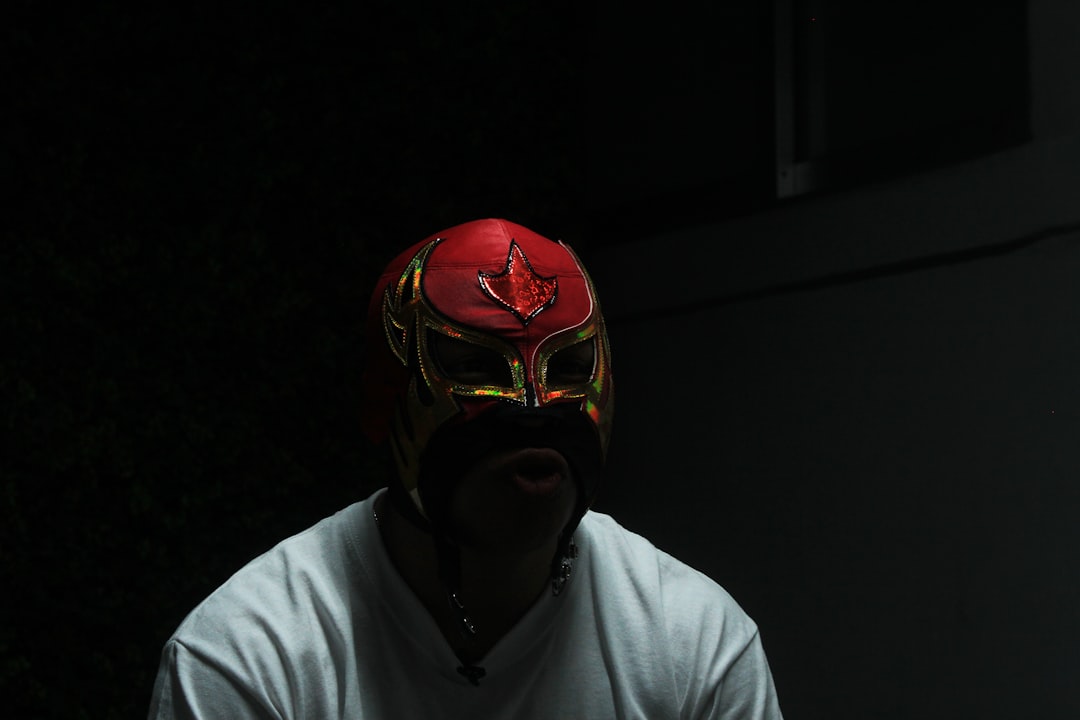
He did this through a unique practice involving the concept known in the industry as the kayfabe. The kayfabe involves the portrayal of staged events within the industry as being “real” or “true.” This particularly involves the way in which certain relationships involving rivalries, competitors, and different participants are portrayed within certain storylines that even crossover into the real world. Because of this the kayfabe is a highly effective technique that can absolutely be used to blur the lines between fiction and reality.
To give you an example of this, according to the Mr. McMahon series one of the iconic wrestlers known as the Undertaker was talking about how the kayfabe would work within the industry among all the wrestlers.
In the Undertaker’s explanation the kayfabe was traditionally about staying in the role of the character and never intermingling with guys that were his competitors whenever they would be out in public. Granted, Mark Calaway (aka The Undertaker) was a long time major superstar in the industry and because he was more a part of that traditional old guard of the business he communicated how serious he took honoring the kayfabe in order to protect the brand of the wrestling entertainment business.
In a segment in the series Mark talked about how even though he may at times have been seen out in public outside of the venue of the wrestling ring alongside a character rival that he would always still give his opposition a disapproving stare, or even go so far as to engage in some unfriendly dialogue with his opponent out in public. He explained how he, along with everyone else, would do this on a consistent basis to maintain a level of doubt in the minds of the public whenever fans would encounter himself, or any of the other superstars outside of the squared circle.
This doubt I’m referring to here involves how the superstars such as Mark and many others would shape and maintain influence on the perception of the public as they may presume and possess preconceived notions regarding the feuds among the wrestling superstars as all being staged.
However, by Mark and the other superstars maintaining and staying in their respective character roles and acting some of that out in public it would cast a shadow of doubt in order to maintain the mystery and suggest that the rivalry between certain wrestling superstars was actually genuine.
What made this so fascinating to me was how Vince McMahon managed to utilize the kayfabe whenever he was right in the middle of some major controversy in real life. One example that I can recall involved the very popular female WWE superstar Sable (Rena Lesnar) when she sued the WWE back in 1999 for $110 million citing sexual harassment and unsafe working conditions. McMahon and Sable eventually settled this out of court.
Now that may not seem like anything new when it comes to the normal controversial headlines of the entertainment world, however Mr. McMahon would demonstrate …