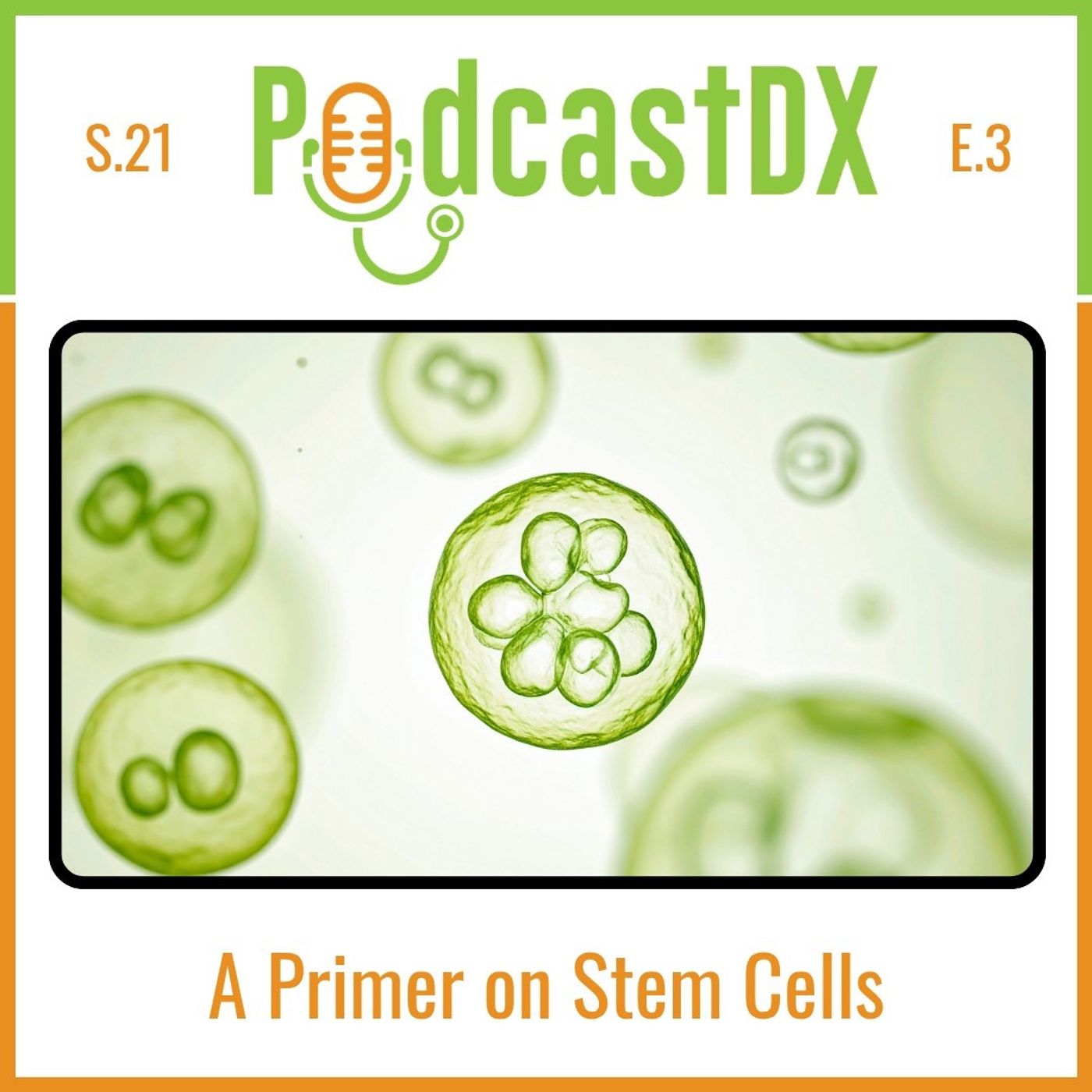
This week we discuss stem cells. Having great therapeutic and biotechnological potential, stem cells are extending the frontier in medicine. Not only replace dysfunctional or damaged cells, the so-called regenerative medicine, stem cells may also offer us new perspectives regarding the nature of aging and cancer. This review will cover some basics of stem cells, their current development, and possible applications in medicine. Meanwhile, important remaining challenges of stem cell research are discussed as well.
Stem cells are unique, unspecialized cells that can divide to create more stem cells (self-renewal) and can transform (differentiate) into various specialized cells, acting as the body's repair system to generate new cells for growth, repair, and maintenance, with different types existing in embryos (pluripotent) and adults (multipotent) and being studied for treating diseases like paralysis, diabetes, and heart disease.
Types of Stem Cells
Embryonic Stem Cells: Pluripotent (can become almost any cell type) and come from early embryos.
Adult Stem Cells (Tissue-Specific): Multipotent (limited to certain cell types within their tissue) and found in adult organs like bone marrow, skin, and the brain.
Induced Pluripotent Stem Cells (iPSCs): Adult cells reprogrammed in the lab to act like embryonic stem cells, offering a path to personalized medicine.
Sources of Stem Cells
Embryos (for research),
Umbilical cord blood,
Bone marrow,
Other adult tissues (like fat or skin).
Medical Significance (Stem Cell Therapy)
Regenerative Medicine: Uses stem cells to repair or replace damaged tissues and organs.
Treatments: Already used to treat blood cancers (like leukemia) through bone marrow transplants.
Research Focus: Investigated for treating conditions such as spinal cord injuries, Parkinson's, Alzheimer's, heart disease, and diabetes.
There is some stem cell controversy, primarily centering on the ethics of using human embryos, particularly embryonic stem cells, which hold vast potential for medicine but require destroying the embryo, raising moral debates about the embryo's status as human life, with opponents seeing it as the destruction of life and proponents viewing it as a moral imperative to cure disease, though adult stem cell research and induced pluripotent stem cells (iPSCs) offer less controversial avenues. We don't discuss this aspect of the therapeutic use but if you are interested you can find out more with a simple internet search.
Stem cell therapy in the US is not banned but restricted. Only FDA-approved products (such as cord blood transplants and CAR-T cell therapies for blood conditions) are fully legal. Other uses are allowed only in limited cases under the 361 HCT/P pathway.