🎉 ONE WEEK LEFT! Registration closes in just 7 days for the 2025 21-Day Signature Weight Loss Program — and this year, it's better than ever. New topics, an entire content library (don’t ask me how long that took 😅), and a deeper focus on sustaining results — because the real fear isn’t losing weight… it’s wondering if it’s all going to come back.
👉 www.21daysignature.com — join us before the doors close!
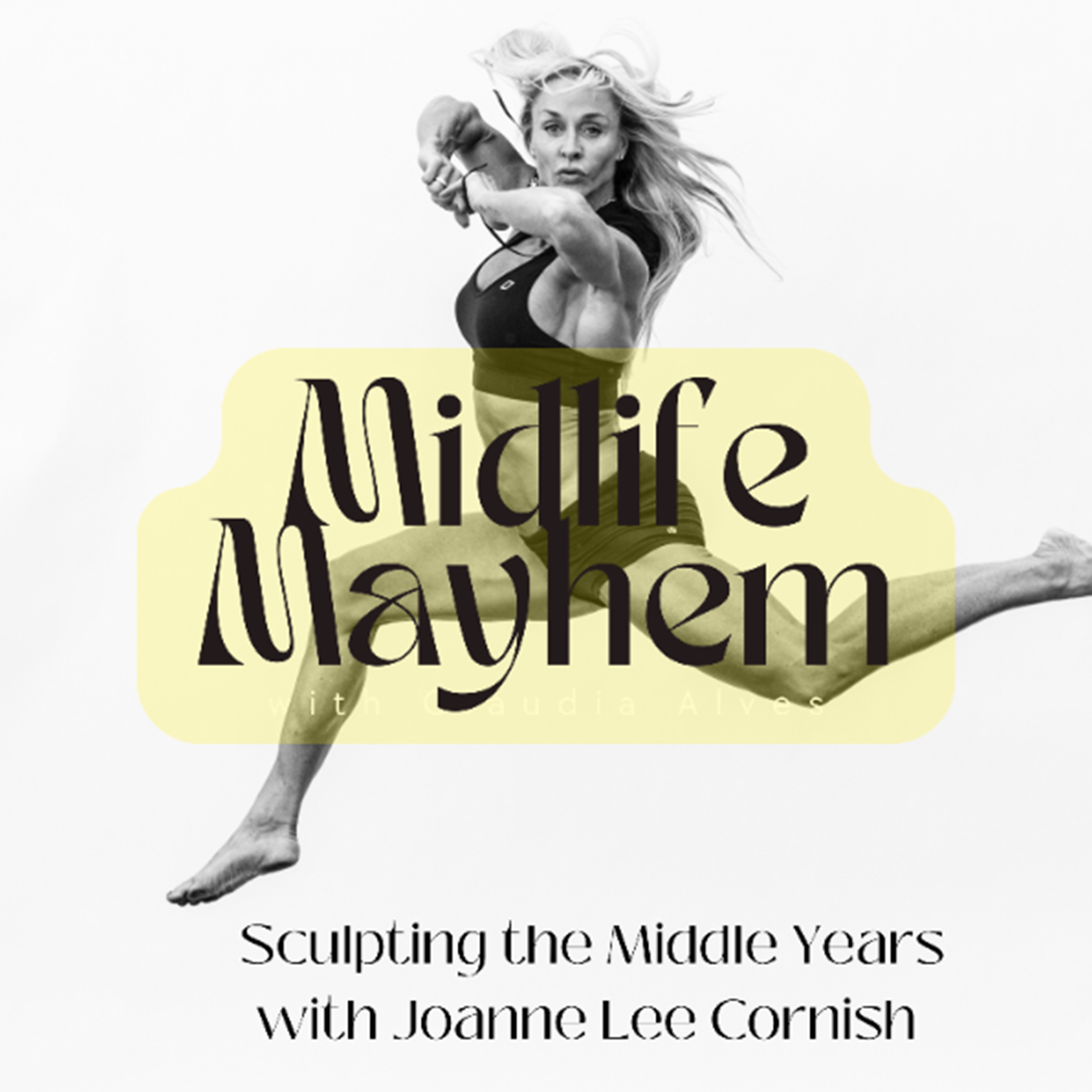
🎙️ Midlife Mayhem Podcast – NEW EPISODE OUT NOW!
💥 "Will Too Much Protein Make You Fat? NOPE. Here’s Why."
Click to listen on your favorite platform: MIDLIFE MAYHEM
🎙️ Midlife Mayhem Podcast – NEW EPISODE
🔬 “Will Too Much Protein Make You Fat? The Science Says No (and Here’s Why)”
🎧 Listen on your favorite platform → www.joanneleecornish.podbean.com
This episode is a deep dive into one of the most persistent myths in fat loss: “If I eat too much protein, won’t it just turn into fat?” Short answer: No. Long answer? Buckle up.
🧱 The Brick Fire Analogy (and Why It Matters)
Protein is not like carbs or fat. It’s not a fuel.
Carbs = Paper: Quick-burning energy.
Fat = Wood: Slower-burning, steady energy.
Protein = Bricks: You don’t light bricks on fire. You build with them.
🧪 Why Lean Protein Doesn’t Become Body Fat
Let’s break down the impossible obstacle course your body would have to run just to store lean protein as fat:
Deamination – Strip off the nitrogen from amino acids
Gluconeogenesis – Convert the remaining carbon skeleton into glucose
Lipogenesis – Turn that glucose into triglycerides
Fat Storage – Shove it into adipose tissue
That’s four major metabolic hurdles—none of which your body wants to do unless it’s in a massively overfed state with full glycogen stores, low energy output, and absolutely nothing else to burn.
🔥 Gluconeogenesis Explained (Finally)
Gluconeogenesis = “creating new glucose” from non-carb sources like amino acids.
This only happens when:
You’re not eating carbs
Liver and muscle glycogen are depleted
You’re in fasting, ketosis, or intense prolonged exercise
Even then? It’s just making enough glucose to keep red blood cells and your brain alive — not store as fat. You’re running on backup fuel, not excess.
💥 Thermic Effect of Protein
Protein has a 20–30% thermic effect, meaning up to 30% of its calories are used just to digest it. Compare that to fat (3%) and carbs (5–10%).
So your 100-calorie chicken breast? Only 70–80 of those calories are actually available to the body.
🍽️ Protein, Appetite, and Hunger Signals
Amino acids from protein stimulate satiety hormones like GLP-1, leptin, and suppress ghrelin.
That “I’m starving at night” feeling? Often due to low daytime protein intake.
One client dropped her protein slightly — boom, evening cravings returned. She brought it back up — hunger disappeared.
📉 Real Story, Real Results
A client "stuck for months" dropped 10 pounds in 5 days in my Peak Week program. No supplements. No starvation. Just food used correctly — and yes, high protein was key.
Her body wasn’t broken. It was just operating in the wrong environment.
🙅♀️ “But I Can’t Eat That Much Protein…”
That’s fine — but don’t expect the body composition or results of someone who does.
This isn’t about what you “like” to eat.
It’s about what your body needs for change.
Want the results? Meet the requirements.
📚 Inside the 21-Day Signature Program
We go deeper into all of this:
How much protein you actually need (based on body comp goals)
Why aging increases your protein requirements
The real science behind hunger and metabolism
Why protein changes everything — from energy to cravings to mood to muscle
🗓️ We begin May 11th. Doors close May 8th.
👉 www.21daysignature.com
💬 Final reminder: Protein isn’t the problem. It’s usually the missing solution.