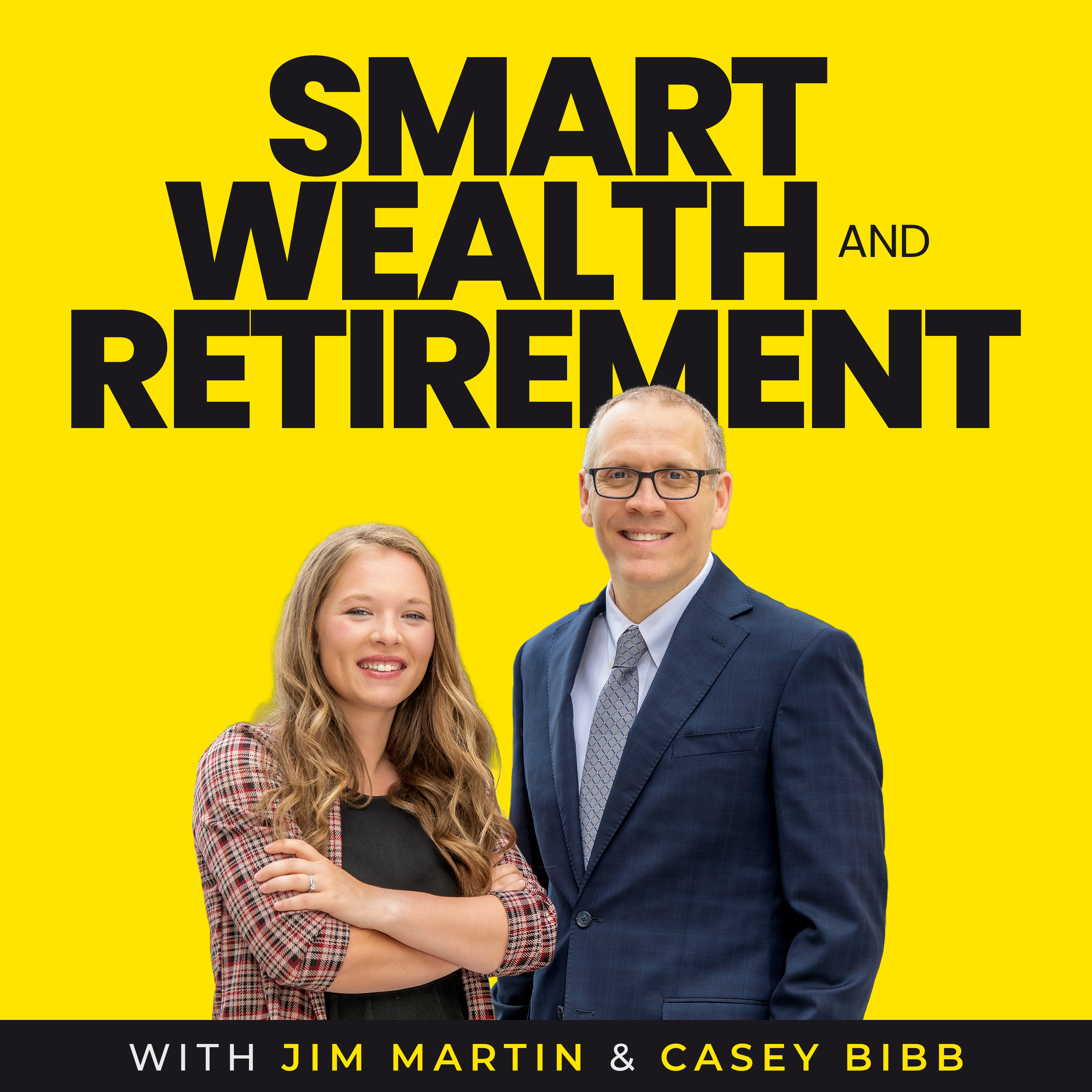
In this episode of the Smart Wealth & Retirement Podcast, financial advisors and retirement planners Jim Martin & Casey Bibb of Martin Wealth Solutions challenge a piece of conventional wisdom many investors follow without question: always max out your 401(k).
Jim and Casey explain that while contributing to a 401(k) is often a smart move, it isn’t always the best move depending on your situation. They walk through scenarios where prioritizing flexibility, tax diversification, liquidity, or alternative investment strategies may make more sense than fully maxing out a retirement account.
This episode helps listeners think more strategically about how their dollars are allocated — and whether blindly following common advice could actually limit long-term financial flexibility.
http://retirewithmartin.com/ ← Learn about working with us
Episode Breakdown
00:00 Introduction to Today’s Topic
01:28 Why “max your 401(k)” is common advice
02:56 When maxing out your 401(k) makes sense
04:30 The downside of over-concentrating in retirement accounts
06:08 Liquidity and access considerations
07:46 Tax diversification and future tax uncertainty
09:20 Balancing pre-tax vs after-tax savings
10:54 Alternative uses of excess savings
12:22 Building flexibility into your financial plan
13:56 Situations where reducing contributions may be beneficial
15:28 Coordinating 401(k) strategy with overall goals
17:02 Key takeaways and practical considerations
Disclaimer
Opinions expressed herein are solely those of Martin Wealth Solutions, unless otherwise specifically cited. Material presented is believed to be from reliable sources, but no representations are made by our firm as to another parties’ informational accuracy or completeness. Content provided herein is for informational purposes only and should not be used or construed as investment advice or a recommendation regarding the purchase or sale of any security. There is no guarantee that any statements, opinions or forecasts provided herein will prove to be correct. All information or ideas provided should be discussed in detail with an advisor, accountant or legal counsel prior to implementation. Past performance may not be indicative of future results. Indices are not available for direct investment. Any investor who attempts to mimic the performance of an index would incur fees and expenses which would reduce returns. Securities investing involves risk, including the potential for loss of principal. There is no assurance that any investment plan or strategy will be successful.