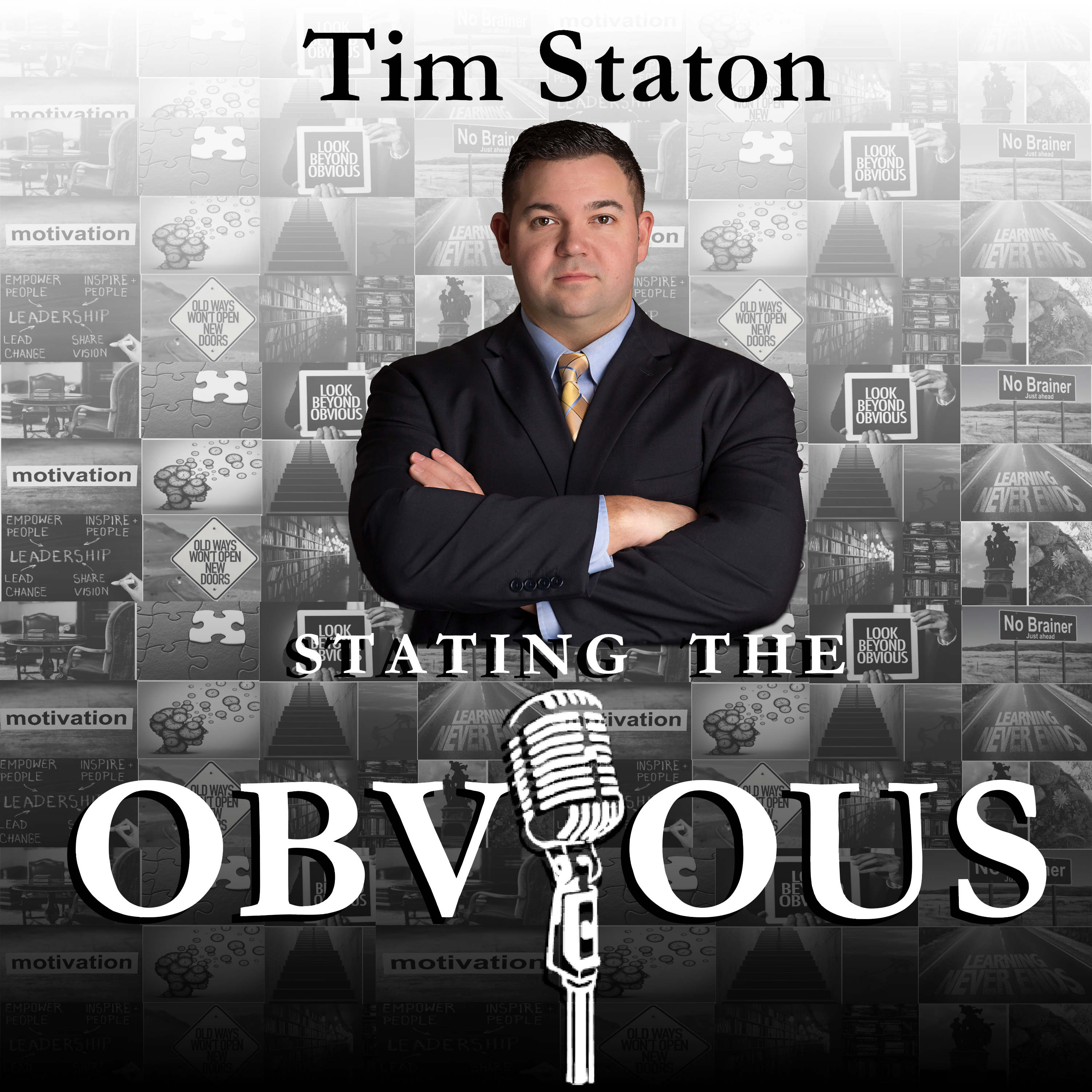
In this episode of , Never Fire Anyone with Mark Morgenfruh, The Essence of Great Leadership and Trust,
I sit down with our Guest Mark Morgenfruh who highlights a trust deficit in business, where employees are often viewed with suspicion despite inherently wanting to succeed, leading to a lack of trust in leadership. He argues that corporate leadership often prioritizes data over people, creating a disconnect. This perspective comes from Mark Morgenfruh’s 33 years in HR. Furthermore, discussions touched upon what are the generational gaps, noting how different generations perceive leadership and career progression.
Mark Morgenfruh’s book, “Never Fire Anybody,” advocates a values-based disciplinary model. It posits that performance issues often stem from employees being overpromoted into unsuitable roles. Instead of firing, leaders should reassign employees to roles where they can excel, retaining valuable institutional knowledge and relationships. Tim Staton notes this mirrors military reassignment practices. This approach helps in understanding the generational gaps meaning by recognizing differing career expectations across age groups.
Implementing this model requires changing mindsets and focusing on individual worth. Instead of rigid PIPs, leaders should have frank discussions about struggles and propose repurposing. This is more cost-effective than replacing employees. Tim Staton raises the issue of generational gaps, where younger employees might expect rapid advancement. Mark Morgenfruh suggests guiding them to “try on” new roles to prove capabilities before promotion, which is key to bridging generational gaps. This approach helps manage generational gaps in the workplace by setting realistic expectations and fostering development. Understanding what are the generational gaps is crucial here.
Mark Morgenfruh argues promotions require demonstrated performance, not just potential vs performance. For executive hires, rigorous vetting, including simulations, is crucial to ensure fit and performance, using a potential vs performance matrix effectively. Difficult conversations should happen early, starting by asking employees about their self-perceived performance. Empathy in leadership is key; leaders should support employees through personal challenges, fostering loyalty and engagement. This showcases why empathy is important in leadership and exemplifies an empathy leadership style. Tim Staton stresses prioritizing people to create a caring environment, highlighting the strong connection between empathy and leadership.
Connect with Mark:
Website: https://gethrready.com/
LinkedIn: https://www.linkedin.com/in/markmorgenfruh/
Book: https://www.neverfireanyone.com/
Connect with Tim:
Website: timstatingtheobvious.com
Facebook: https://www.facebook.com/timstatingtheobvious
YouTube: https://www.youtube.com/channel/UCHfDcITKUdniO8R3RP0lvdw
Instagram: @TimStating
TikTok: @timstatingtheobvious
LinkedIn: https://www.linkedin.com/in/tim-staton-04b41a271/
SKOOL Community: https://www.skool.com/timstatingtheobvious-9537/about?ref=de9c7e65d8ba4eeabc1a8eea413c125b