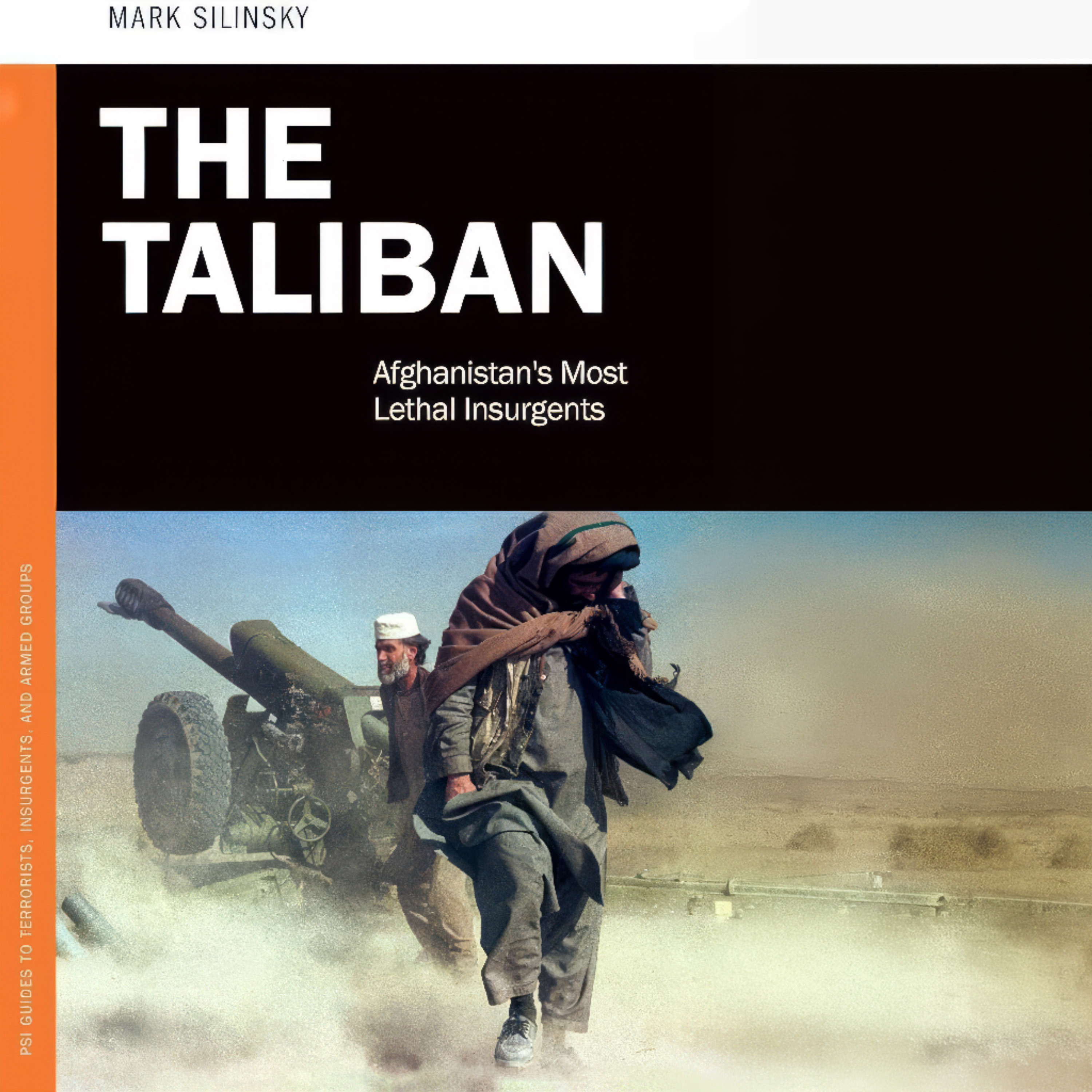
Hello and welcome to a reading from The Taliban – Afghanistan’s Most Lethal Insurgent Group, written by Mark Silinsky and published by Praeger, an imprint of Bloomsbury Publishing in New York, New York. This reading is brought to you by Kensington Security Consulting, where we bring education to national security. The reading examines some of the leaders of the Taliban in 2014.
The Leaders
Mullah Muhammad Omar is the current leader of the Taliban and was profiled in chapter two. He is the Afghan Taliban's supreme leader, believed to be hiding in Pakistan.
Mullah Abdul Ghani Baradar - Generally considered the second-most important leader in the Taliban, Mullah Baradar is an intimate of Mullah Omar and was captured by the ISI. He is of the same clan and sub-clan as Hamid Karzai, a Populzai Durrani Pashtun. He was captured and imprisoned by the ISI. In late September 2013, he was released on the condition that he remain in Pakistan.
Muhammad Hassan Rahmani - A strategist and leader, he was a governor of Kandahar and may be the shadow governor today. Mullah Abdul Qayoum Zakir - A commander of operations for southern Afghanistan. Captured in 2001 and held in Guantanamo until 2007, he was transferred to Kabul and freed in 2008. He is assumed to be active today, organizing attacks against Coalition Forces in the south. Zakir has charisma and experience, and should Mullah Omar be killed, he is a candidate to replace him.
Maulavi Abdul Kabir (captured) - Commander of forces in eastern Afghanistan. Kabir was a member of the Quetta Shura.
Mullah Abdul Razzak - Chief propagandist for the Taliban from 1996 to 2001, Mullah Razzak was arrested by Pakistan in 2003. He was released and rejoined the group, where he serves today as a strategist.
Amir Khan Muttaqi - He currently heads propaganda efforts.
Sayyid Tayyab Agha - The Taliban’s chief diplomat.
Peshawar Regional Military Shura
The Peshawar Shura directs activities in eastern and northeastern Afghanistan. In many places, Peshawar resembles Quetta, with sprawling back alleys, bazaars, haunts, and slums. There is a similar atmosphere of anxiety in Peshawar’s streets because of the summary justice meted out by factions and tribes competing for control and power. The Taliban’s control of Peshawar ebbs and flows. The Taliban have enough control to enforce their puritanical Islamic code. There is a conflict with well-placed residents and old families who will not easily surrender their status or influence to the Taliban, whom they consider uninvited and unwanted guests.
In the Khyber Pakhtunkhwa region, formerly known as the Northwest Frontier Province, Peshawar is the capital. The Taliban have committed 1,962 acts of terror since 2008, killing 6,200 people and injuring more than 9,000 others.
Miramshah Regional Military Shura and the Haqqani Connection
North Waziristan’s Miramshah Regional Military Shura directs activities in southeastern Afghanistan, including the provinces of Paktika, Paktia, Khost, Logar, and Wardak. Jalaluddin Haqqani and his son, Sirajuddin, command an element of the Taliban that has far more independence than any other. The Haqqani Network has been described, incorrectly, as an entirely autonomous terrorist-narcotic gang. The Haqqanis have sworn fealty to Mullah Omar, though this arm of the Taliban has greater license to conduct independent operations. At times, they operate autonomously and in conjunction with other militant groups, including other Taliban elements.
In mid-November 2012, the father-son duo Jalaluddin and Sirajuddin Haqqani indicated that they would participate in peace talks with ISAF negotiators if the Taliban agreed, with Chechens, Kashmiris, Pakistanis, and Afghans living in FATA. Its areas of influence extend from North and South Waziristan to Parachinar and the Kurram agencies, all in Pakistan. From these bases, the Haqqanis conduct attacks in the border areas of Paktika, Khowst, and Paktia provinces. The Haqqanis also had a strong connection to bin Laden.
Gerdi Jangal Regional Military Shura – Based in Baluchistan, this regional military shura focuses exclusively on Helmand Province and, perhaps, Nimroz Province.