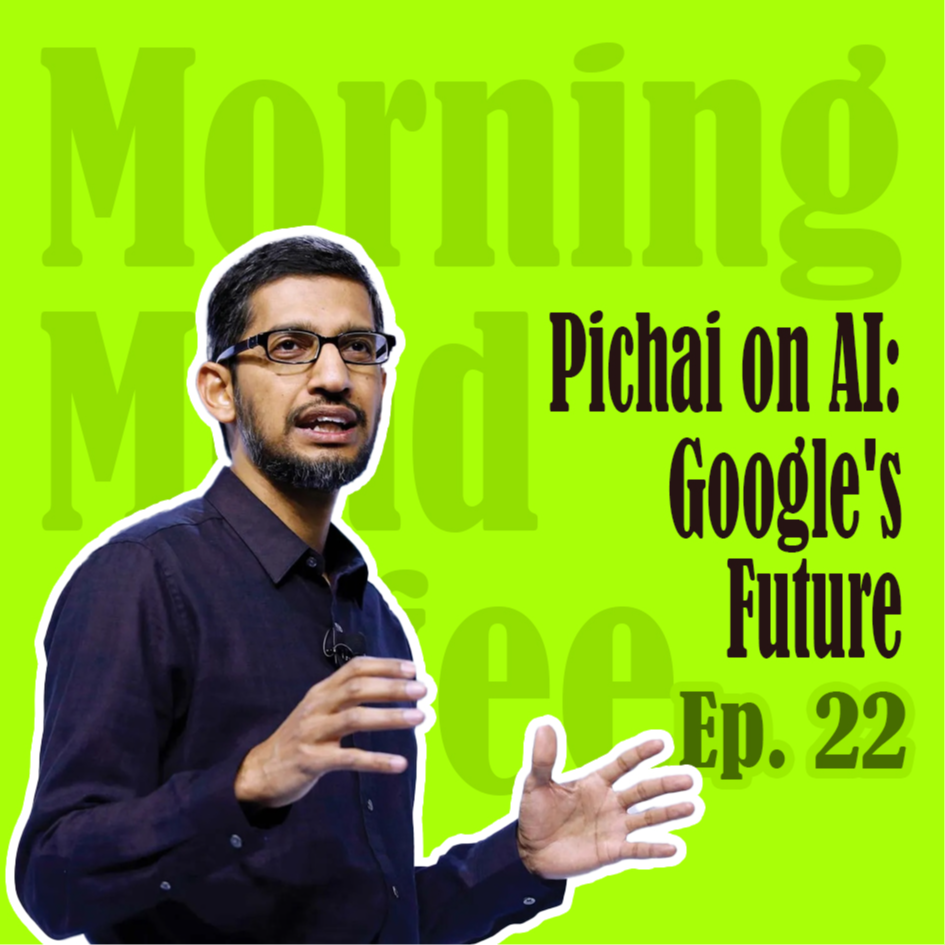
本期讨论的内容是对谷歌首席执行官 Sundar Pichai 的采访。对话涵盖了谷歌在人工智能竞赛中的地位,尤其是来自微软和 OpenAI 等公司的竞争。Pichai 讨论了谷歌的人工智能开发方法、它对搜索等现有产品的影响以及该公司对反垄断问题的回应。他还谈到了人工智能的道德影响、人工智能进步下的未来招聘策略以及谷歌对未来十年的总体愿景。
.
Main Themes:
- 1. AI Leadership and Competition: Pichai asserts Google's continued strength in AI, emphasizing their full-stack approach from research to products, despite challenges from competitors like Microsoft and OpenAI. He highlights Google's commitment to being at the forefront of AI development, citing breakthroughs like text-to-3D scene generation.
- 2. Impact of AI on Google's Core Business: Pichai acknowledges the potential disruption of AI to Google's search business, but argues that the need for reliable and trustworthy information in an AI-generated content landscape makes search even more valuable. He emphasizes Google's aggressive application of AI in search, leading to significant quality improvements.
- 3. Regulation of AI: Pichai advocates for a pro-innovation approach to AI regulation, emphasizing existing regulations in sectors like healthcare. He acknowledges concerns about deepfakes and content authenticity, suggesting targeted regulations might be necessary for specific areas like finance and synthetic media.
- 4. AI and Content Creation Economics: Pichai discusses the challenges of fairly compensating creators in the age of AI, acknowledging that Google's current models for revenue sharing with creators might need to evolve. He suggests the possibility of future marketplaces where creators can be directly compensated for AI training data.
- 5. Google's Culture and Management: Pichai addresses criticisms of Google's internal culture, highlighting a shift towards a more mission-focused environment where employees prioritize product impact over personal platforms. He refutes the notion of employees having undue power, emphasizing the importance of employee voice while aligning them with the company's mission.
- 6. Google's Future Structure: Pichai anticipates potential spin-offs of some "other bets" within Alphabet in the next decade. While committed to overseeing Google's AI journey, he acknowledges the possibility of these units becoming independent public companies.
.
Key Ideas and Facts:
- Google boasts a significant market share in search, YouTube, and Android operating systems.
- Pichai dismisses claims of Microsoft's AI superiority, emphasizing Google's full-stack approach and research dominance.
- He believes the pace of AI progress might slow down, requiring deeper breakthroughs beyond simply increasing computing power.
- Pichai sees autonomous driving as a major achievement, citing Waymo's progress in reaching a million rides per week.
- He downplays the impact of the US government's antitrust case, focusing on Google's innovation and consumer benefits.
- Pichai highlights concerns about AI safety, referencing Jeffrey Hinton's regrets and advocating for early consideration of ethical implications.
- He emphasizes the need for nuanced regulation, focusing on specific areas like deepfakes and financial fraud.
- Pichai acknowledges the challenge of compensating content creators in the age of AI and suggests potential future models.
- He describes a shift in Google's culture towards a more mission-focused environment, downplaying past perceptions of employee power.
- Pichai anticipates the potential spin-offs of some of Alphabet's "other bets" in the coming decade.
.
Overall Impression:
Pichai presents a confident and optimistic view of Google's future in the age of AI. He acknowledges the challenges and complexities, including competition, regulation, and the ethical implications of AI, but emphasizes Google's commitment to innovation, responsible development, and a culture focused on impactful product development. He believes that Google is well-positioned to navigate these challenges and maintain its leadership in the technology landscape.