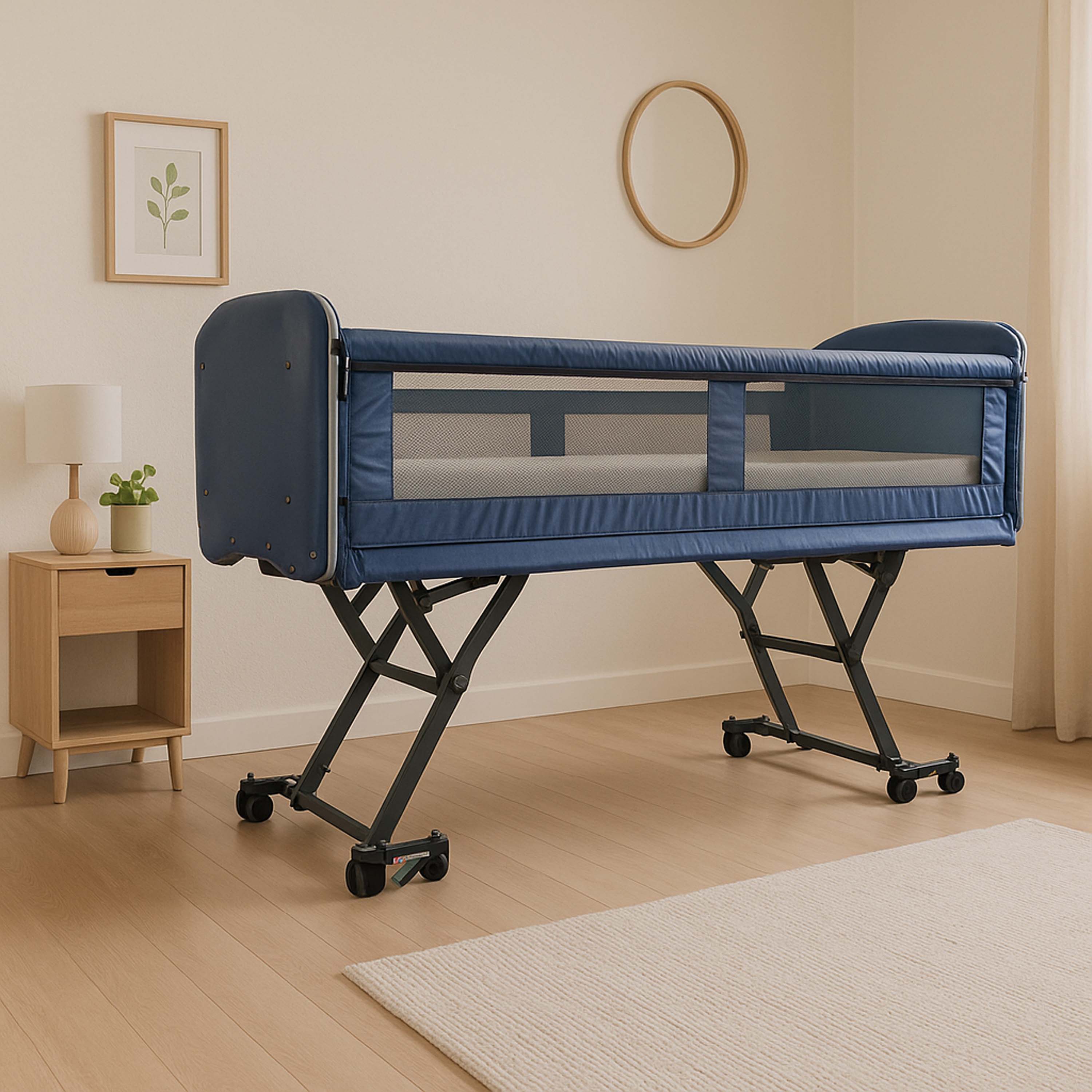
In this episode of the Fast Intelligent Care, we dive deep into one of the most critical safety concerns in care environments: fall prevention with beds. Falls from bed can result in severe injuries, especially in clients with disorientation, mobility issues, or neurological conditions. Fortunately, modern profiling beds and height-adjustable solutions offer innovative ways to mitigate these risks.
🛏️ What You'll Learn:
- Why bed height matters and how adjustable beds can reduce injury severity.
- The difference between high-low beds and floor-level beds, and when to use each.
- How safety stop mechanisms can strike the right balance between accessibility and safety.
- The importance of caster brakes (including tandem brake systems) in preventing unintended bed movement.
- Using side rails and padded panels effectively – including crucial considerations around:
- Entrapment risks
- Suffocation prevention
- Caregiver accessibility
- How bed width impacts client safety, comfort, and carer support during mobility or hygiene routines.
🧠 Key Takeaways:
- Fall prevention is not just about minimizing the distance to the floor — it’s about enabling safe transfers, proper visibility, and quick response.
- Each feature (like side panels or brakes) brings benefits and trade-offs. Knowing the client’s needs and risks is essential to choosing the right solution.
- Equipment should support both client safety and caregiver efficiency.
📣 Join the Conversation:
Have you had a client experience a fall from bed? What worked — or didn’t work — in your setting? Share your thoughts in the comments. We’d love to hear your insights!
👉 Coming Up Next: Stay tuned for our next episode focused on Pressure Care – where we'll explore mattresses, support surfaces, and prevention strategies.