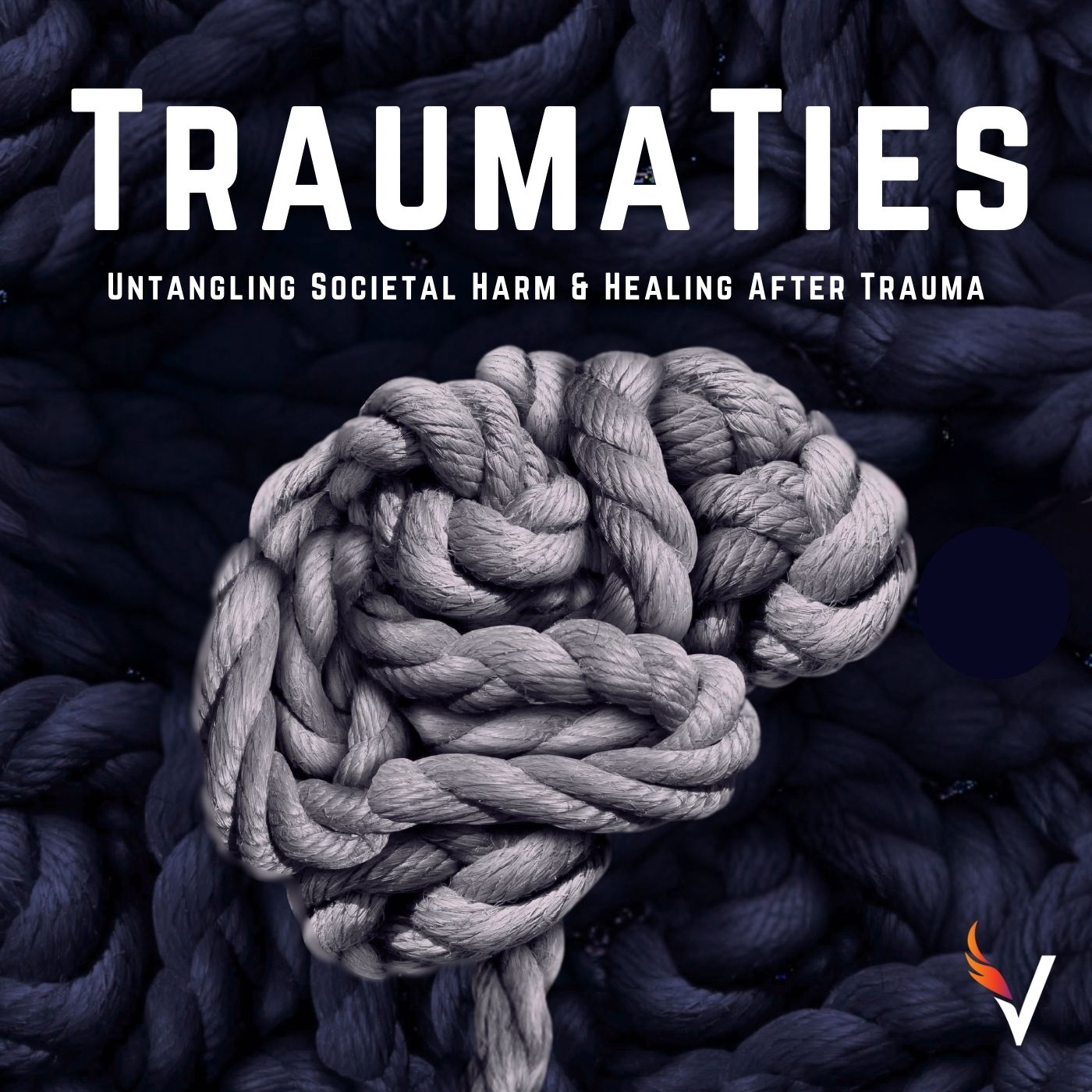
Healing from trauma is not like solving a problem or fixing an appliance; as Bridgette and Lindsey discuss, trauma is integrated into our lives, and we can react to an experience years after it happened. Where we see true progress is in our ability to name that reaction, not let shame dominate the situation, and understand that reacting isn’t a “loss” in progress or healing.
☑️ Bridgette Stumpf | LinkedIn
☑️ Lindsey Silverberg | LinkedIn
☑️ Volare | LinkedIn | Instagram | Facebook
☑️ Subscribe to the TraumaTies newsletter
☑️ TraumaTies Website | Instagram | TikTok | YouTube
☑️ Subscribe Apple Podcasts | Spotify
Brought to you by Volare, TraumaTies: Untangling Societal Harm & Healing After Crime is a podcast that creates space and conversations to dissect the structural and systemic knots that keep us from addressing trauma.
Rooted in a belief that survivors of crime deserve respect for their dignity in the aftermath of victimization, Volare seeks to empower survivors by informing them of all of the options available and working to transform existing response systems to be more inclusive of the diverse needs that survivors often have after crime.
Volare also provides free, holistic, and comprehensive advocacy, therapeutic, and legal services to survivors of all crime types. Visit our website to learn more about how to access our trauma-informed education training and how to partner with us to expand survivor-defined justice.