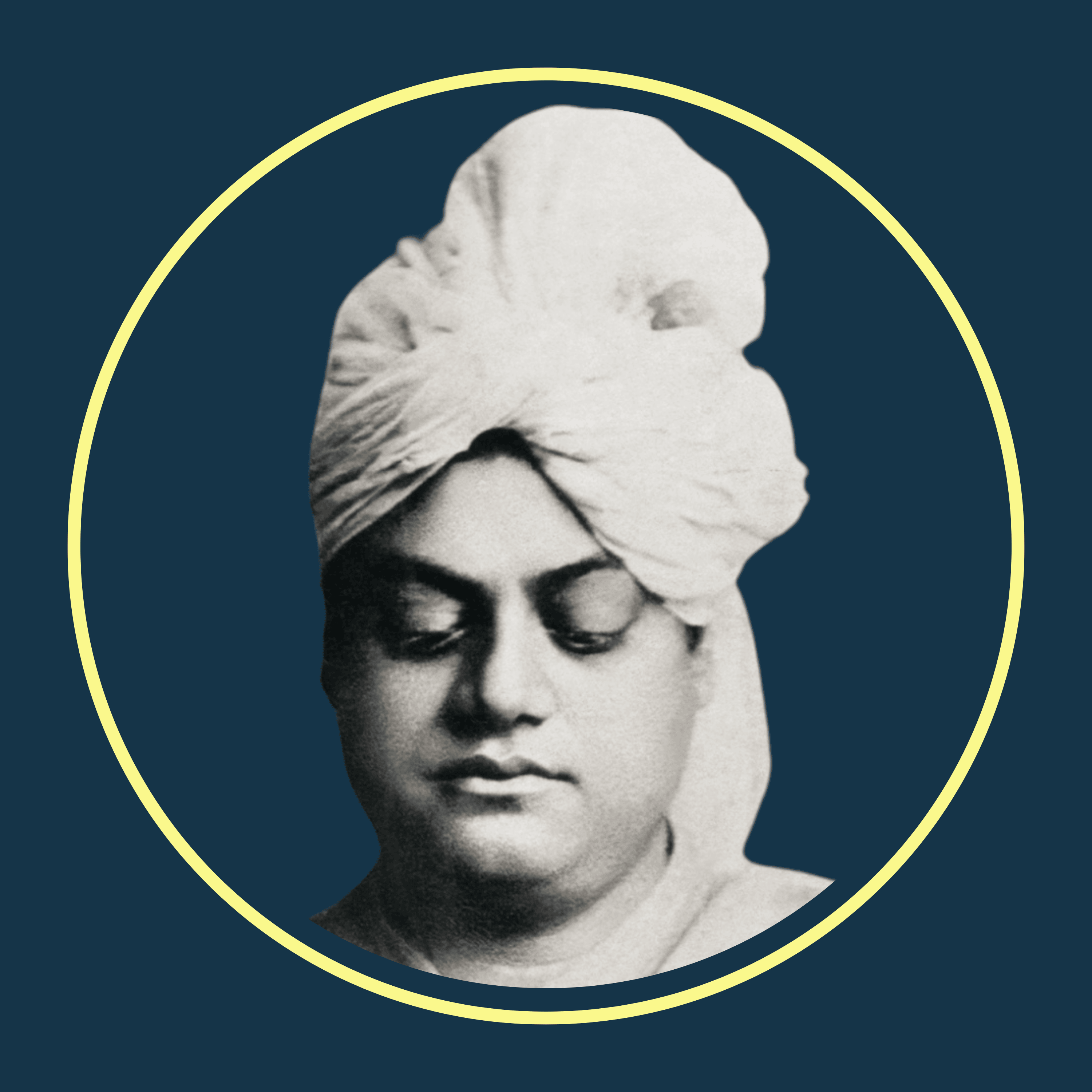
Recorded at the Vedanta Society of Western Washington on June 24, 2012.
Swami Bhaskarananda examines the question “What is consciousness?” and shows why it resists ordinary definition. The mind can know objects only by standing apart from them, yet consciousness is the very condition by which the mind knows at all. If consciousness were removed from the mind, the mind would be unable to inquire; therefore consciousness cannot be approached as a typical object of knowledge. He briefly surveys Western approaches that treat consciousness as a function of mind or as awareness of self and environment, noting that these descriptions do not fully resolve the underlying problem.
He then presents a Vedantic understanding in which consciousness is not a quality produced by mind or brain, but the ever-present ground of existence—present everywhere, though not equally manifest. Using images such as reflection, canvas and painting, and a movie screen, he explains how individual awareness depends on mind as an instrument, while consciousness itself remains unchanged. The talk emphasizes that even states like anesthesia show not the absence of consciousness, but the absence of its manifestation in the mind. Finally, he turns to the practical implication: consciousness cannot be captured in words, but can be approached through purification and concentration of mind, leading to direct insight and a deep peace beyond the usual pairs of opposites.