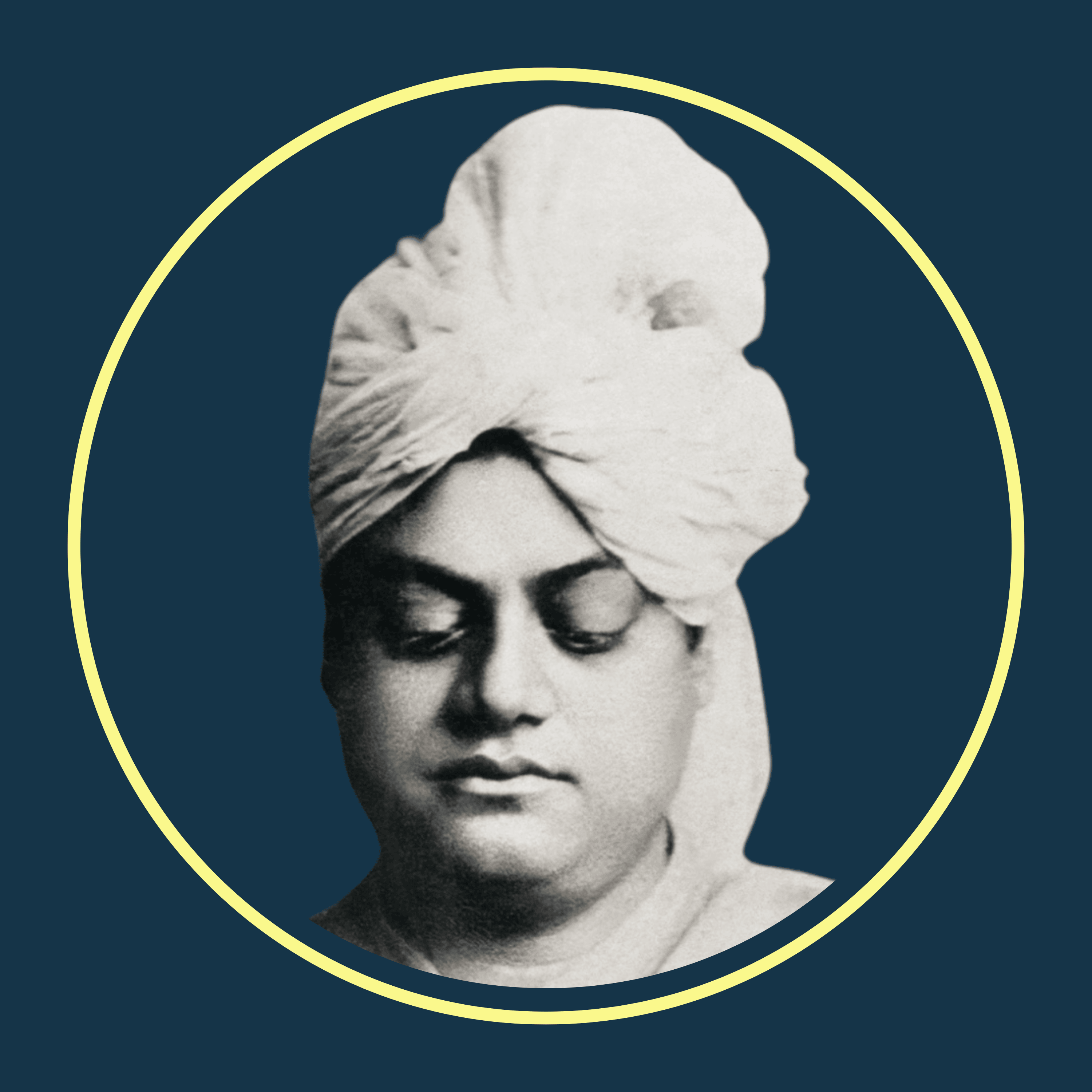
Recorded at the Vedanta Society of Western Washington on September 23, 2012.
In this talk, Swami Brahmātmananda reflects on divine grace and self-surrender as themes shared across theistic traditions, and especially vital for those seeking an inward spiritual life. He explains that grace is sought because human life, when centered on the ego and its endless wants, leaves a persistent sense of lack. Over time, the limitations of an egocentric pursuit of enjoyment and achievement prompt a turn toward prayer, worship, and meditation—practices that establish a living relationship with a personal aspect of God. Through daily discipline, the aspirant gradually absorbs the qualities associated with the Divine, especially love, goodwill, and a widening sense of kinship with others beyond divisions of race, religion, or background.
Swami Brahmātmananda emphasizes that receptivity to grace depends on purification of mind and steady remembrance, echoing Swami Vivekananda’s counsel to become a fit instrument through concentration and freedom from restless worldly craving. He illustrates the working of grace through Sri Ramakrishna’s simple analogies: the wind that always blows but requires a sail; the same lamp that can aid either scripture study or harmful work, showing human responsibility; and the child safely guided when an elder firmly holds the child’s hand. He also draws inspiration from Swami Brahmananda’s example of complete surrender—offering body and mind to the Divine ideal—so that spiritual responsibility is entrusted to that higher power. The talk closes with an Upanishadic vision of the one all-pervading Reality, the indwelling witness and guide beyond all attributes.