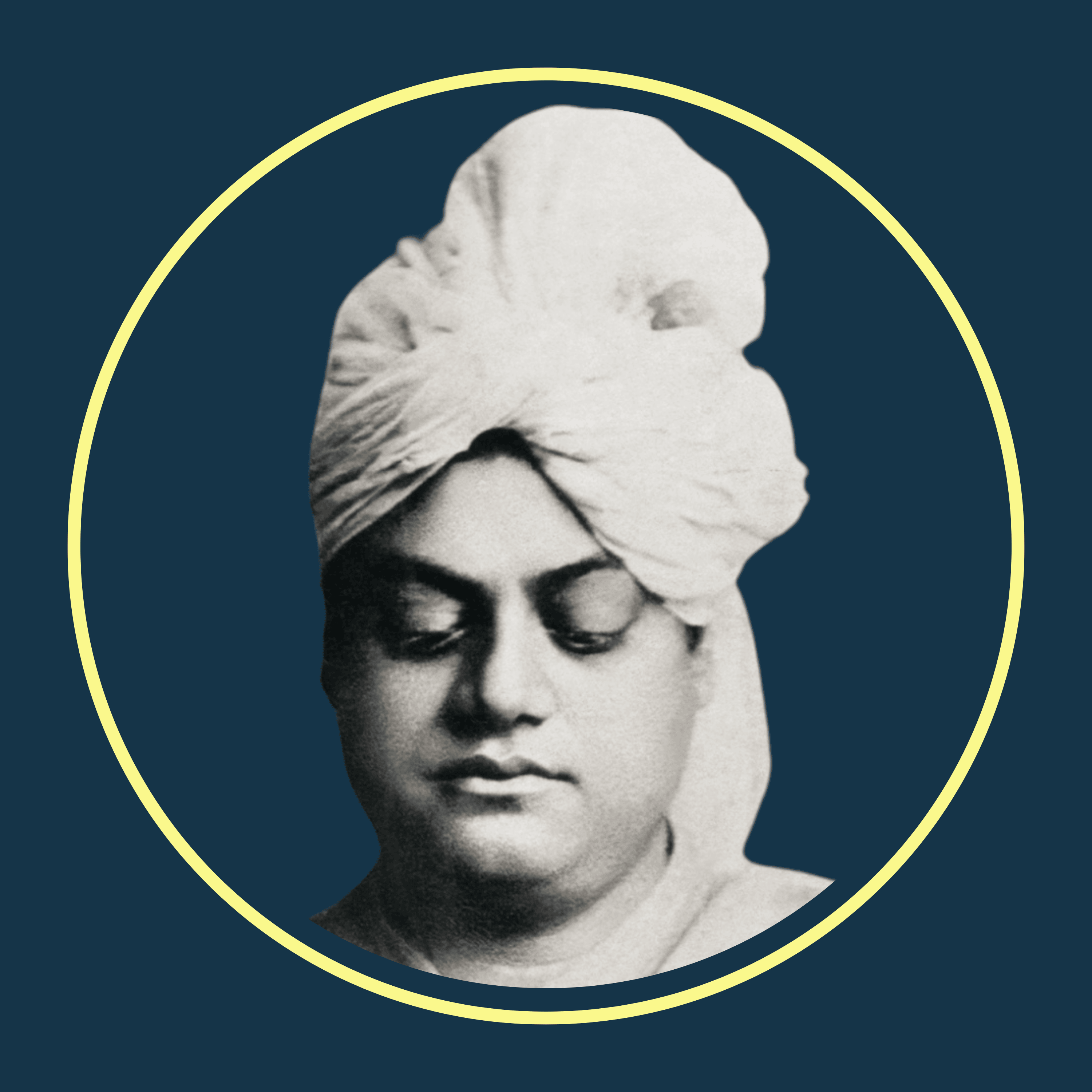
Recorded at the Vedanta Society of Western Washington on June 2, 2013.
Swami Bhaskarananda explains the meaning of the guru–disciple relationship in Vedanta, beginning with the idea that spiritual growth is an inner transformation rather than a change of religious “uniform.” He clarifies the Sanskrit meaning of guru as one who dispels spiritual darkness, and situates this relationship within the larger Vedantic view that the Divine is the source of the universe and is present everywhere, though not equally manifested. Because life in the world moves through pairs of opposites—joy and sorrow, gain and loss—the purpose of spiritual life is to transcend this cycle and realize what one truly is beyond suffering.
Swami Bhaskarananda then outlines four levels of teachers: those who give secular education, those who teach scripture, those who provide spiritual initiation and practical disciplines, and the highest teachers who have direct God-experience. He emphasizes that the real guru is ultimately the Divine working through a qualified teacher, and that progress depends on shraddha—a reverent trust that sees the guru as a channel of God’s guidance rather than as merely a person. The talk highlights the use of mantra and the repetition of God’s name as a method for purifying the mind, increasing clarity and serenity, and making it fit for spiritual knowledge. He concludes by noting that authentic teachers do not teach with vanity, and that the disciple’s disciplined practice—supported by the guru’s instruction—gradually removes inner obscurations so the Divine can be known directly.