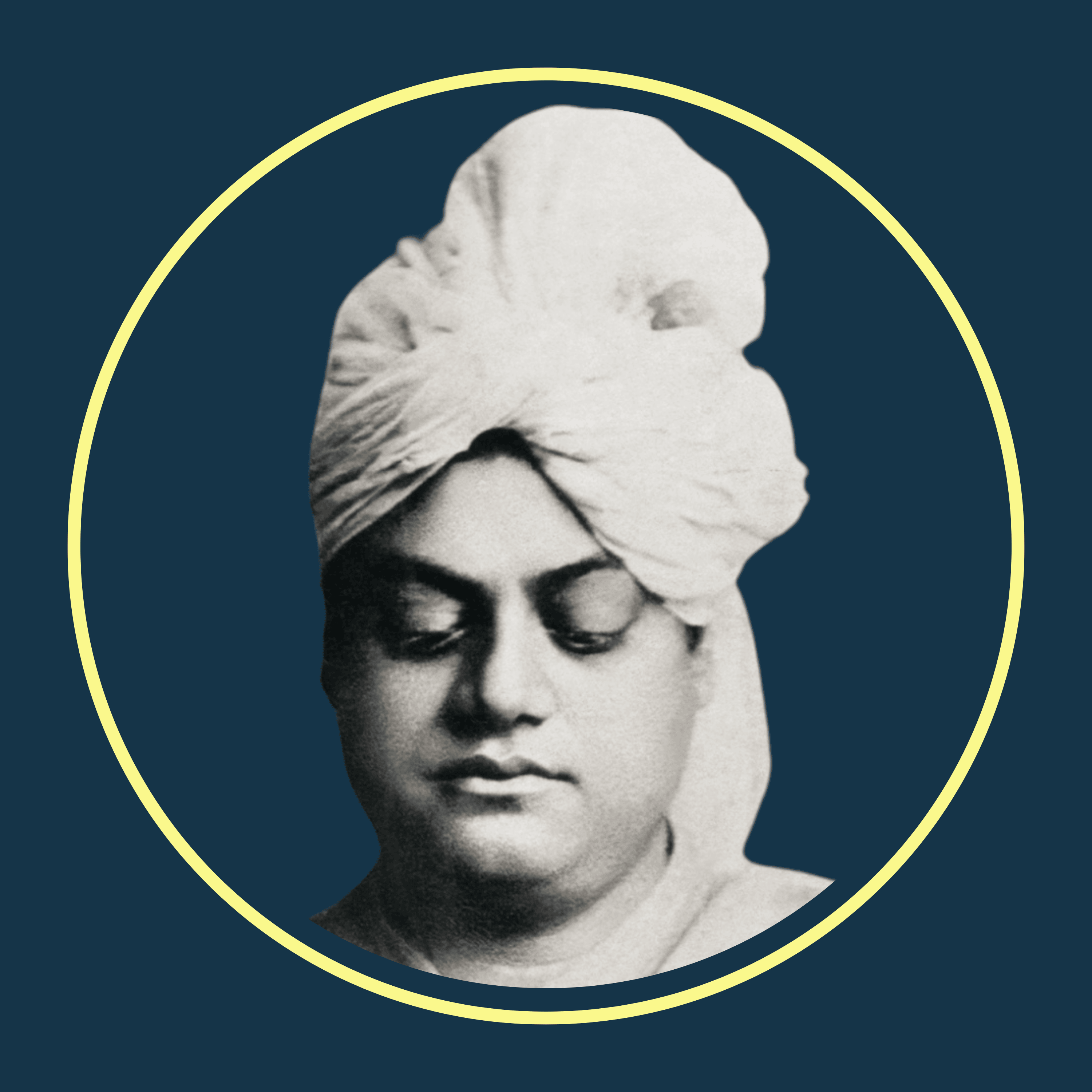
Recorded at the Vedanta Society of Western Washington on Sunday, April 3, 2012.
Swami Bhaskarananda frames Jesus as a divine incarnation in the Hindu/Vedantic sense: God is formless, infinite, beyond time and space, yet can become immanent and “take form” to uplift humanity when spirituality declines. Hinduism can therefore honor Jesus without exclusivity, because scripture (he cites the Srimad Bhagavatam) affirms innumerable incarnations and offers “signs and symptoms” by which they are recognized. Divine incarnations, he says, are “windows” to the divine—God is present everywhere equally but manifested differently—so an avatar is like a “trillion-watt bulb,” teaching primarily through life and example rather than self-promotion. He emphasizes common core teachings across religions: purity of heart enables God-vision (“Blessed are the pure in heart…”), and perfection/divinization is the aim (“Be ye perfect…”), aligning these with Vedantic ideas that all beings are divine and spiritual practice purifies the mind to glimpse ultimate reality.
He highlights Jesus’ ethical and spiritual greatness as the real miracle: radical forgiveness on the cross (“forgive them…”) and humility (serving disciples, avoiding vanity, not claiming glory). Miracles may attract “crude-minded” crowds, but the deeper purpose is spiritual transformation toward unselfishness—since selfishness is the root of evil and self-sacrifice the mark of goodness and divinity. On the resurrection, he offers a Vedantic interpretation: Jesus may have entered a profound samadhi-like state rather than literal death, later reappearing discreetly—while also noting how traditions accumulate legend over time. He closes by urging prayer to Jesus and other divine incarnations for grace to purify the heart and manifest the divinity already within.