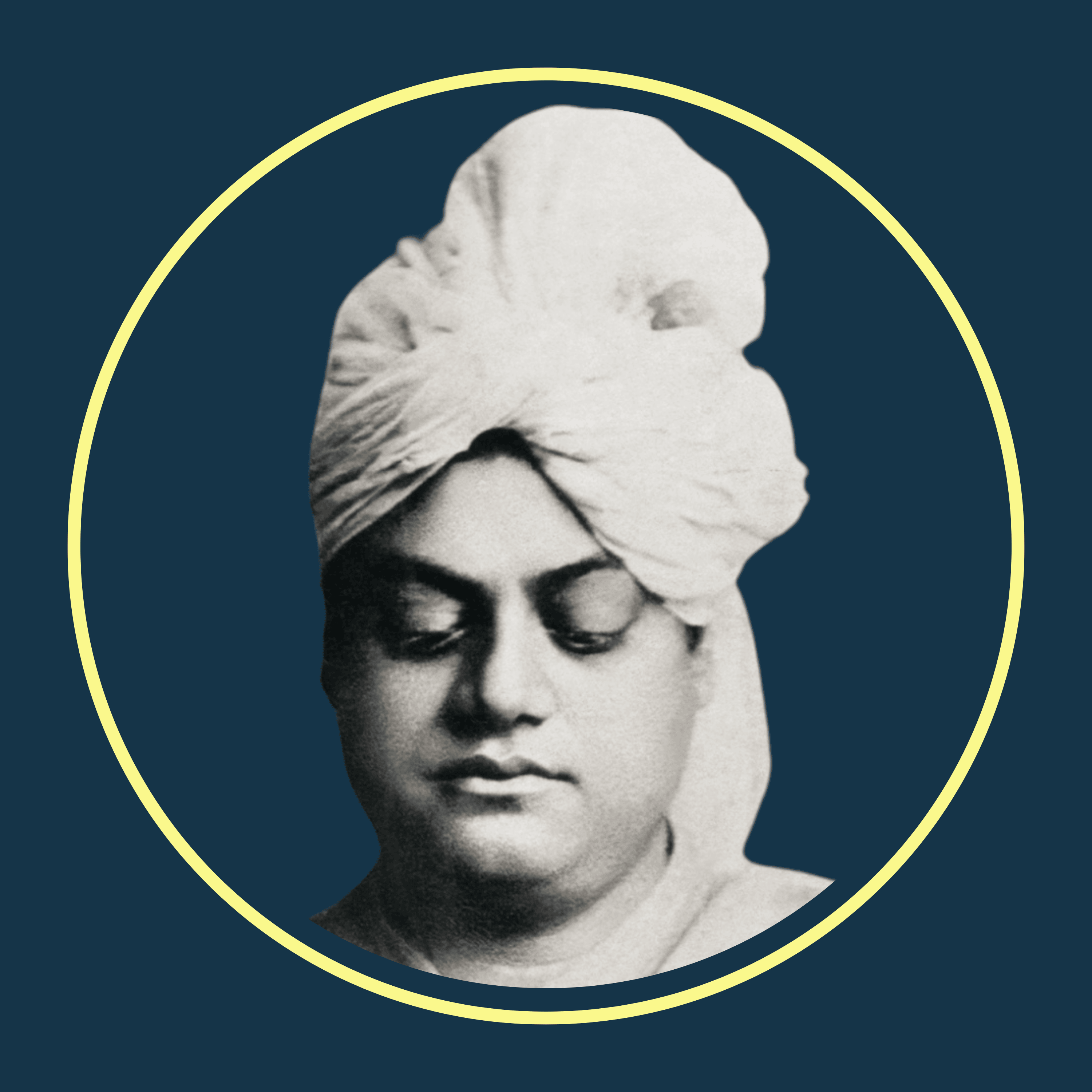
Recorded at the Vedanta Society of Western Washington on March 4, 2012.
In this talk, Swami Bhaskarananda explores the importance of understanding the mind, describing it as our closest and most constant companion. He explains how the mind stores every thought, shaping tendencies that influence character and behavior over time. Through clear examples, he shows that what are often called “miracles” are in fact ordinary operations of the mind, since every physical action originates in thought. Rather than seeking extraordinary powers, he emphasizes that the most meaningful transformation lies in refining the quality of one’s thoughts, replacing agitation, anger, and violence with calmness, compassion, and clarity. To know the mind, he notes, one must use the mind itself, observing its fluctuations and recognizing its central role in human experience.
The lecture then turns to philosophical perspectives on the nature of the mind, comparing Western and Indian views. Swami Bhaskarananda outlines how Western thinkers have differed on whether the mind is separate from or identical with the body, often leaving its true nature unresolved. In contrast, Indian psychology describes the mind as extremely subtle matter arising from primordial nature, animated by borrowed consciousness. He explains the traditional analysis of the inner instrument, distinguishing its functions as mind, intellect, memory, and ego, while clarifying that none of these constitute the true Self. The talk concludes by stressing that while the mind is not the soul, careful study and discipline of the mind prepare one to move toward knowledge of the Self, a subject he indicates will be developed further in subsequent talks.