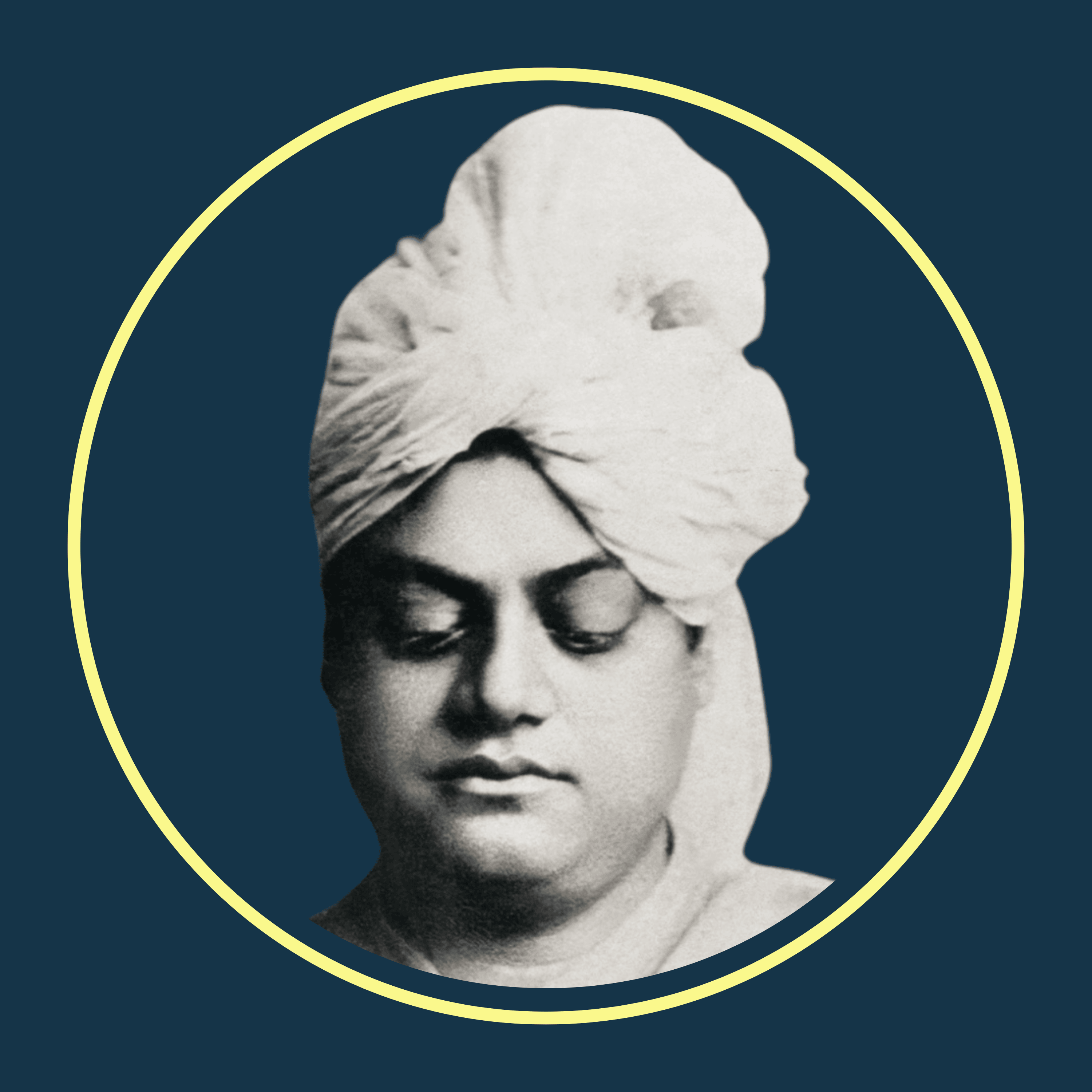
Recorded at the Vedanta Society of Western Washington on June 23, 2013.
Swami Bhaskarananda clarifies what meditation is in the Vedantic tradition, distinguishing it from japa (repetition of a holy name). While japa can be a helpful starting point for training the mind, he explains that meditation properly means sustained concentration—an uninterrupted flow of awareness toward the chosen spiritual ideal—aimed at the manifestation of divinity within and the ending of suffering at its root. He describes how the mind stores impressions of past thoughts (samskaras), how these impressions shape character and perception, and why purification and control of the mind are essential for spiritual progress.
He then outlines four common obstacles that arise in meditation and how to work through them: sleep (laya), mental restlessness (vikṣhepa), reluctance or inner resistance (kashaya), and attachment to preliminary spiritual experiences (rasāsvāda). Swami Bhaskarananda advises practical adjustments—such as restoring balance when the mind becomes dull or overly agitated—and encourages meditators not to mistake sleep or intermediate visions for the goal. Progress, he emphasizes, requires patience, steadiness, and continued effort until the mind becomes fit for knowledge of the Self.