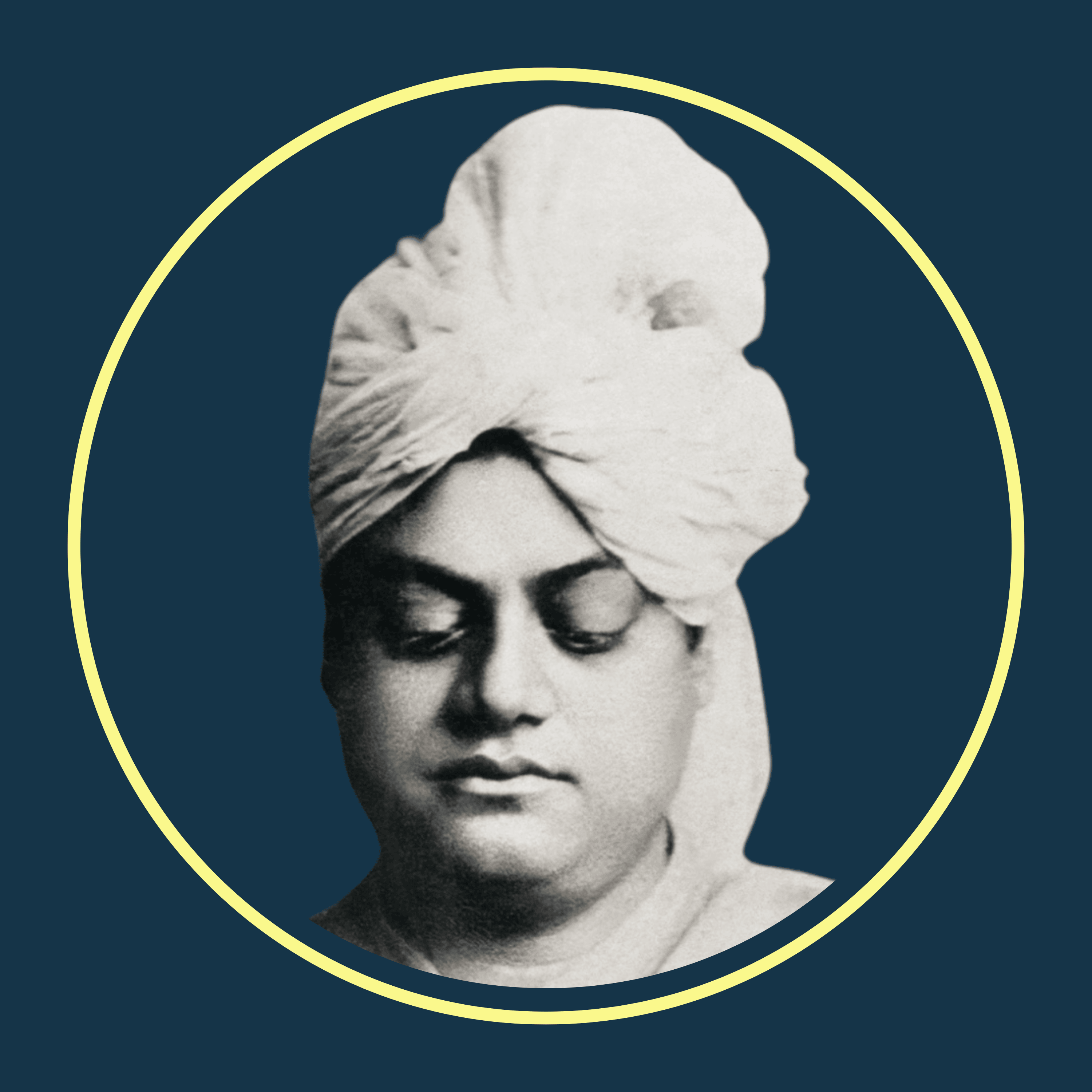
Recorded at the Vedanta Society of Western Washington on May 1, 2011.
In this lecture, Swami Bhaskarananda examines the doctrine of reincarnation from the standpoint of Vedanta. He begins with the natural human question of whether we exist after death and contrasts materialist denials of soul with ancient intuitions drawn from dream experiences and early cultural ideas of heaven and the underworld. Drawing on the Upanishads, he explains that all gross and subtle phenomena arise from vibrating primordial substance and that consciousness does not originate from matter, but from divinity. The individual soul is described as the reflection of all-pervading consciousness on the mind–intellect, like the moon reflected in a mirror. Where there is no mind, as in rocks and trees, there is no individual soul, though divinity is still present everywhere.
Swami Bhaskarananda outlines the Vedantic view of the subtle body, composed of mind, intellect, senses, motor organs, and vital energies, which survives physical death and travels to different planes of existence according to the quality of one’s mind. Unfulfilled desires stored in the mind then lead to rebirth, providing new opportunities to seek their fulfillment. He surveys belief in rebirth across Egyptian, Greek, Jewish, early Christian, and Buddhist sources, and shares modern cases of apparent past-life memory, including verified accounts from India and abroad. The talk concludes by stressing that repeated birth inevitably brings both pleasure and suffering, and that true freedom lies in transcending desire through purification and control of the mind, opening the way to enduring peace and awareness of one’s inherent divinity.