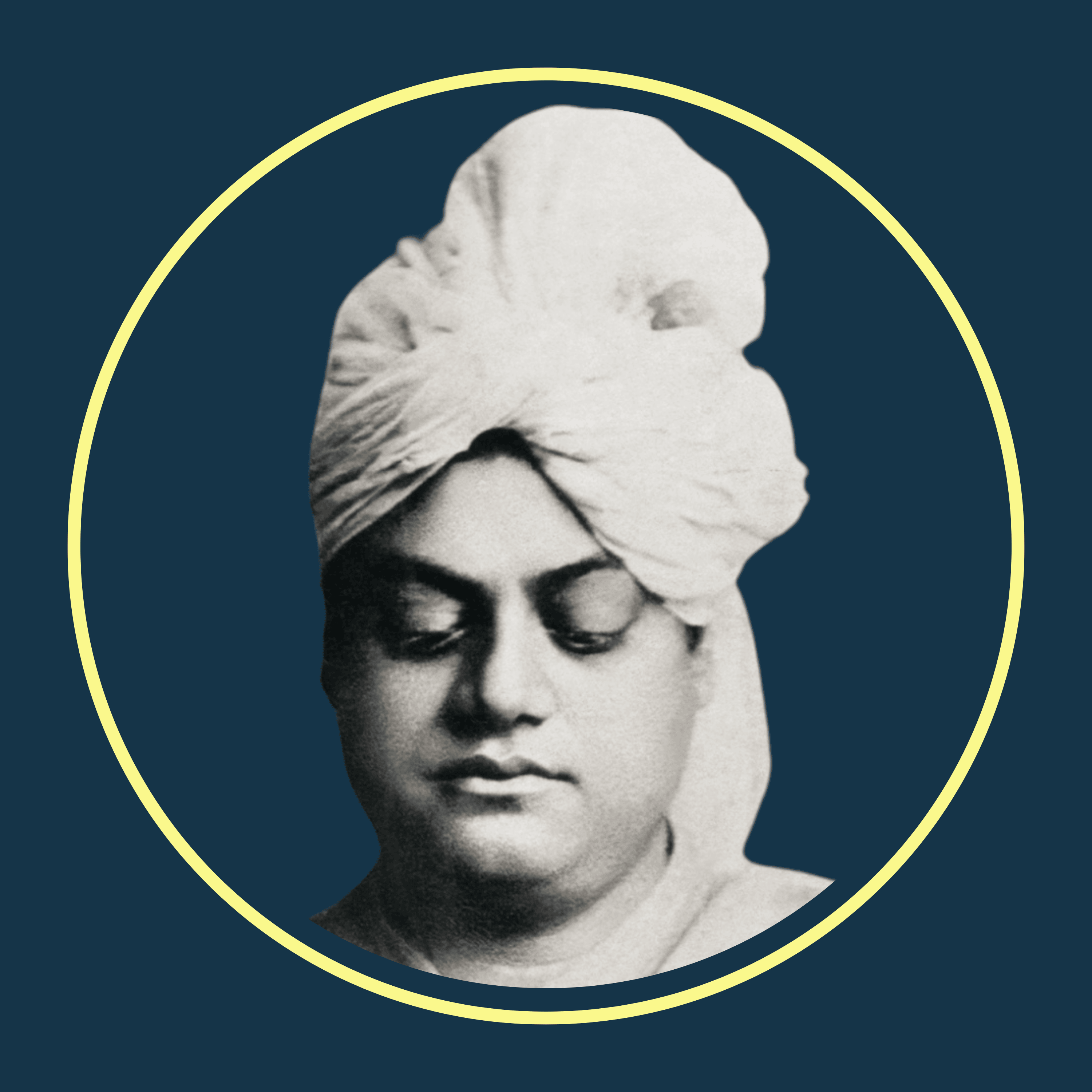
Recorded at the Vedanta Society of Western Washington on June 30, 2013.
In this talk delivered on the third day of celebrations honoring Sri Sarada Devi, Swami Tattwamayananda reflects on the meaning of divine motherhood as a central ideal of the Vedantic tradition. He presents Sri Sarada Devi as an embodiment of universal spiritual humanism, emphasizing how the relationship between mother and child becomes the most natural and intimate way to approach the divine. Drawing from classical sources such as the Taittiriya Upanishad, he explains how reverence for the mother stands at the foundation of ethical and spiritual life, dissolving distinctions of status, ability, nationality, and belief. Through stories from Holy Mother’s life, he illustrates how her vision transcended social, cultural, and even patriotic boundaries, revealing a compassion that embraced all as her children.
The lecture further explores how Sri Sarada Devi harmonized seemingly opposite principles within spiritual life, particularly personal effort and divine grace. Swami Tattwamayananda highlights her practical guidance, which urged sincere discipline and prayer while also recognizing the indispensable role of grace that cannot be demanded or earned by effort alone. Using examples from Sri Ramakrishna, Christian mysticism, and everyday analogies, he shows how Holy Mother reconciled different paths of yoga and schools of Vedanta into a unified spiritual outlook. Her life and silent presence, he explains, communicated spiritual truth beyond words, making her a universal teacher whose influence continues to nurture awareness of inherent divinity across cultures and generations.