Recorded at the Vedanta Society of Western Washington on September 8, 2013.
Dr. Samir Bhattacharya explores whether science and religion are fundamentally opposed or can be understood as complementary pursuits of truth. He contrasts science’s reliance on observation, reason, and experiment with religion’s emphasis on faith, and notes how conflict often arises when either side dismisses the other. Using historical examples—especially the controversy surrounding Darwin—he argues that human knowledge has limits and that humility before the unknown is warranted. He also describes moments of insight in scientific discovery that resemble “mystery,” such as Otto Loewi’s breakthrough on chemical transmission in the nervous system, and reflects on how experiences that cannot be easily explained appear in both spiritual life and scientific work.
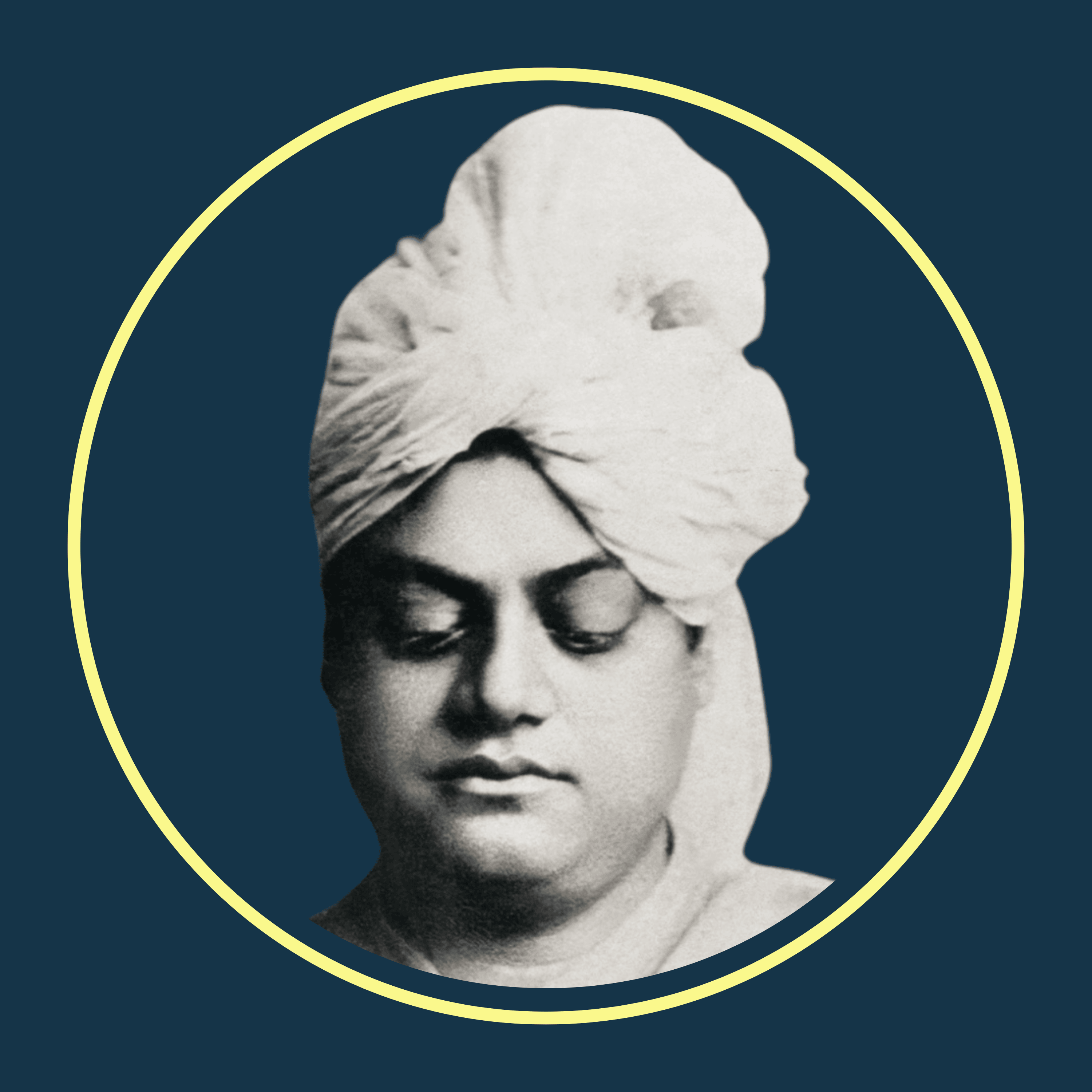
Drawing on Swami Vivekananda, Einstein, and later voices such as the Dalai Lama, Dr. Bhattacharya presents the idea of a “scientific religion” in which religious claims are open to critical investigation and superstition is discarded. Swami Bhaskarananda responds by framing Vedanta as a tradition that accommodates many levels of understanding, moving from “lower truth to higher truth” without condemning sincere inquiry—including atheistic and skeptical viewpoints. He emphasizes that the highest truth lies beyond ordinary sense perception and can be approached through refinement of the mind, concluding with an Upanishadic chant and a brief explanation of peace as the removal of suffering in its various forms.