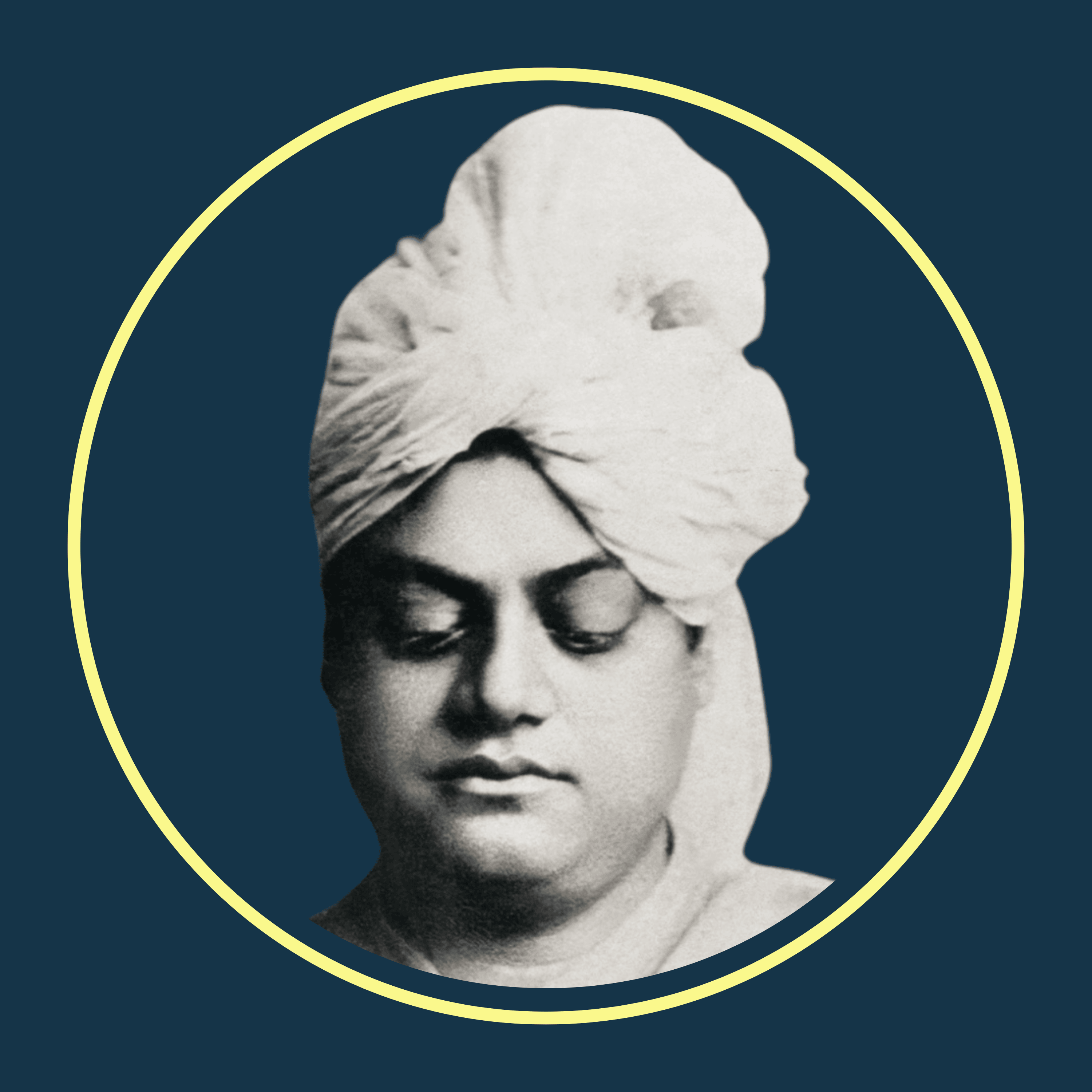
Recorded at the Vedanta Society of Western Washington on March 31, 2013.
Swami Bhaskarananda examines the Christian idea of resurrection in the wider context of humanity’s long search for immortality. He notes that early civilizations often imagined survival as the continued existence of the body, leading to practices such as preserving remains, while Vedanta distinguishes the perishable body from the immortal soul—the reflection of divine consciousness in the mind. Because the soul’s nature is deathless, he says, human beings instinctively yearn for immortality, though this longing is often misdirected toward physical perpetuity.
Turning to the New Testament accounts, he reviews the varied timelines of the Gospels and the religious climate of Jesus’ time, presenting Jesus as the highest expression of Jewish spirituality and as a divine incarnation recognized by Sri Ramakrishna. From a Vedantic standpoint, Swami Bhaskarananda interprets “resurrection” not as the revivification of a dead body but as the return from profound samadhi, a state in which ordinary signs of life may cease while consciousness remains established in Brahman. He relates parallel examples from Indian tradition and concludes that understanding resurrection in this light affirms the soul’s immortality and honors Jesus as an embodiment of divine compassion.