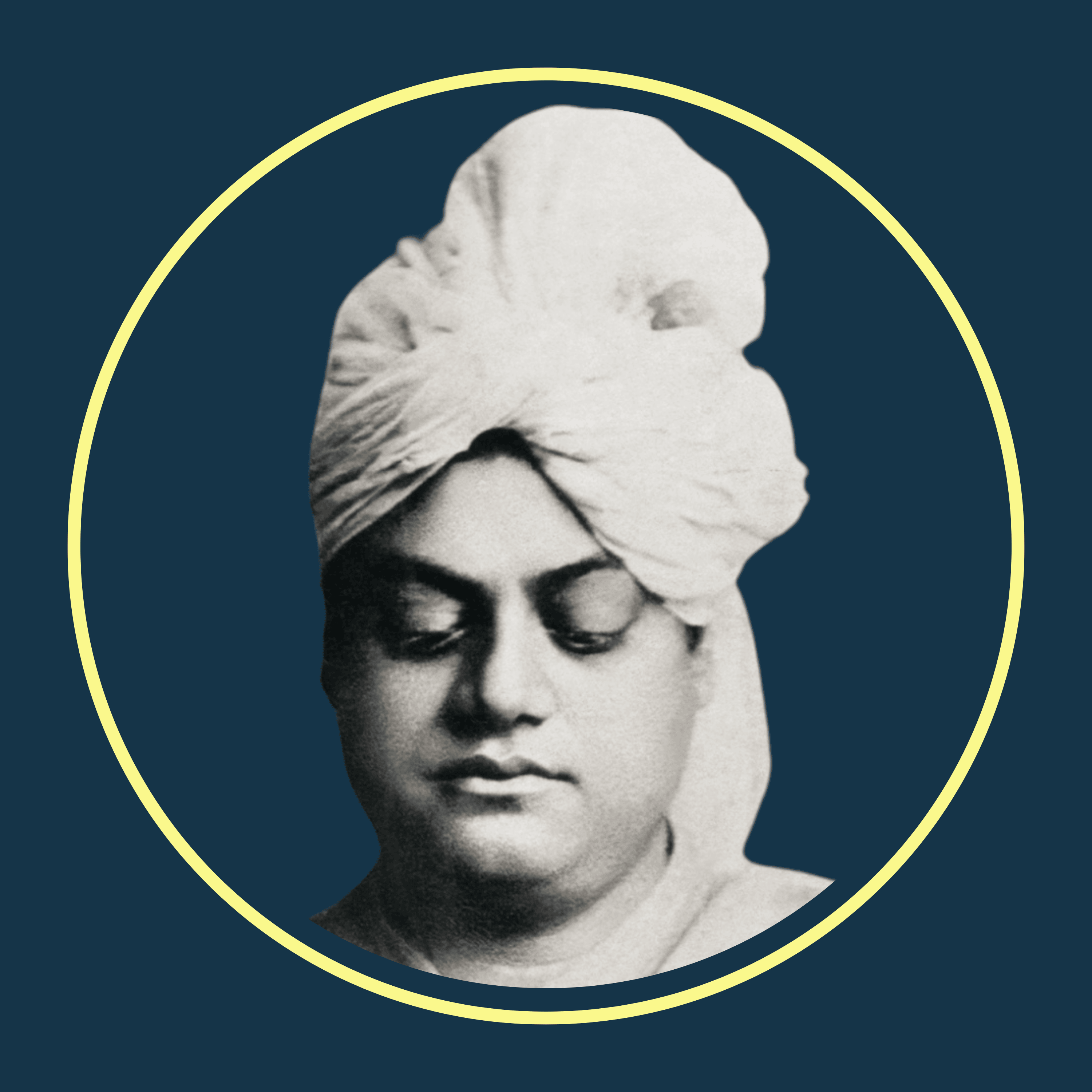
Recorded at the Vedanta Society of Western Washington on January 29, 2012.
In this lecture, Swami Bhaskarananda explores the meaning of truth and the challenge of understanding what is genuinely real. He distinguishes between truthfulness as a moral practice and truth itself as a philosophical inquiry, noting that many things accepted as true are provisional and shaped by human perception, experience, and mental development. Drawing on examples such as dreams, hallucinations, and everyday judgments, he explains how experiences can appear real for a time and later be found inadequate or mistaken.
Turning to Vedantic philosophy, he presents the idea that there is ultimately one truth, called Brahman, which underlies all existence. Brahman, he explains, is not an object within time and space but the changeless and eternal reality upon which the changing world depends, much like a canvas supports a painting. The world is not denied, but its reality is understood as dependent and relative, while Brahman alone is independent and absolute. He outlines the Vedantic criteria for what is truly real—eternality and changelessness—and shows how these criteria are already used implicitly in ordinary reasoning.
Swami Bhaskarananda also describes the traditional Vedantic methods for validating truth, including perception, inference, reliable testimony, comparison, postulation, and non-perception. Using these methods, he explains, human understanding progresses from lower truths to higher ones. He concludes that while relative truths evolve with the growth of the mind, the highest truth remains constant: the underlying reality that supports all existence and gives meaning to the search for truth itself.