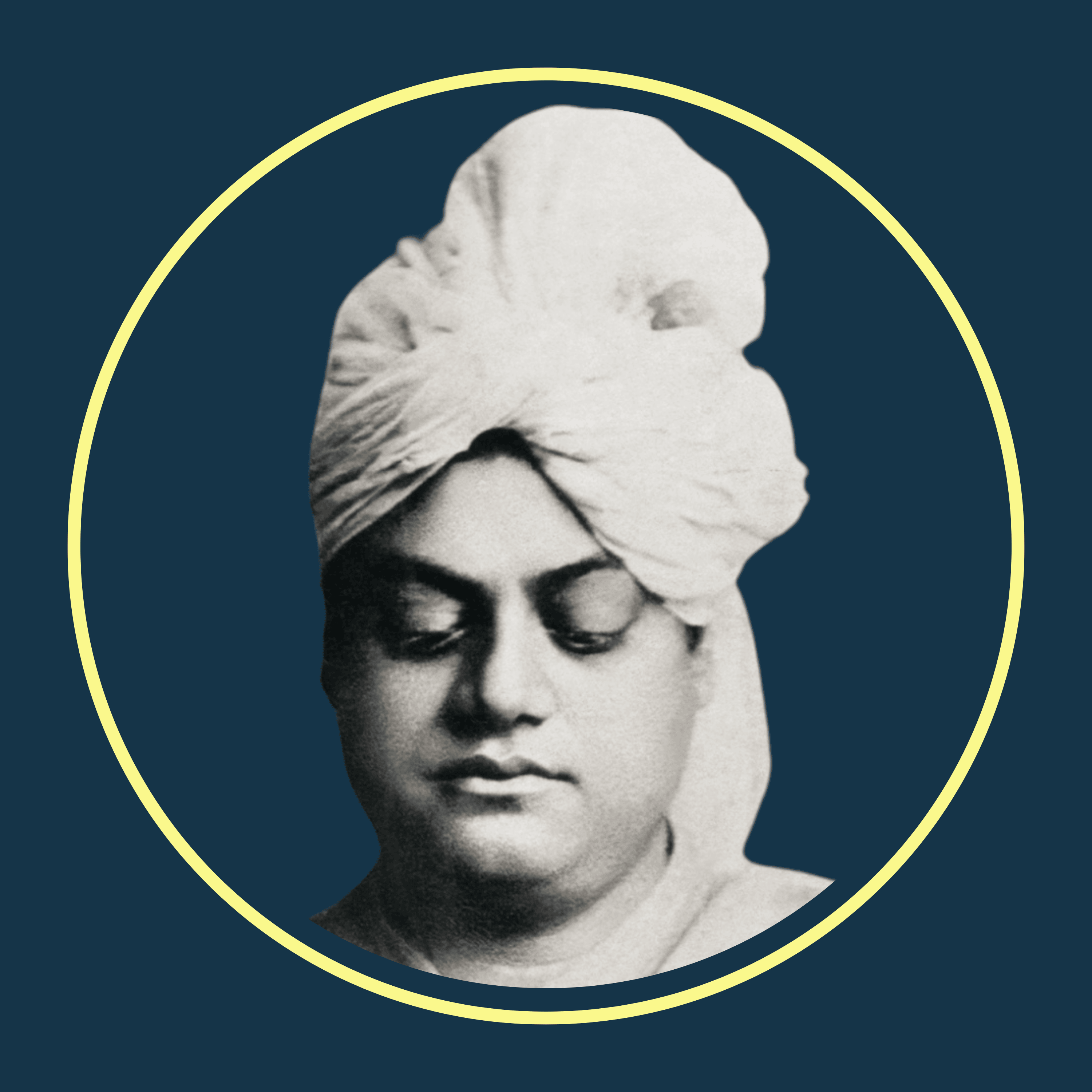
Recorded at the Vedanta Society of Western Washington on May 6, 2012.
Swami Bhaskarananda examines a common modern claim about Gautama Buddha and clarifies what “atheist” can mean in an Indian philosophical context. He begins by situating the Buddha within an ancient, highly tolerant spiritual culture where even divergent views about God could be discussed without hostility. From there, he distinguishes between a limited, personal conception of God and the formless, transcendental reality described in Vedanta as beyond time, space, and causation, noting how different minds naturally project different relationships onto the same divine ground.
Turning to the Buddha’s life and teachings, he emphasizes the Buddha’s practical focus on the problem of suffering rather than speculative debate, including his refusal to indulge certain metaphysical questions. Swami Bhaskarananda argues that this avoidance of theorizing should not be mistaken for denial of the Highest Reality. Citing Buddhist and Upanishadic descriptions of a state where ordinary categories and opposites fall away, he presents the Buddha’s awakening as an experiential realization of the formless Absolute (Nirguna Brahman), not a rejection of divinity. He closes by highlighting the Buddha’s reforming spirit, humility, compassion, and the inspiration his example offers to those seeking freedom from suffering.