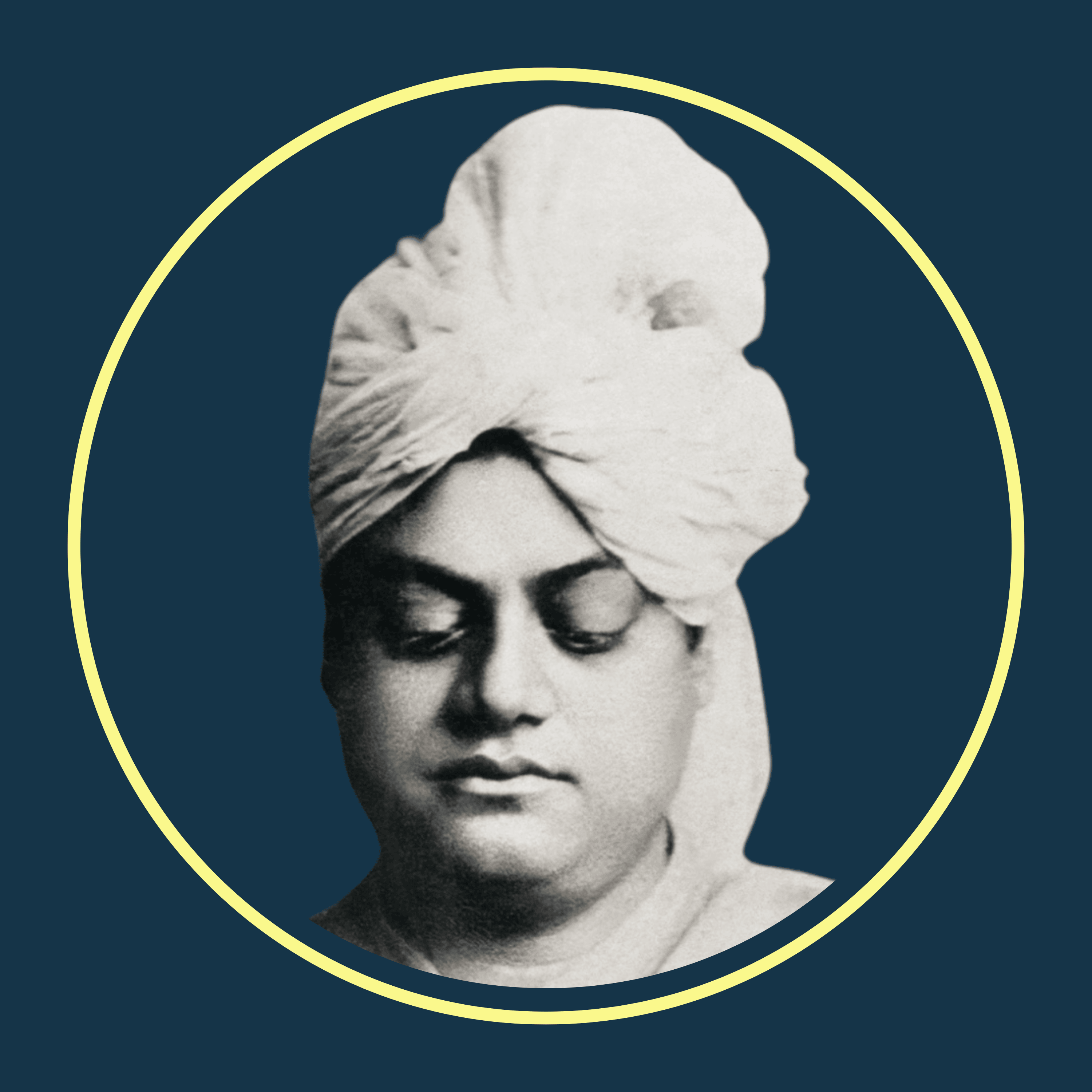
Recorded at the Vedanta Society of Western Washington on April 14, 2013.
In this talk, Swami Manishananda reflects on the personal, philosophical, and experiential reasons that led him to embrace Vedanta as the guiding framework of his life. He describes growing up without formal religious training, yet with an intuitive sense of a benevolent higher reality, and how early encounters with death, suffering, and profound questions about infinity and meaning stirred a deep inner search. As a young adult, he found that Vedanta addressed these questions with intellectual clarity and emotional resonance, offering a coherent understanding of existence that satisfied both reason and feeling. Vedanta’s view of infinity as beyond time and space, rather than an endless extension within them, resolved longstanding inner conflicts and provided a stable foundation for contemplation.
Swami Manishananda explains that key Vedantic teachings—such as the law of karma, reincarnation, the omnipresence of the divine, and the inherent divinity of the soul—helped him reconcile the existence of suffering with a compassionate, just cosmic order. He contrasts these ideas with doctrines he found difficult to accept, including the notion of original sin and an external embodiment of evil, emphasizing instead purification of the mind and growth in awareness. Vedanta’s presentation of spiritual life as a disciplined yet adventurous journey, grounded in experience and inquiry, affirmed his conviction that truth can be approached systematically without dogma. He concludes by expressing gratitude for the lives and teachings of Sri Ramakrishna, Holy Mother, and Swami Vivekananda, affirming that contact with Vedanta has been the most transformative influence of his life.