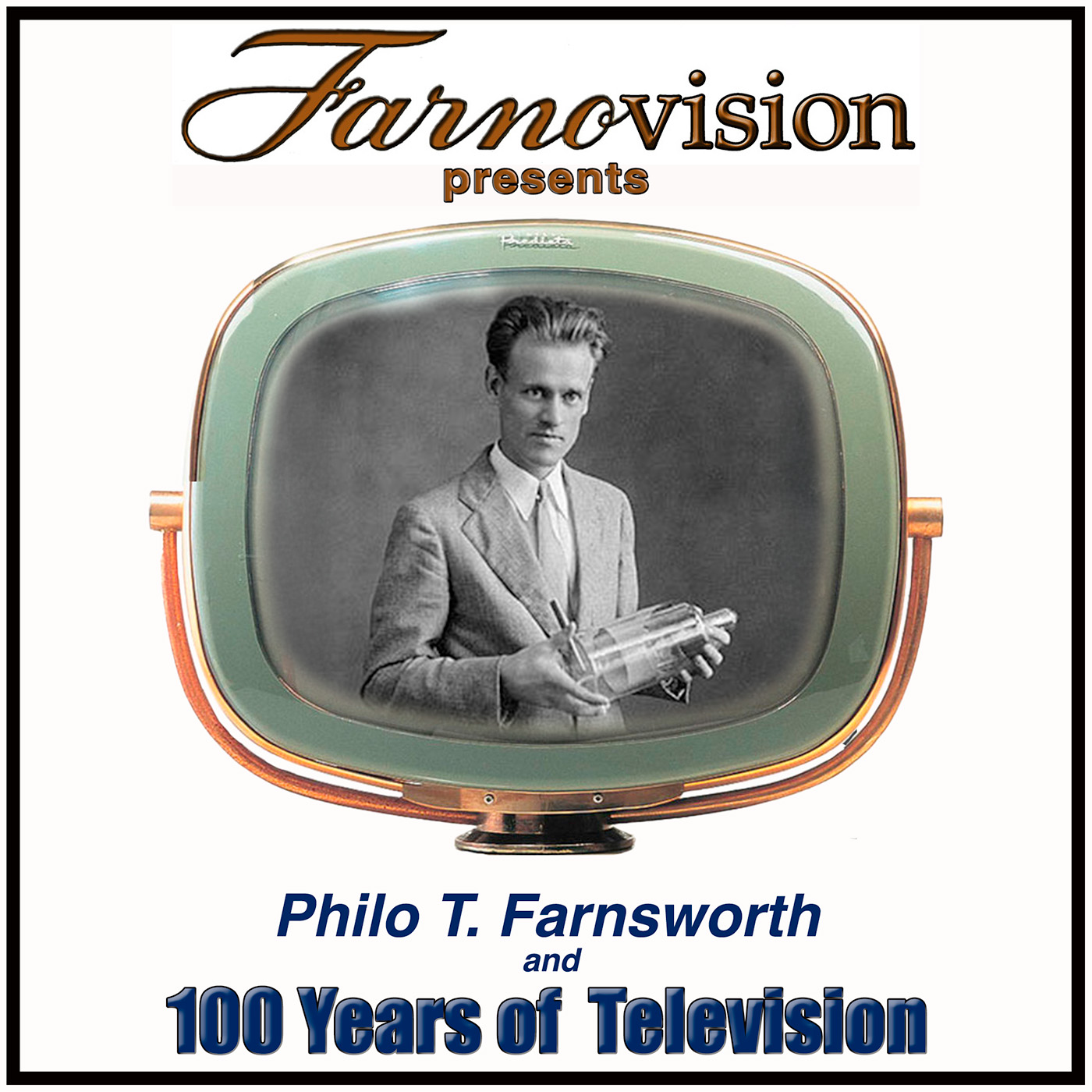
Despite the tremendous engineering strides made in the decade after its invention, by 1936 the commercial adoption of television in the United States remained mired in litigation between Farnsworth – who had invented it – and RCA's David Sarnoff – who wanted to control it.
There were no such impediments in the United Kingdom, where John Logie Baird started using the BBC radio airwaves for experimental television transmissions in 1929.
But by 1934, Britain's Marconi-EMI Television was experimenting with an electronic camera tube called "The Emitron" whch was identical to RCA's "Iconoscope."
The Emitron spelled the end of John Logie Baird's mechanical "Televisor" (and, in fact, the end of the era of mechanical television that begain in the 1880s). It also meant that the race for television in the U.K. was unfolding along the same lines as it was in the U.S.
A (colorized) 20 minute documentary of the BBC's entry into television can be found on YouTube:
https://youtu.be/jhCF8EDc4k8?si=BZkQWI2ymvqOzjXp