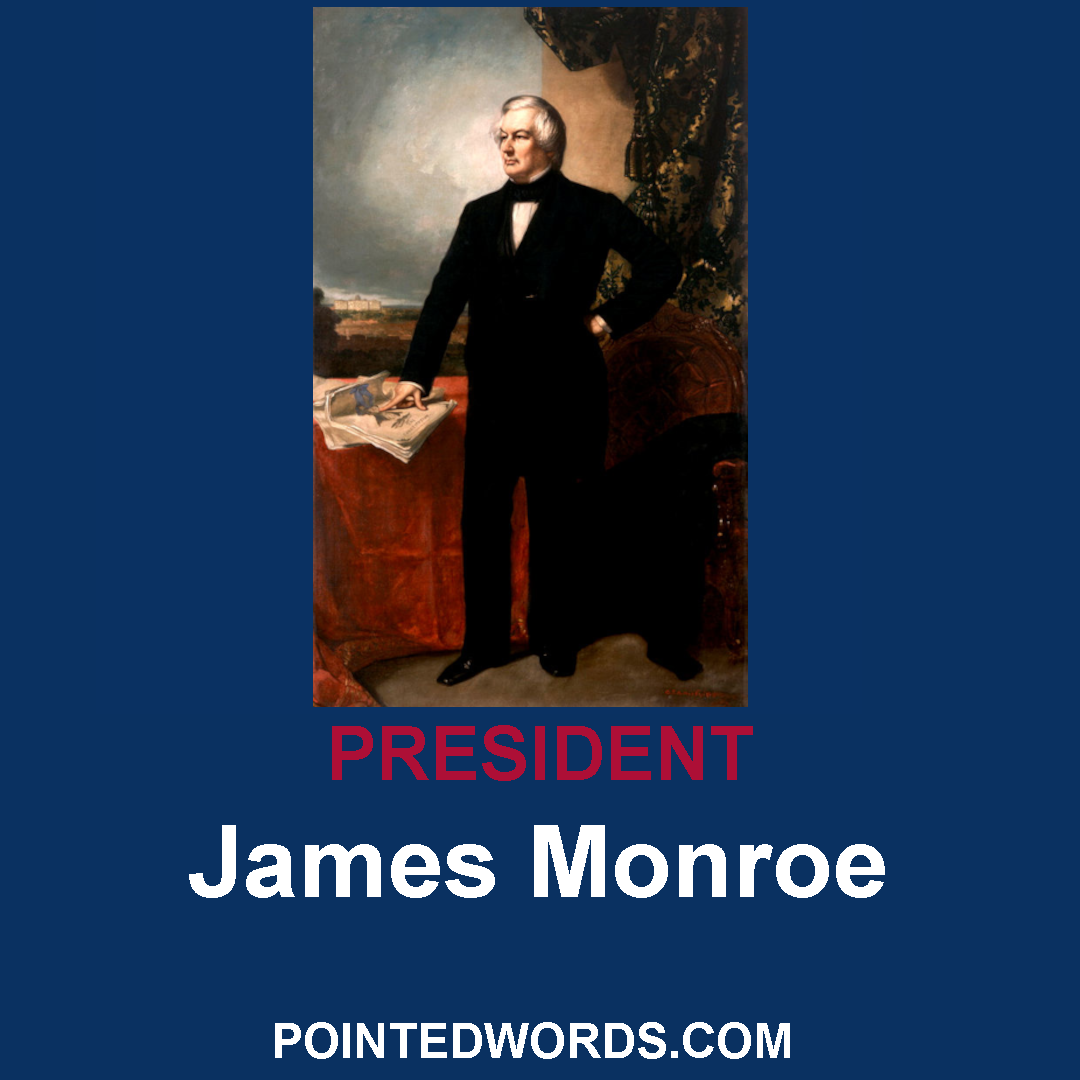
Millard Fillmore was the 13th President of the United States (1850–1853) and the last President to belong to the Whig Party. He ascended to the presidency following the sudden death of Zachary Taylor in July 1850, immediately pivoting the administration's stance to support the controversial Compromise of 1850.
His defining legacy is signing the Fugitive Slave Act of 1850. While Fillmore personally found slavery repugnant, he believed signing the law was necessary to preserve the Union. Instead, the draconian law—which forced Northerners to act as slave catchers and stripped accused runaways of due process—outraged the North, inspired Uncle Tom's Cabin, and ultimately destroyed the Whig Party.
Fillmore's origin story is one of extreme, desperate poverty. Born in a dirt-floor log cabin in upstate New York, he was apprenticed to a cloth maker in conditions bordering on slavery. He painstakingly educated himself, eventually marrying his teacher, Abigail Powers, and rising to become a wealthy lawyer and politician.
In foreign policy, Fillmore's most significant achievement was dispatching Commodore Matthew C. Perry and a fleet of U.S. Navy warships to "open" Japan to Western trade in 1853, permanently altering the balance of global power in the Pacific.
After being denied renomination by his fractured party in 1852, Fillmore ran for president again in 1856 as the candidate for the American Party (the "Know-Nothings"), a secretive political movement defined by intense anti-immigrant and anti-Catholic nativism.
"He saved the Union for a decade, but the price was his reputation, his party, and his legacy. Millard Fillmore is the forgotten President who signed the most hated law in American history."
Millard Fillmore: The Compromiser
Millard Fillmore represents the ultimate "American Dream" origin story, yet his presidency is widely considered one of the most disastrous in history. Born in a freezing log cabin in the Finger Lakes region of New York in 1800, Fillmore endured a brutal childhood. Apprenticed to a cruel cloth dresser, he essentially bought his own freedom, walking a hundred miles home to educate himself. He borrowed books, attended a one-room schoolhouse, and fell in love with his teacher, Abigail Powers, who guided him toward a legal career.
Rising through the ranks of New York politics, Fillmore became a protégé of the powerful Whig boss Thurlow Weed. He served in the U.S. House of Representatives, where he chaired the Ways and Means Committee, and was eventually elected Comptroller of New York. In 1848, the Whig Party selected him as Vice President to balance the ticket with Zachary Taylor, a Southern slaveholder. When Taylor suddenly died in July 1850 from a severe stomach ailment, Fillmore was thrust into the presidency during one of the most dangerous sectional crises in American history.
The country was tearing itself apart over whether the massive new territories acquired in the Mexican-American War (like California and New Mexico) would allow slavery. Zachary Taylor had opposed a grand compromise, but Fillmore immediately reversed course. He fired Taylor's cabinet, aligned himself with Senators Henry Clay and Stephen A. Douglas, and threw the full weight of the White House behind the Compromise of 1850.
The Compromise successfully admitted California as a free state and banned the slave trade in Washington, D.C. However, to appease Southern threats of secession, Fillmore signed the Fugitive Slave Act. This horrific piece of legislation denied accused runaway slaves the right to a jury trial and heavily fined federal marshals and ordinary citizens who refused to hunt down escaping slaves. The law radicalized the North, turning moderate abolitionists into militant activists.
By prioritizing a temporary political truce over moral justice, Fillmore signed the death warrant of the Whig Party. Northern Whigs...