Scott DeLuzio: [00:00:00] Thanks for tuning in to the Drive On Podcast where we are focused on giving hope and strength to the entire military community. Whether you’re a veteran, active duty, guard, reserve, or a family member, this podcast will share inspirational stories and resources that are useful to you. I’m your host, Scott DeLuzio, and now let’s get on with the show.
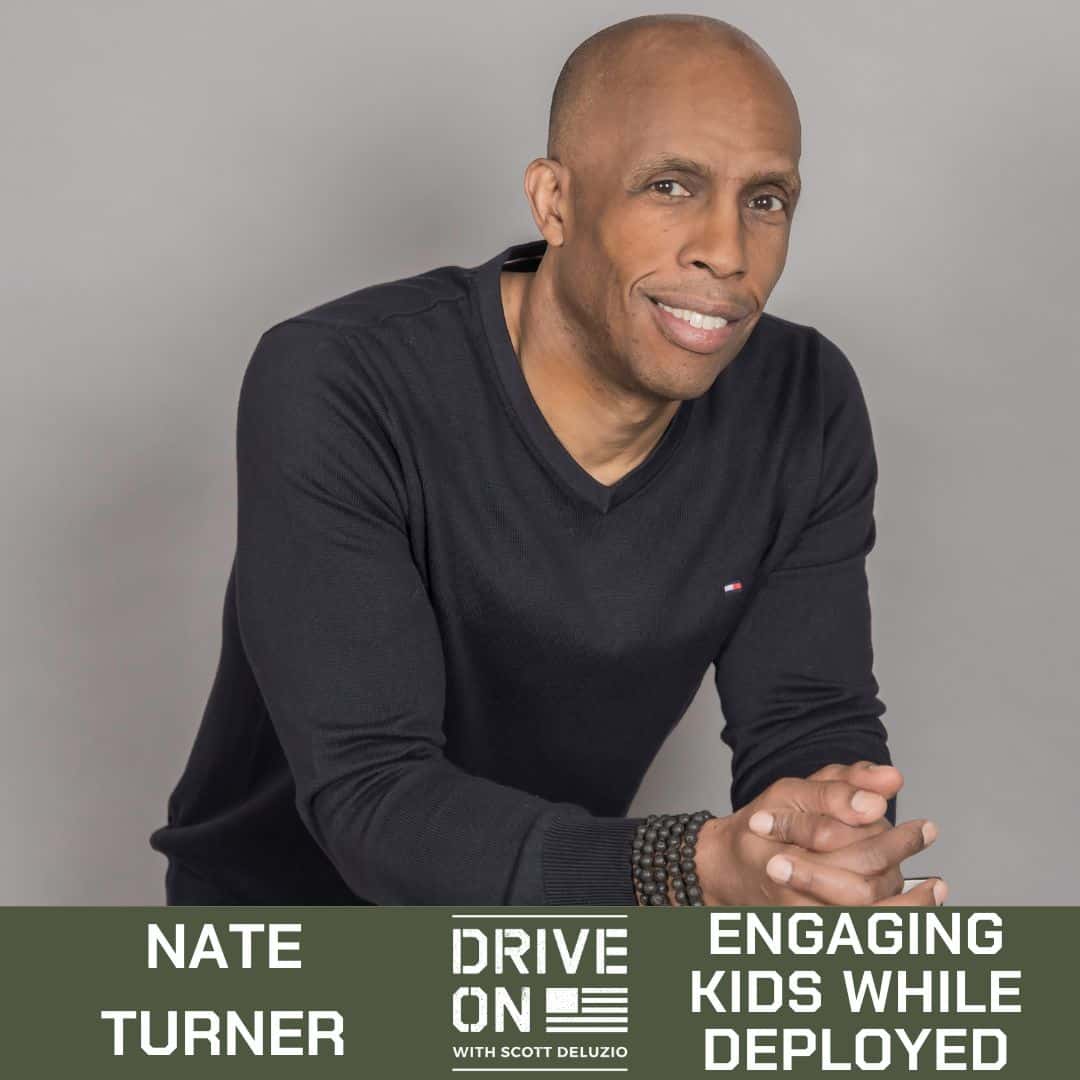
Hey everyone. Welcome back to Drive On. I’m your host, Scott DeLuzio. And today my guest is Nate Turner. Nate is a speaker, author, lawyer, and advocate for parenting and college readiness. And today we’re going to be discussing tools, techniques, and strategies for staying connected with your children during deployments and how to avoid common mistakes.
Social and educational problems when parents are not physically present. So, uh, before we get started, uh, and get into all of that, I first want to welcome you to the show, Nate. I’m glad to have you here.
Nate Turner: Hey, thank you for having me. And I’m glad you [00:01:00] extended the invitation. I’m really
Scott DeLuzio: Yeah, absolutely. Yeah. I think this is a, an important topic and one that maybe isn’t covered enough, um, with, within the military and the veteran community. Um, you know, just talking about, uh, you know, family life and the challenges that we might have, um, in, Just the day to day type of stuff, right? And just staying engaged, especially when folks are deployed.
So, um, can you maybe just start off, share some strategies for parents that, um, that they might be able to use to stay engaged with their children while they’re, they’re deployed or, or otherwise not at home, you know, they may be, uh, you know, away on a training exercise or something like that. Sometimes it.
They just can’t physically be there.
Nate Turner: Sure. I didn’t want to, so I’ll start with this, Scott. The reason that I’m here with you is because I have a son who’s now 29. Wow. Just turned 29. 30 [00:02:00] years ago, I started writing notes to a unborn child about the things that I wanted the child to know. I had this sort of feeling that I wasn’t going to live very long and, or, I was going to mess up our relationship like my, I believe my father had done with ours.
And so I wanted to write notes to the child to tell the child about how much I love the child. Um, as it turned out, when my son was two, he asked me to start writing him to, he wanted mail. And so I started writing him letters. And what I found from that, that that was a great way to communicate with him so that when he was 16, 13 years ago, when you were getting ready to leave the service, uh, He decided to move to Brazil, his own deployment, and I took those letters, put them in a binder, and I gave them to him.
So, one of the things I would suggest the parents do, is to write their children. Write them about the things that they would want their children to know. I have a good friend who gave me a book for Father’s Day that said, Dad, something like, Dad, tell me everything [00:03:00] about your life that I don’t know. And here’s a good opportunity to maybe start writing children about things about your life that they don’t know.
And now we also have video, so you could also use video. You could use YouTube and create a private channel that’s just for you and your family. And you could schedule the releases so that while you’re gone, you could release new episodes to your children about things you mig...