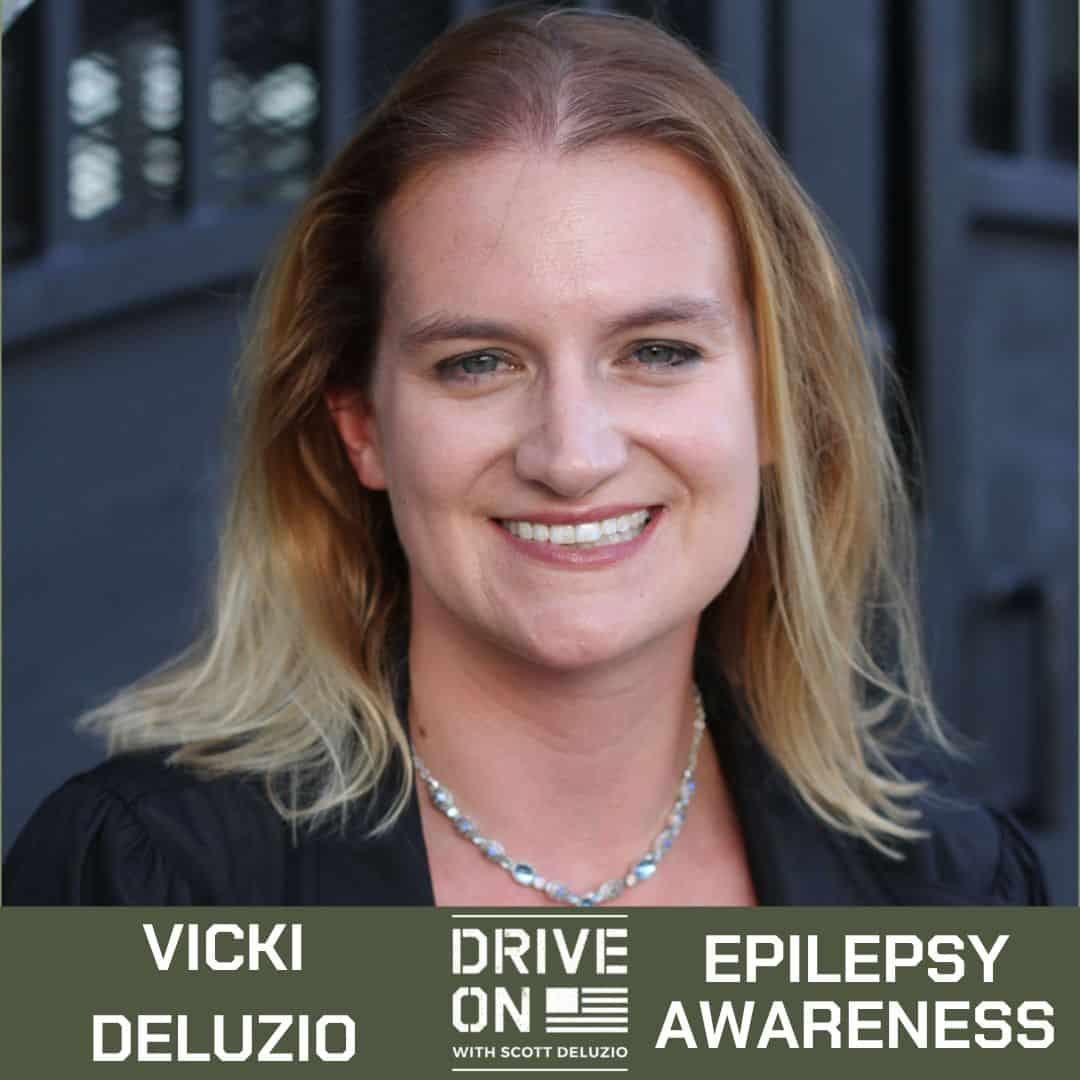
[00:00:00] Scott DeLuzio: Thanks for tuning in to the Drive On Podcast where we are focused on giving hope and strength to the entire military community. Whether you’re a veteran, active duty, guard, reserve, or a family member, this podcast will share inspirational stories and resources that are useful to you. I’m your host Scott DeLuzio and now let’s get on with the show.
[00:00:21] Scott DeLuzio: Hey everybody welcome back to the Drive On Podcast. Today, as you could probably tell, it’s a little bit of a different episode. The guest that I have is in person and also happens to be my wife. So, nice and easy setup here. We just walk down the hall together and here we are. So, today’s episode we’re gonna be talking.
[00:00:39] Scott DeLuzio: Epilepsy and specifically epilepsy as it relates to veterans and how they’re sometimes at a higher risk of being epileptic. Due to the nature of some of the injuries that they may receive IED blasts grenades, bombs, other things like that, that may have taken place [00:01:00] throughout their service could put them at a higher risk of epilepsy.
[00:01:03] Scott DeLuzio: And my wife here, Vicki, she unfortunately has some personal experience with epilepsy being an epileptic herself. And. She’s gonna talk on the personal side of things about how epilepsy has affected her since becoming an epileptic later on in life. This is only a few years ago that she became epileptic and how she’s been able to cope and manage with that since coming up with that.
[00:01:27] Scott DeLuzio: So, welcome.
[00:01:30] Vicki DeLuzio: Thanks, , all the way. I’m across the driveway. .
[00:01:34] Scott DeLuzio: Yeah. Right. So, let. First off, for people who maybe aren’t familiar with epilepsy, what is epilepsy and what kind of is the background on what epilepsy is all
[00:01:47] Vicki DeLuzio: about? So before my becoming epileptic I didn’t know that like one in 26 people will actually have some sort of seizure in their life.
[00:01:55] Vicki DeLuzio: And not all people who have a seizure become epileptic. [00:02:00] So, sometimes kids will have a seizure when they have a high fever and so they can have a seizure once in their life and never have a seizure again. So that doesn’t necessarily mean that they’re going to become epi epileptic. A lot of times people will have a trauma, like, they will hit their head and have a seizure.
[00:02:19] Vicki DeLuzio: Once again, that doesn’t mean they’re going to be epileptic, but they need to be careful because that brain trauma might cause them to have another seizure. So, but so much is not known about seizures. And the brain still, like, we have all this technology and we still don’t know a lot about the brain.
[00:02:36] Vicki DeLuzio: Epilepsy is a neurological issue. There are tons of neurologists out there, and even though there are tons of neurologists, they still don’t know everything about the brain. It’s a crazy thing. So, there are tons of different kinds of seizures. A lot of people think of the grand small seizures or that it used to be called a Grand Mall.
[00:02:55] Vicki DeLuzio: Now it’s called a tonic clonic and that’s when everybody [00:03:00] starts shaking. They’re out of it, and they just have that. Big earthquake shake is what I call it. I call it Vicki Quakes, where you’re totally out of it and you’re shaking on the floor. And people are like, put a spoon in their mouth.
<...