Hey everyone, thanks for tuning in. I don’t have a guest for today’s show, but I do have a topic that I think is pretty important that I would like to talk about.
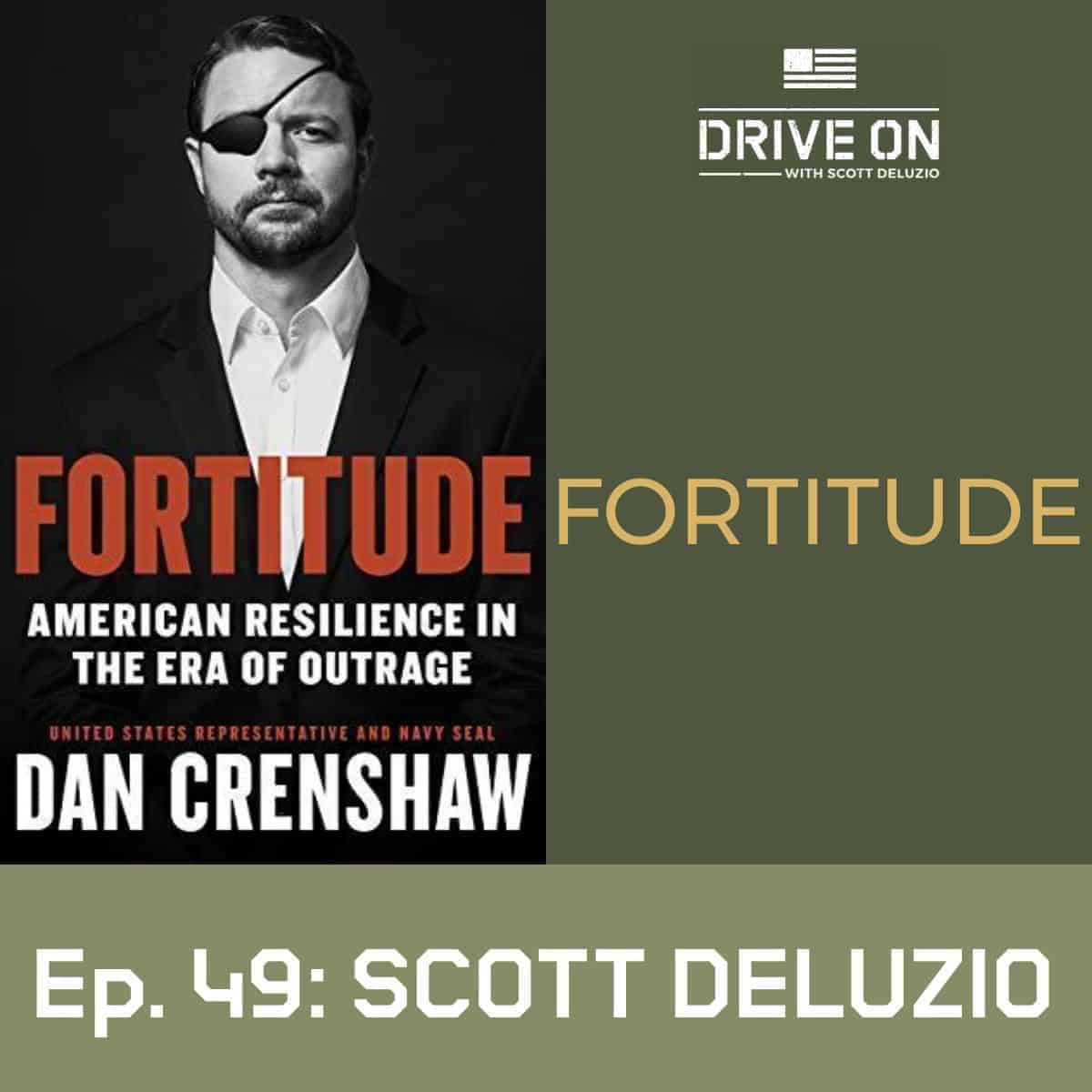
A couple weeks ago I read a book called Fortitude, by Congressman and former Navy Seal, Dan Crenshaw. The book is all about the current American outrage culture. Actually, I say American, but this outrage culture probably goes beyond our borders to parts of Europe and beyond as well. I’m not too concerned with those places though. The book talks about the American spirit, which in years past was characterized by resilient, gritty people. Think of The Greatest Generation. The folks, largely men, who fought and won World War II on both the European and Pacific fronts. The resilient people who survived the Great Depression. The women who went to work in the factories while their husbands were away at war. This is a group of people who suffered hardship after hardship, yet they came out with the ability to survive and solve the problems that are set before them.
Those were the people who would watch movies with rough and tough actors like Clint Eastwood and John Wayne. They were tough, resilient, and didn’t let a little setback, or hell even a big setback, defeat them.
In the book, Dan Crenshaw tells about how an IED destroyed one of his eyes and blinded him in the other. If it wasn’t for his persistence with his doctors and their skilled hands, he wouldn’t have recovered vision in his left eye. Then, not to let some little setback like getting blown the fuck up hold him back, he then went on to complete two more deployments, graduated with a Master’s degree from Harvard, then to represent the state of Texas in the US House of Representatives.
When faced with setbacks, or devastating news like this we’re faced with a few choices that we have to make. And these are choices. We can choose how we react to these situations. First, we can be overwhelmed by the adversity. We can shut down, get mad or frustrated all while angrily blaming others for our situation. We can yell about how we were wronged and how someone else has to fix the problem. On the other hand, we can accept the situation for what it is and adjust so that we can have the greatest chance of success.
Let’s take a quick look at Dan Crenshaw’s situation. He was blown up by an IED. Both eyes were severely damaged, with one being completely destroyed. He could have gotten angry at the guy who made the bomb. He could have blamed the guy who triggered the bomb to detonate. He could have been outraged at the US government for sending him to a miserable country that can’t even handle it’s own affairs. He could have been upset with the medics and the doctors who maybe could have done something more to save his eye. He could have been angry at his family for not talking him out of joining the military. He could have held a grudge against his teammates who didn’t spot the IED before it blew up.
Now, let’s think about all of those reactions. All of them are certainly understandable reactions. I mean I’d be pissed if I got blown up and lost my vision. I can’t imagine too many people who wouldn’t be. But what is the outcome of all of those reactions? Nothing will really change will it? Getting angry at the guy who made the bomb – I mean the guy didn’t exactly leave his phone number next to the bomb so it’s probably pretty tough to find out who it was, so what good is that going to do? Blaming the guy who stepped on the IED wouldn’t do any good either. Outrage against the government? I mean you could protest, but they’re probably not g...