Scott DeLuzio: 00:00:03 Thanks for tuning in to the Drive On Podcast where we talk about issues affecting Veterans after they get out of the military. Before we get started, I’d like to ask a favor if you haven’t done so already, please rate and review the show on Apple podcast. If you’ve already done that, thank you. These ratings help the show get discovered so it can reach a wider audience. And while you’re there click the subscribe button so that you get notified of new episodes as soon as they come out. If you don’t use Apple podcasts, you can visit DriveOnPodcasts.com/subscribe to find other ways of subscribing, including our email list. I’m your host, Scott DeLuzio and now let’s get on with the show.
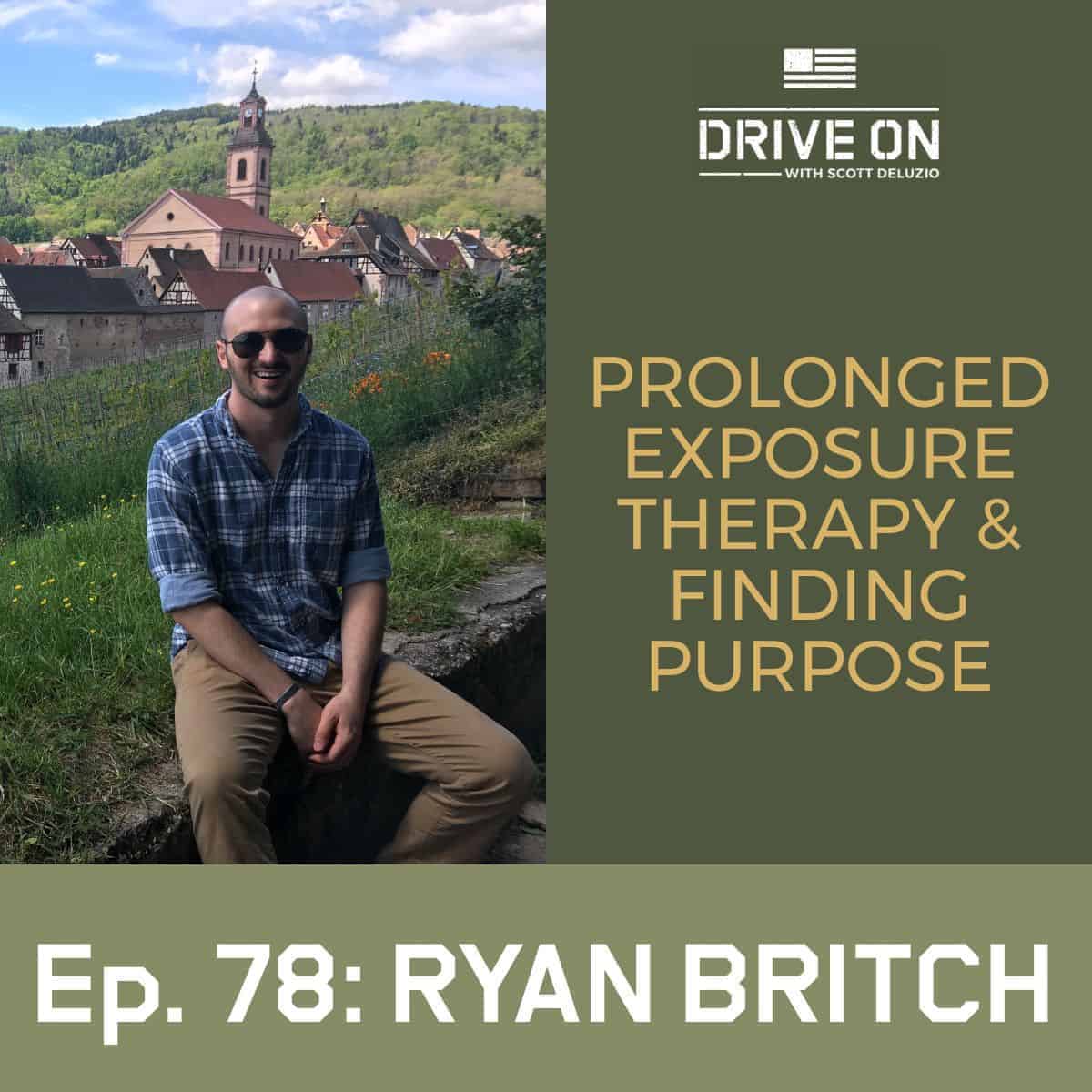
Hi everyone, today my guest is Ryan Britch. Ryan served with my brother in Afghanistan back in 2010 with the Vermont Army National Guard. He currently works for the Iraq and Afghanistan Veterans of America. Ryan, it’s great to get you on the show and to chat with you. Why don’t you tell us a little bit about yourself, your background and what you do with Iraq and Afghanistan Veterans of America?
Ryan Britch: 00:01:11 Scott first, it’s a pleasure to be on the show with you and thanks for creating this podcast and sharing all these stories for fellow Vets. So, my name is Ryan Britch. I grew up in very rural Vermont and graduated high school in 2009. I joined the Vermont Army National Guard because I wanted an adventure and grew up poor wanting to go to college. So, I thought it’d be a great opportunity for some college money. I joined Alpha Company, 3rd of the 172nd about two months before we were supposed to deploy to Afghanistan. I was assigned to be a saw gunner and third platoon first squad alpha team. Your brother, Steve was my team leader. Also in our team was Corey , he was our RTO and then our grenadier, Jesse Garcia. Steve was a pretty unique leader, made a really conscious effort to share his knowledge with us and to ensure that we were always safe from digging foxholes, eating chow, prolonged four hours of guard duty out at the Op or joking around and playing basketball.
Ryan Britch: 00:02:15 Steve was always with us. So, I’m always very thankful for the experience to be in Steve’s team and for everything that he imparted on me.
Scott DeLuzio: 00:02:26 Yeah. That’s awesome. A little background there and that personal story too. We had spoken last week, and you told me a little bit about his impact on your life and everything. I shared that with my parents over the weekend and it was good to hear those types of stories; who he was and who he’s impacted throughout his life. Because, you know, as people grow up and they become adults and they move on their own path, you don’t always know all of their friends and everything like that, and so it’s cool to hear these stories from people who knew him. That was one of the more selfish reasons why I wanted to have you on the show and talk with you, even though we talked the other day a little bit, but one of the reasons, there are a few reasons why I wanted to have you on the podcast, but one of them is that when we spoke last week, you told me about some of the therapy treatment situation that you went through after getting back, the Prolonged Exposure therapy.
Scott DeLuzio: 00:03:29 Would you mind going back a bit and telling us about what prompted you to start seeking this therapy and then we can get into what that’s all about and everything.
Ryan Britch: 00:03:40 Yeah, sure. I think I’ll backtrack a little bit first and...