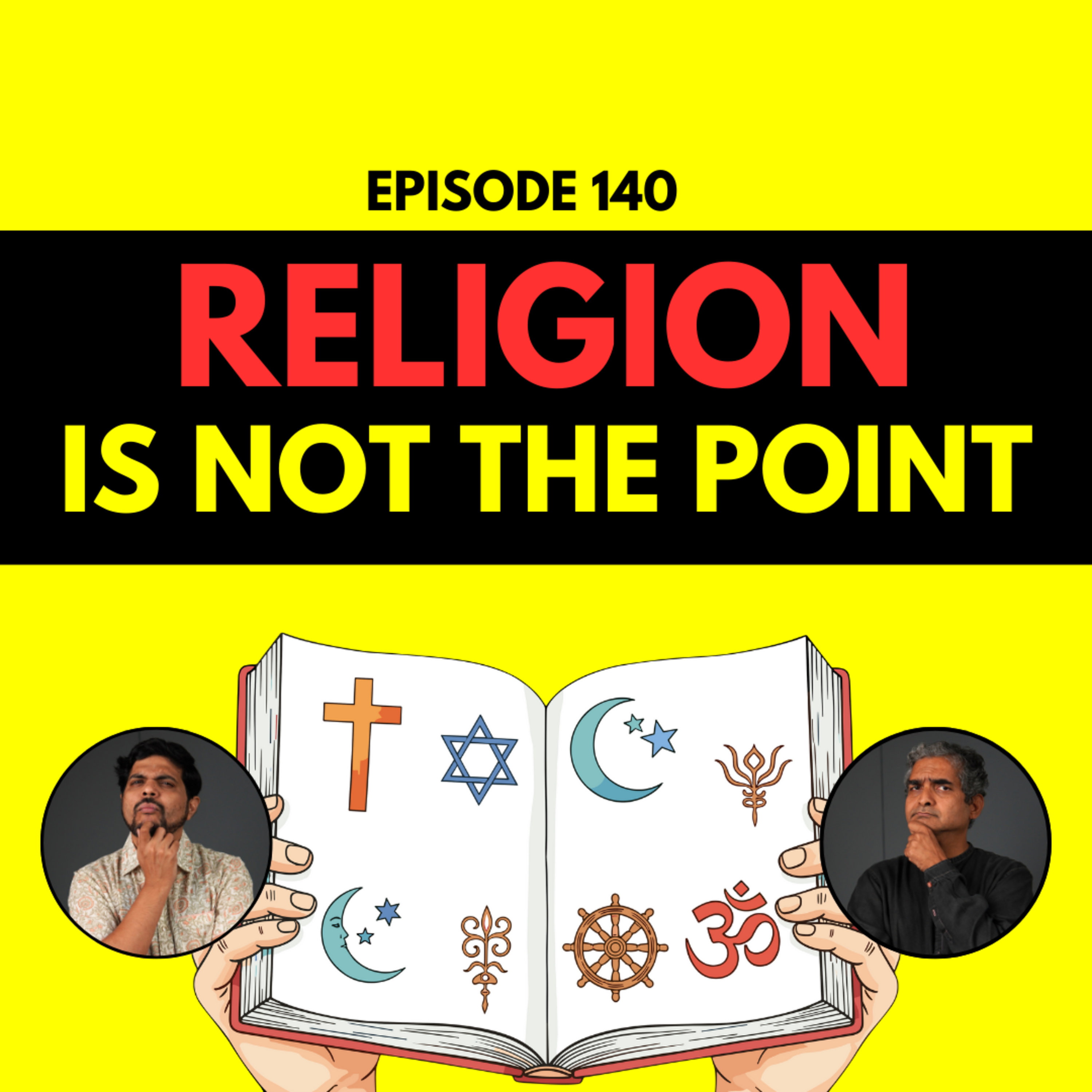
For most of us, the word ritual instantly points to religion. Something sacred, inherited, and rarely questioned. You either follow rituals because you were taught to or you reject them entirely, believing that thinking people shouldn’t need them. Both reactions miss something important.
Look closely at your own life. The way your day begins. That first cup of tea or coffee. The same route you walk when you’re stressed. The weekly call that somehow keeps a relationship alive. None of this is religious and yet it brings structure, calm, and predictability. These are rituals too. Quiet, secular ones that shape how you think and feel without asking for your belief.
This episode explores what rituals really are: repeated actions loaded with meaning that slowly influence behavior, identity, and emotions. We look at how personal rituals reduce anxiety, automate good habits, and give stability during chaos and why shared rituals create trust, cooperation, and a sense of “we” in groups.
But power cuts both ways. The very mechanism that builds habits and bonds can also be weaponized. When rituals become compulsory, sacred, and unquestionable, they stop being tools and start becoming instruments of control. History, politics, and even workplaces are full of examples where rituals are used to test obedience, suppress dissent, and fuse identity so tightly with a group that independent thought feels like betrayal.
Rituals aren’t dangerous because they’re irrational. They’re dangerous because they work. And once you understand how they work, you gain a rare advantage: the ability to design good rituals for yourself while recognizing and resisting the bad ones when they’re used against you.