Trouble ensues when we avoid saying what we actually need and expect the people we love to just know.
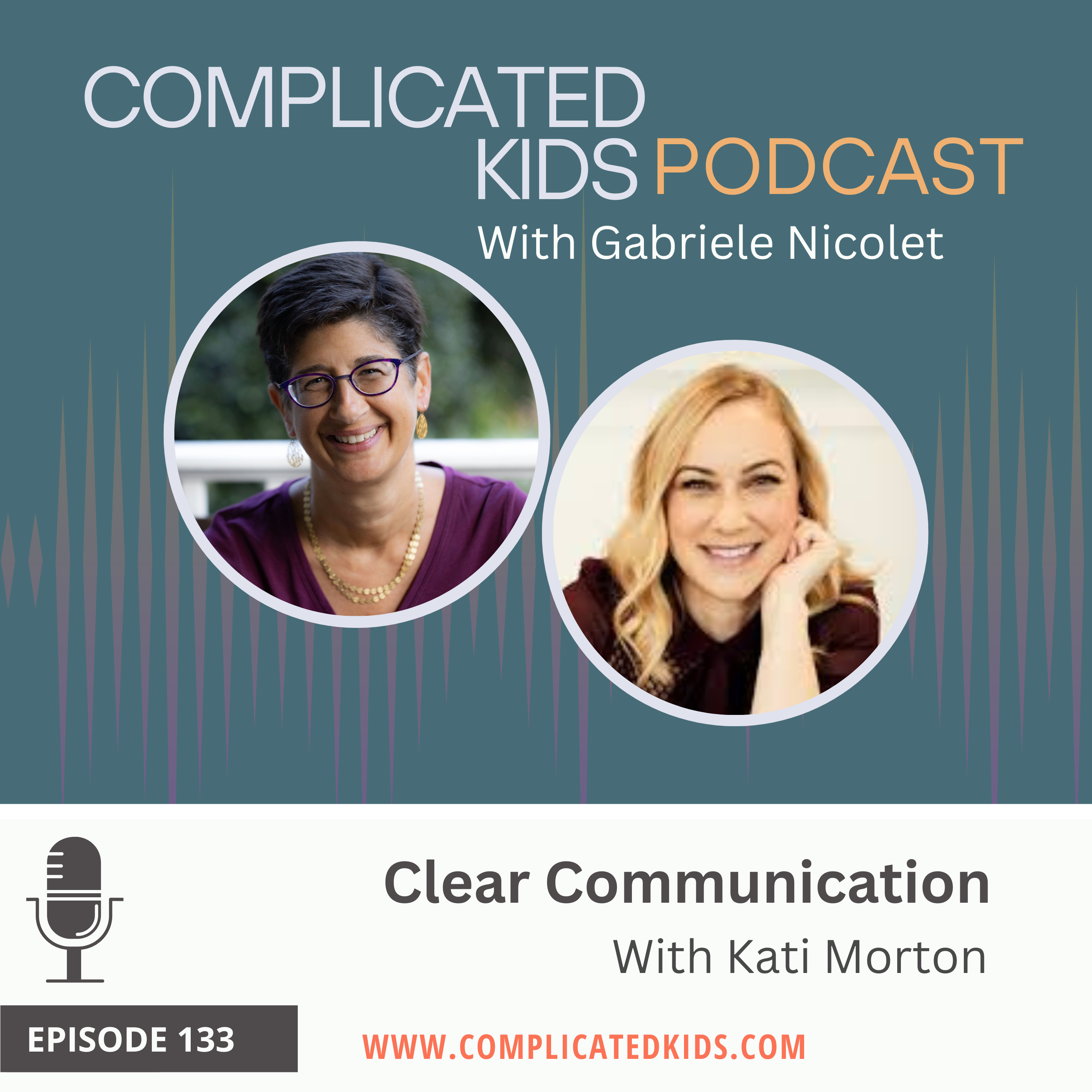
In this episode of Complicated Kids, I sit down with Kati Morton, a licensed marriage and family therapist and longtime mental health educator, to talk about why clear, direct communication is not just a nice-to-have, but a skill that can change relationships and, in some cases, save them. We dig into why so many of us avoid saying what we actually need, how resentment builds when we expect others to read our minds, and why discomfort is not something to run from, but something to move through.
Kati breaks down what clear communication really looks like in adult relationships, including when not to communicate (no trauma dumping), how to ask for help without blame, and what to do when you have spoken up and nothing changes. We also explore the DEAR MAN framework, how people-pleasing and control sneak into everyday interactions, and why letting someone help the "wrong way" is often better than doing everything alone.
This conversation is especially relevant for parents, particularly those raising complicated kids, because when our adult relationships are strained, unsupported, or full of unspoken expectations, that stress shows up everywhere. Clear communication does not make relationships perfect, but it does make them more honest, more resilient, and more human.
If you have ever thought, "Why do I keep doing this?" or felt stuck between staying silent and saying too much, this episode will feel grounding, validating, and surprisingly practical.
Kati Morton is a licensed marriage and family therapist specializing in eating disorders and self-injury. She has been creating mental health education content since 2011 and is widely known for translating complex psychological concepts into practical, real-world tools.
I'm Gabriele Nicolet, toddler whisperer, speech therapist, parenting life coach, and host of Complicated Kids. Each week, I share practical, relationship-based strategies for raising kids with big feelings, big needs, and beautifully different brains. My goal is to help families move from surviving to thriving by building connection, confidence, and clarity at home.
🌎 gabrielenicolet.com
📅 Schedule a free intro call: calendly.com/gabrielenicolet/free-15-minute-1-1-session
📺 Subscribe on YouTube: youtube.com/@complicatedkids
👾 Grab Tell the Story (anti-anxiety tool for kids): gabrielenicolet.com/tell-the-story
➡️ Instagram: instagram.com/gabriele_nicolet
➡️ Facebook: facebook.com/gabriele.nicolet
➡️ LinkedIn: linkedin.com/in/gabrielenicolet
🌺 Free "Orchid Kid" Checklist: raisingorchidkids.com/orchid-kid-check-list-sign-up
If Complicated Kids has been helpful, the best way to support the podcast is to follow, rate, and leave a quick review. It helps other parents find the show, and it means a lot.
If there's a topic you'd love to hear covered on a future episode, you can always reach out at podcast@complicatedkids.com. I love hearing what's on your mind and what would support your family.
Thank you for being here. 💛