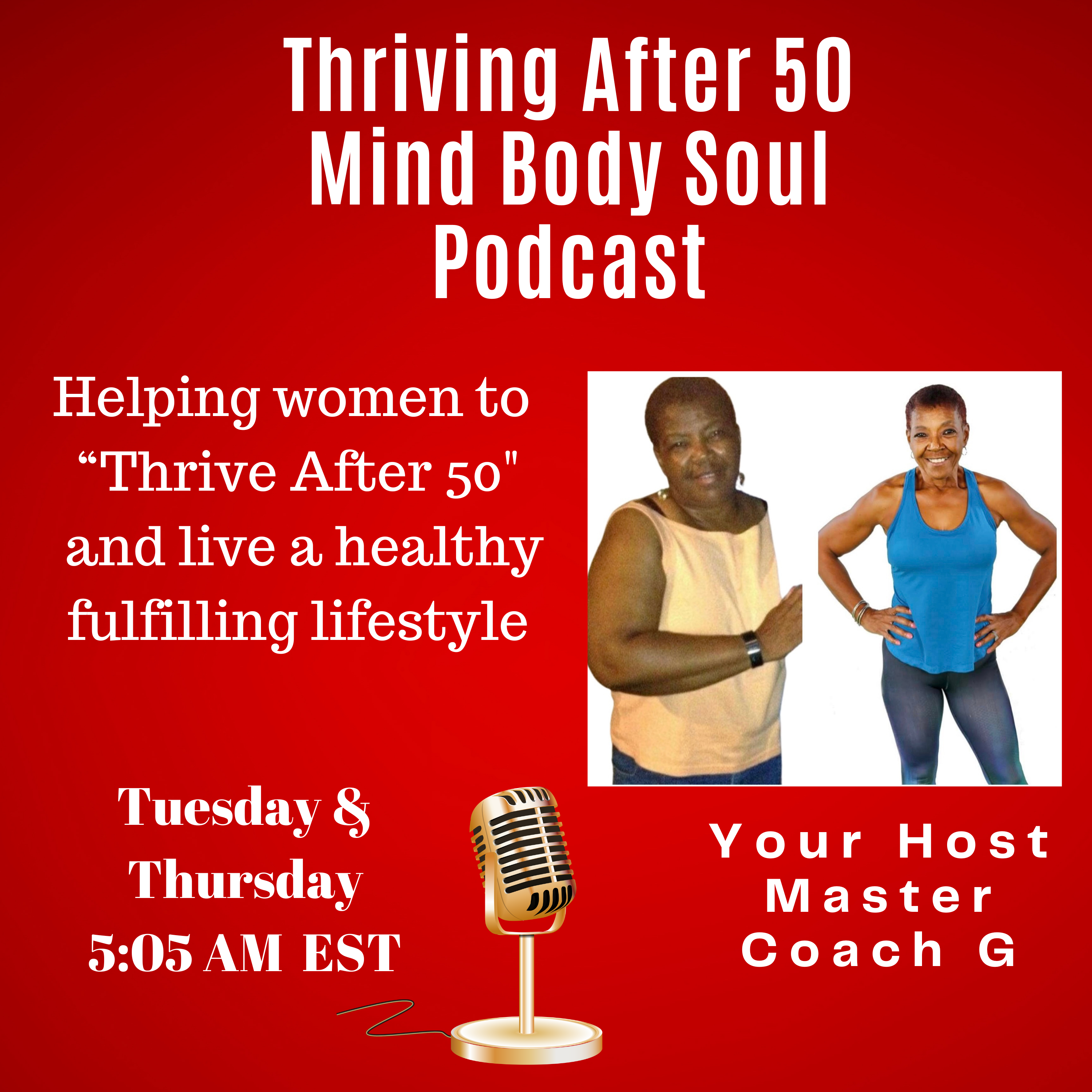
Benefits of Physical Activity Immediate Benefits. Regular physical activity is one of the most important things you can do for your health. Being physically active can improve your brain health, help manage weight, reduce the risk of disease, like high bp, hc, ha1c, diabetes and obesity strengthen bones and muscles, and improve your ability to do everyday activities. •Weight Management. To maintain your weight: Work your way up to 150 minutes a week of moderate physical activity, which could include dancing or yard work, swimming, jogging, aerobics, zumba . You could achieve the goal of 150 minutes a week with 30 minutes a day, 5 days a week. •Reduce Your Health Risk. Cardiovascular Disease Heart disease and stroke are two leading causes of death in the United States. Getting at least 150 minutes a week of moderate physical activity can put you at a lower risk for these diseases. You can reduce your risk even further with more physical activity. Regular physical activity can also lower your, A1c better manage your diabetes and improve your cholesterol levels and control your weight. Type 2 Diabetes and Metabolic Syndrome Regular physical activity can reduce your risk of developing type 2 diabetes and metabolic syndrome. Metabolic syndrome is some combination of too much fat around the waist, high blood pressure, low high-density lipoproteins (HDL) cholesterol, high triglycerides, or high blood sugar. People start to see benefits at levels from physical activity even without meeting the recommendations for 150 minutes a week of moderate physical activity. Additional amounts of physical activity seem to lower risk even more. Some Cancers Being physically active can also lower your risk for developing several common cancers . Adults who participate in greater amounts of physical activity have reduced risks of developing cancers of the: •Bladder •Breast •Colon (proximal and distal) •Endometrium •Esophagus (adenocarcinoma) •Kidney •Lung •Stomach (cardia and non-cardia adenocarcinoma) •Strengthen Your Bones and Muscles. As you age, it's important to protect your bones, joints, and muscles – they support your body and help you move. Keeping bones, joints, and muscles healthy can help ensure that you're able to do your daily activities and be physically active. Improve Your Ability to do Daily Activities and Prevent Falls •Improve Your Ability to do Daily Activities and Prevent Falls. Everyday activities include climbing stairs, grocery shopping, or playing with your grandchildren. Being unable to do everyday activities is called a functional limitation. Physically active middle-aged or older adults have a lower risk of functional limitations than people who are inactive. •Increase Your Chances of Living Longer. Taking more steps a day can also help lower the risk of premature death from all causes. For adults younger than 60, get in about 8,000 to 10,000 steps per day. For adults 60 and older, get in about 6,000 to 8,000 steps per day. •Manage Chronic Health Conditions & Disabilities. Regular physical activity can help people manage existing chronic conditions and disabilities. For example, regular physical activity can: •Reduce pain and improve function, mood, and quality of life for adults with arthritis. •Help control blood sugar levels and lower risk of heart disease and nerve damage for people with type 2 diabetes. •Help support daily living activities and help you become more independent for people with disabilities. Here's the challenge: Walk 30 mins a day 5 days a week for the next 30 days, once you develop the habit of walking take it up to 45 mins a day 5 days a week If you have an apple watch or fitbit challenge yourself to walk anywhere from 6,000 to 10,000 steps a day. That's what I have for you today and I hope this adds value to your life! Knowledge applied is POWER! This is Master Coach G and I'll see you on the next level!