Betrayal trauma occurs when you’ve experienced (or are still experiencing) your husband’s emotional and psychological abuse. If you recently found out your husband has been lying to you, using pornography, or other infidelity, here’s what you need to know.
If you relate and need support? Learn about Betrayal Trauma Recovery Group Support Sessions.
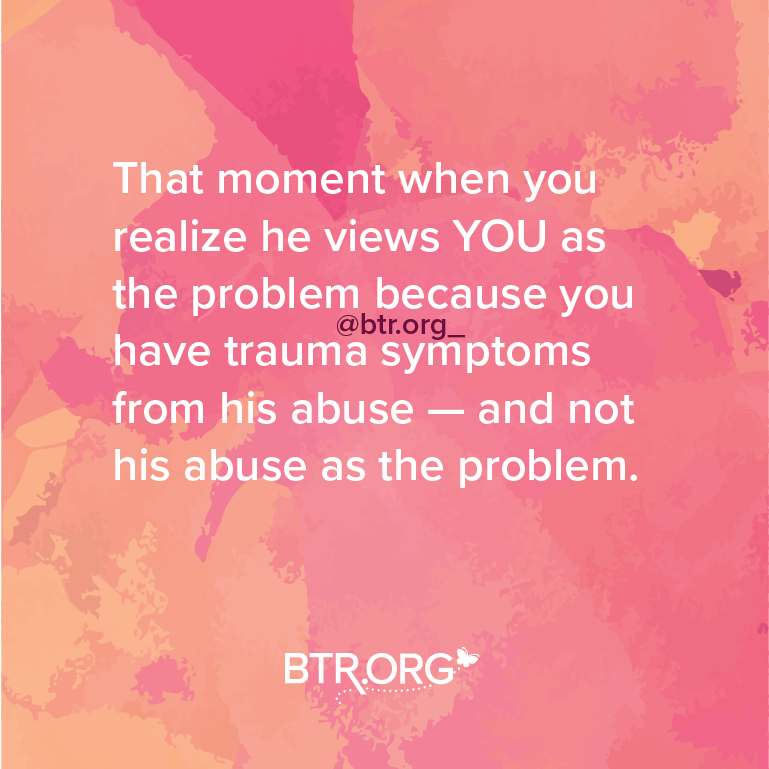
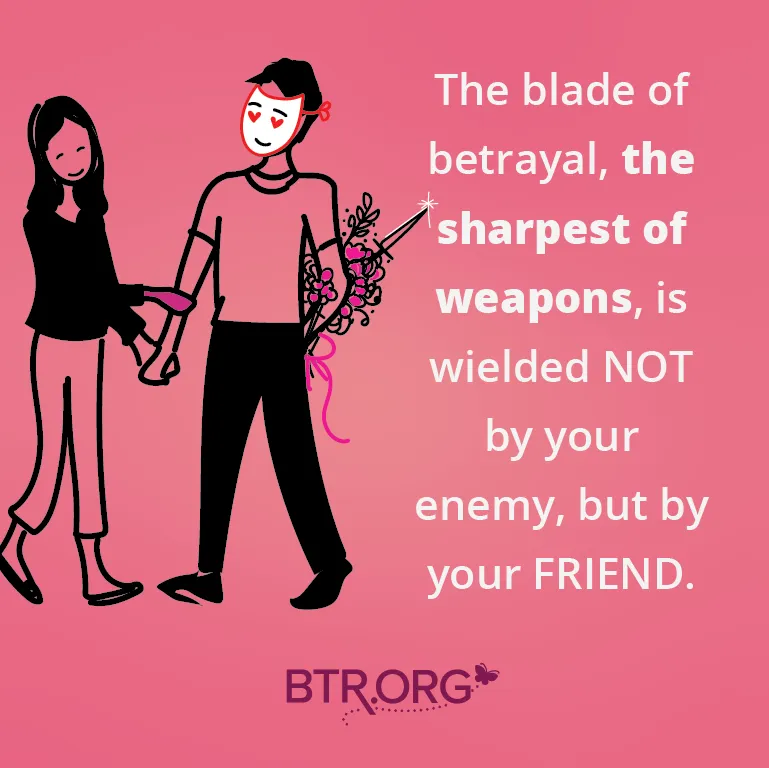
Betrayal Trauma is caused by your husband’s chronic and systematic betrayal. This betrayal includes infidelity in the form of affairs, hook ups, secret pornography use, etc, and is covered up or justified by emotional, psychological, spiritual, sexual, and financial abuse.
To discover if you’re experiencing any of the 19 types of emotional abuse, take this FREE emotional abuse quiz.
If you’re second-guessing whether you have Betrayal Trauma, look at the list of symptoms below. Keep in mind that not every victim will experience every symptom. And please remember – it’s normal to be deeply affected by your husband’s betrayal. You’re not crazy or overreacting.
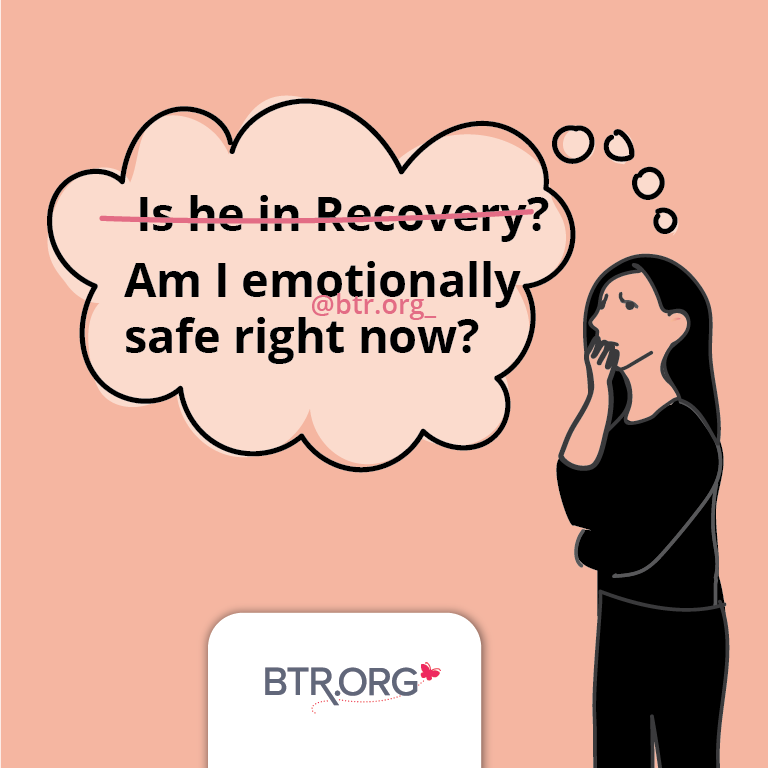
First and foremost, please offer yourself radical compassion. As you come to accept that you’re experiencing Betrayal Trauma. At BTR, we encourage victims to focus on their own emotional safety and wellness as the first priority.
To do that you need to learn more about what’s been happening to you. Listen to The FREE Betrayal Trauma Recovery Podcast. For more information about what’s really going on and how to find peace.
You didn’t cause your husband to betray you. But now that you know, you will need support. Please know that you are NOT alone. At BTR.ORG, we know the seemingly endless and daunting devastation of betrayal trauma.
The horror of realizing that your life is not what you thought it was. We understand the loneliness of waking up next to someone who has broken your heart. We know the anger and sadness that seems all-consuming.
Our BTR.ORG Group Sessions are a safe space for you to process these difficult feelings. And find a community of women who understand your pain. Attend today and begin your journey to healing.
Anne: It’s just me today. We’ll talk about betrayal trauma. I’d hazard to say, at least millions of women across the globe experience betrayal trauma. The best way to explain betrayal trauma comes from the Greek word wound. Trauma is the resulting wound from whatever occurred in an event or situation. If it injures us, we end up with a wound. So we can use either the word wound or trauma.
Trauma means going through something really upsetting that leaves a mark or a wound. This could be a wound on your body, like if you get hurt in a car accident or get shot. People can see these kinds of wounds. But trauma can also be something that hurts your feelings or mind, like if someone is mean to you all the time. This kind of wound is not visible, but it can still hurt a lot. All types of trauma come from things that are really hard to deal with.
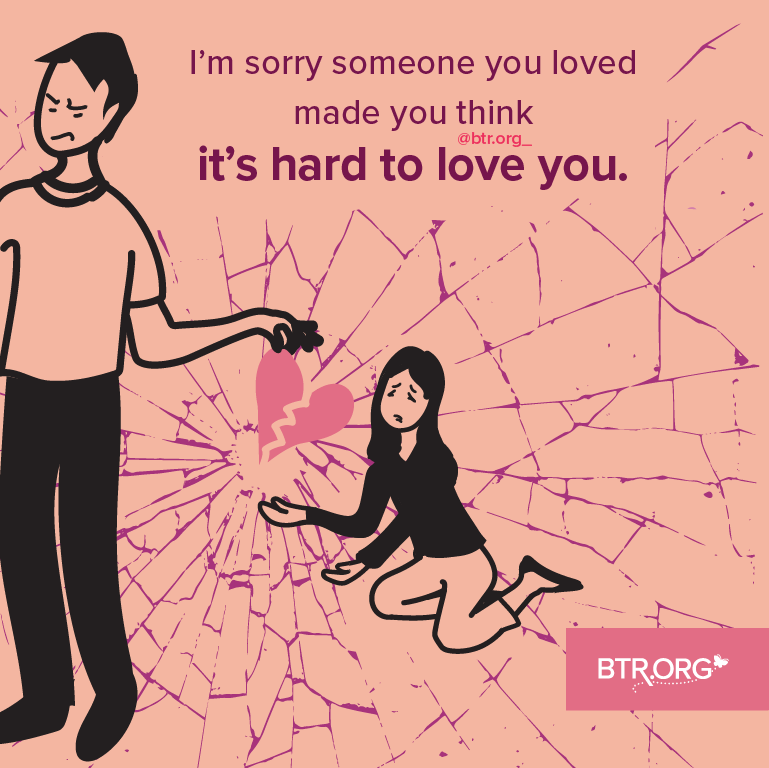
Psychological and emotional trauma isn’t visible to anyone, even the victim. Because no one can see it, and because generally men do not believe women. There’s this sense that the wound doesn’t exist. Instead, you’re broken, which isn’t true. This is where things get dicey. Because, if you have trauma and been wounded, there was a cause. A wound doesn’t just occur out of thin air.
Which is why men don’t listen to women. So the proof he injured her is their hurt or trauma. And if he’s the type to exploit and objectify women. He has no concept of her actually having an inner world.
Anne: If he’s using a hammer, he never thinks, is the hammer going to be injured? He doesn’t think the hammer has feelings? Or that it even could be injured. If it breaks, he might need to get a new hammer. So if it’s not working the way he thought it should, he might want to get a new hammer. A man with an exploitative character thinks about women in that way. She’s a tool, and if she’s not working. If she’s not useful. Then it’s time to get a new one.
This absolute denial that she’s capable of being injured because she’s a person. The denial that his actions will injure her highlights his exploitative character on a deep and profound level. Instead, he chooses to think that any distress she feels is her fault. Because she’s broken. So in his mind, if the hammer is not working, it’s a broken hammer. In fact, it’s the hammer’s fault, not his fault.
So In other words, if I’m unable to exploit her. And if she’s not acting like she’s “supposed to.” If she asks too many questions. If she’s sad or broken. That’s her fault, because she’s broken. This type of deep psychological and emotional trauma women experience is devastating.
Aggressions cause it, psychological and emotional. Sometimes in the form of grooming, so they feel good almost daily. The injuries caused by that abuse over time grows, grows and grows. But because you can’t see it with your eyes, it’s hard to know how this is happening. Betrayal trauma occurs when the person you trust the most. Your partner has and continues to violate that trust in an ongoing way.
Anne: Jennifer Frayed did some research at the University of Oregon. She described betrayal trauma as trauma that occurs when a person or institution. On which a person depends for survival, significantly violates that person’s trust or wellbeing. So other things that would cause betrayal trauma or these types of emotional and psychological injuries. Are generally considered things like childhood, physical, emotional, and psychological abuse.
Where a caregiver or someone that a child should trust and depend on violates that trust. By repeatedly injuring that child, not just through one physical event. But through emotional and psychological abuse almost daily.

Here at Betrayal Trauma Recovery we offer the best support for betrayal trauma. Is when we, as a wife, have been psychologically and emotionally abused continually by our husband. When he lies and gaslights us about his exploitative content use, his affairs, or any behavior outside the marriage. In this case, because it’s a marriage, and he has made vows and promises. There’s a reasonable expectation of trust. and honesty.
Here’s the thing that most people get wrong about betrayal trauma. They think the trauma or injury comes from the discovery that he’s been using. But the trauma actually grows daily. Through all of the lies, gaslighting, psychological and emotional abuse.
Anne: The long con causes the trauma. It started the day we met him. When he used grooming, emotional and psychological abuse to create a false narrative. When it’s revealed he’s actually not who we thought he was. That he has this whole secret life. We also discover that he had never been trustworthy. And has been injuring us since the day he met us.
Even though we can’t see it, we can sense it. We feel hurt and try to explain it to others. Or talk to a therapist or a pastor about the pain. We think it’s just a small problem, but it turns out to be much bigger, affecting our body and mind more than we thought. When we ask for help, neither we nor those helping us realize that we’re still getting hurt.
We don’t see, and they don’t educate us. That those injuries came from and continue to come from emotional and psychological abuse. And we are still in danger. Then they also injure us. Because if the source of the injury hasn’t been accurately named, the cause still exists. Our injuries will continue to grow. Unfortunately, in religious settings, this can also cause spiritual injuries for women of faith. Because he keeps us in the dark about what’s happening.
We may question, does God love me? Does he even care? Because clergy doesn’t accurately see that a perpetrator actively harms her and causes injuries. They fall into that misogynistic trap of thinking. Because she hasn’t prayed enough or read her scriptures. Or because she doesn’t have enough faith. And she is just acting like this, because she’s broken. Rather than seeing the truth.
Anne: There’s a serious problem, she’s injured and needs help. Clergy could act as the Savior would. And help deliver these women from these injuries. So they could actually heal. But instead, they usually don’t acknowledge the cause of the actual injury. Instead, they grow the trauma by calling her broken. Which is emotional and psychological abuse in this case. Because she’s not broken. It is a lie.
As you listen, do you identify with the word trauma? Would you describe your experience? When you found out your husband used online exploitative content. Or had an affair, solicited prostitutes or texted inappropriately with a coworker? Would you describe that experience as traumatic? And then also looking back and realizing all the gaslighting and lies?
If you relate to the word trauma, we have our daily Betrayal Trauma Recovery Group Sessions. Where women share their experiences. I’d also be honored to hear your story. If you’d like to share your story on the Betrayal Trauma Recovery Podcast, email podcast@btr.org.
Anne: If you have betrayal trauma, here are 26 betrayal trauma symptoms that you may be experiencing:
Feeling helpless, hopeless, sleepless, restlessness or overachieving. Additionally feeling anger, rage, fear, forgetfulness, difficulty concentrating, difficulty focusing or reading. Feeling hypervigilance, sensitivity, anxiety, nightmares. flashbacks, or intrusive images. Also, you may relive conversations or events, feel immobility, agoraphobia, withdrawing, and avoidance. Avoidance of things you want to do, mood swings, panic attacks, depression, confusion, or disassociation.
Maybe the inability to eat. Or overeating, chronic fatigue, immune endocrine system problems. Lastly, tight and sore muscles. Although I could actually go on and on. Betrayal trauma victims will experience symptoms like this. From the very first day they meet this abusive man. They might end up going to therapy for years. Misdiagnosed with depression. Not realizing they’re depressed, because they’re injured.
Anne: So the key to healing from betrayal trauma is: First, recognizing exactly what is causing the trauma. Then putting some distance between yourself and the harm. In fact, I describe exactly how to do that in the Betrayal Trauma Recovery Living Free Workshop. The Living Free Workshop helps women determine if their husband has an exploitative character. Music can also help in processing the trauma, here are some songs about healing from trauma.
After the workshop, you can clearly see what his true character is. Then if he has an exploitative character, it will teach you emotional and psychological safety strategies.
If you’re new to this whole concept of betrayal trauma. Listen to The FREE Betrayal Trauma Recovery Podcast. Also, we’re on YouTube, search for our channel Betrayal Trauma Recovery.