One of the most important things to know before getting engaged is something rarely talked about. The most important thing for women to know before they get married is how to recognize dangerous behaviors after the marriage begins.
If your husband starts to exhibit behaviors he never exhibited before marriage, it’s likely that the man you fell in love with was a mask he wore to coerce you to marry him. This means you’ve been experiencing emotional and psychological abuse the entire time.
Learning the 19 different types of emotional abuse is essential. Our free emotional abuse quiz will help you see if what you’re experiencing is harmful to you.
Anne: One of the most important things to know before getting engaged is something that women rarely talk about. I’ve never heard it talked about at a wedding shower.
And the truth is there’s never a good time to talk about it. It’s always awkward and difficult, and we’re gonna try today.
The reason it’s so important to talk about is because so many women have experienced it, and they don’t even know what it is. So Wendy, a member of our community, is here to share her story. Welcome Wendy. Why don’t you start wherever you feel comfortable?
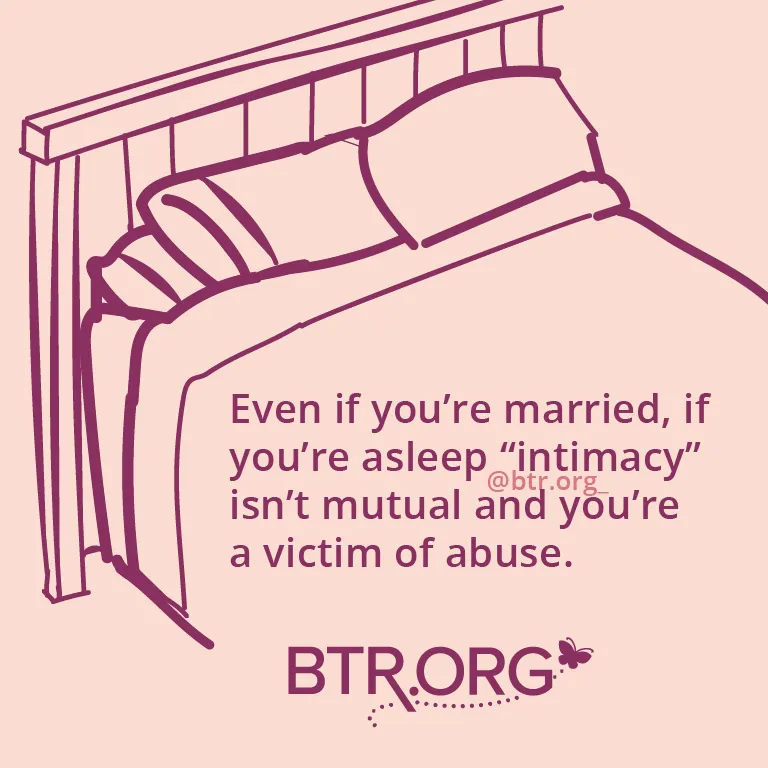
He disclosed every so often that he viewed this. And of course, it seemed like it was just that one time. I’m a heavy sleeper, and I distinctly remember waking up a few times, feeling like I had had intercourse, but I didn’t remember.
I remember feeling worthless, and I felt like everything in our relationship that was wrong was my fault. Because I didn’t enjoy it with my husband. And that’s when I discovered this whole new world. And I found out way more than I guess I ever wanted to know.
Anne: I totally understand. At 30 I was a Virgin and so excited. I’m not a prude by any stretch. We married, and after two days of, I was like, this is miserable. I felt like an object. The whole experience, everything around it was awful too. I just felt used and worthless. And then afterward I’d say something like, what are you thinking about?
Hoping that he would connect with me in some way. And talk about me or us or something. But pretty much every time he’d say something like bike parts, and he’d be like staring into space. It felt completely disconnected. and. After a while, I was like, this isn’t fun for me at all. And this has nothing to do with me. It’s all about him.
From then on, I didn’t want to, but I continued to initiate because I thought I had to. I thought it was my job. I thought it’s like a chore that I check off the list. And I did not realize that that was coercion.
Wendy: Right, I enjoyed it when we first married. But then I suffered from what I thought was postpartum depression.
Wendy: I couldn’t even sleep in our bed. I slept on the couch. So I went to counseling and was better for a while. But I always felt like everything was my fault, and any issues were my fault. And there were people around me saying the same thing. Someone even told me that I should have it with my husband anytime he wanted. And that made me feel terrible. And I didn’t tell my husband about that. I kept that to myself. I just felt so worthless.
For a while, I was like, Oh, well, my husband never abused me. I really thought that and then. In the school library online, I was looking for studies on abuse in marriage, and I was coming up empty. I found stuff on abuse and marriage in Nigeria and a couple other foreign countries. But I didn’t find anything on it in general or even in the U.S. And there aren’t any statistics. So that’s why I was unable to find any statistics.
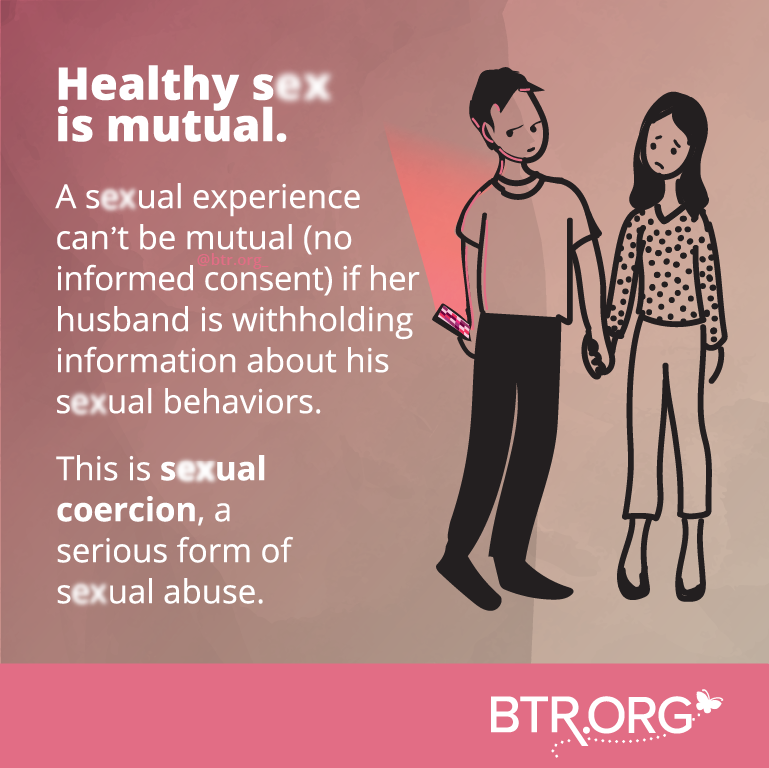

Wendy: It talked about coercion. I had mostly experienced the coercion. And then it led me to other resources. As I learned more about this topic, I thought, that is exactly what happened. My husband did do this to me, but it was the coercion part that struck me and hit home. And then he admitted to doing this to me in my sleep. I don’t want other women to experience the same thing I experienced for so long.
Anne: It’s absolutely is, and a man can do this to his wife for years without her understanding what’s actually happening.
Let’s go back to coercion. Cause it’s something I talk about so much here on the podcast. What did you learn about coercion in your research?
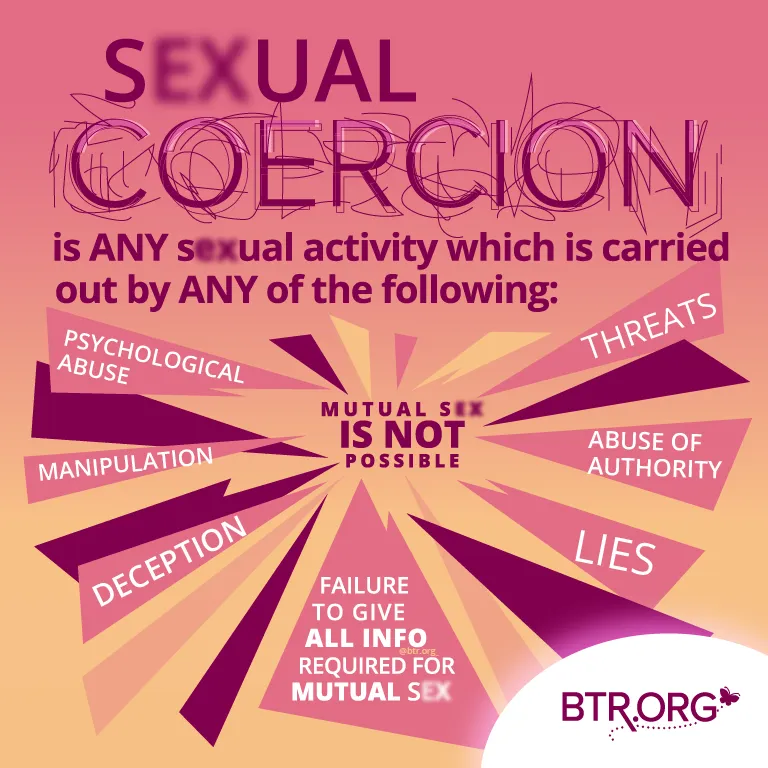
Wendy: Sure, the first thing they mention is making you feel like you owe them because you’re married to them. You’re in a relationship, they spent money on you, they bought you a gift. They give you drugs and alcohol to loosen up your inhibitions, playing on the fact that you’re in a relationship. Saying such things as it is a way to prove your love for me.
Wendy: If I don’t get it from you, I’ll get it somewhere else. Reacting negatively with sadness, anger, or resentment. If you say no or don’t immediately agree to something. Continuing to pressure you after you say no. Making you feel threatened or afraid of what might happen if you say no. And trying to normalize their expectations. For example, I need it, I’m a man. Mostly it’s like trying to make you feel obligated. to have it with them.
Anne: So many women feel obligated to have it with their husbands. They don’t want to, but they’re worried about the consequences if they stopped.
Wendy: Right, yeah
Anne: On the flip side, they could be abusive to you because they’re hiding things, and maybe hooking up with people. And they’re not initiating with you at all. Because they are spending all their energy outside the marriage
Wendy: Right, and actually one of the studies I looked at mentioned that withholding can be a form of abuse.
Anne: That’s something the abuser will do. The abuser will say she’s withholding. She’s abusing me. But withholding is completely different than not having it with someone, because they are emotionally and psychologically unsafe.
Wendy: Exactly.
Anne: This is why this issue is so difficult with therapists or clergy or other people who don’t understand coercion. Is they’ll say, well, wife, you’re the abusive one because you are withholding. Then, because they believe men need it or they’re going to die or something. If you feel uncomfortable having it with him. That justifies him having it with prostitutes or multiple affairs.
Anne: A man will not die if he does not have it. If so, what, all boys would die instantly when they were 12 or something?
Wendy: Right, yeah, it doesn’t make any sense.
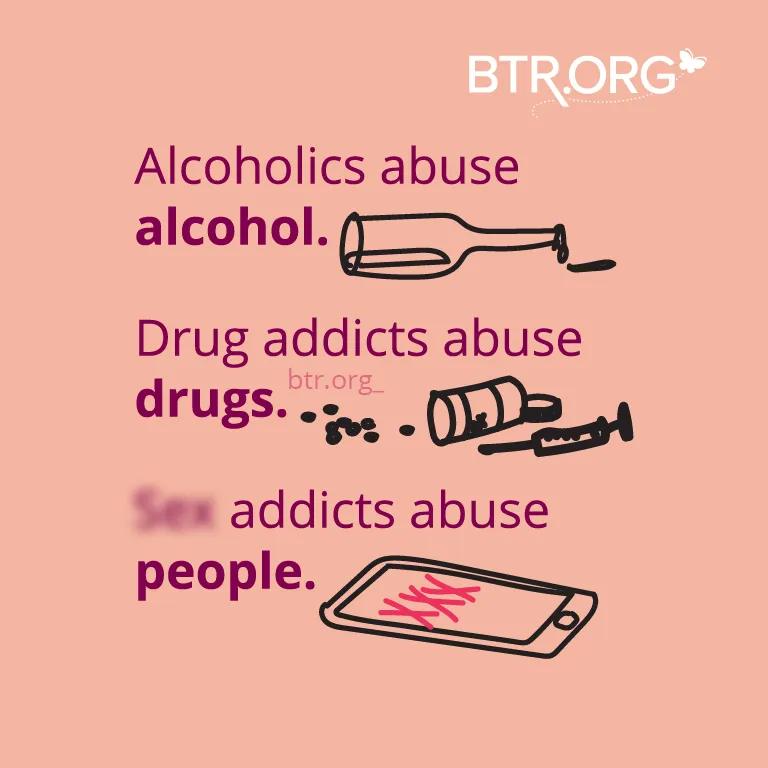
Wendy: Personally, I didn’t realize that a mutual agreement between the partners about what they want needs to happen every time, and just because you’re in a relationship doesn’t automatically give consent. One of the things you talk about is safety.
Anne: Yeah, safety is huge. If you want it to be mutually beneficial and emotionally and psychologically safe. Then you need to know the truth. That’s information you’d want to know just to be in a relationship with him, let alone have it with him.
Wendy: Right, exactly. And there are lots of women that end up with an STD or an STI, and a lot of times the husband’s like, I don’t know how you got that. You got that from the toilet. You know, Anne, there’s one thing the National Domestic Violence Hotline website says sticks out.
Wendy: It’s not consent if you’re afraid or unable to say no. So it’s not consent if you’re manipulated, pressured, or threatened to say yes. It’s also not consent if you’re unable to legitimately give consent, which includes being asleep, unconscious, or under the influence of conscious altering substances like alcohol. Some prescription medications and other drugs.
Anne: Or if he’s purposefully hiding information from you. If he’s lying to you, that’s manipulation. If you think he’ll sleep with someone else, if you don’t have it with him, that’s a threat. And If you think he’ll divorce you if you don’t have it with him, that’s a threat. If you think he’ll be sulky all day, if you don’t have it with him, that is a threat.
So when it says manipulated, pressured or threatened. To see us think about all the different ways, they threaten us most of the time, extremely subtly.
Wendy: Yes, that also goes on in the manipulation. Because they’re already manipulating you. I thought it was interesting, because a lot of times they just talk about the abuses and physical assaults. That’s what TV and movies show.
They don’t show this other stuff. And so I thought it was really interesting that the National Domestic Violence Hotline includes that in their information about consent and abuse by coercion.
Anne: Yeah, I received a review from a man who said this podcast wasn’t great. Because my definition of abuse is different than the standard definition. And it’s legit, the definition of coercion we use here is the basic definition of coercion that the National Domestic Violence Hotline uses. I think he just doesn’t want to admit that this can happen to women for years by their own husband and not know.
Anne: Here’s an example of how women don’t know they’re being harmed by this. I have a wonderful friend. She believes in not having it until marriage, and she was dating someone. And she said something about how she’d gone too far. I was like, what do you mean?
And then she said, well, I don’t know. I didn’t want to have it. I kept saying, no, I tried not to, but then we did have it. and she just had this confused look on her face. And I told her what had been happening. And it was like I had punched her in the stomach. It was not until that moment that she realized this, and not just once. Multiple times over the three years she dated him. And I hugged her, and she backed away from me.
She was obviously extremely traumatized, and this was a trauma response. And she was having maybe a panic attack. She was breathing heavily. She put her hands on the counter, and it took her a while to calm down. When she did, she said, I didn’t realize until this moment that my boyfriend had done this to me for three years. And so many women tell me the same story about what their husband chose to do to them.
Most of the time when I talk to women before they realize what’s happening. I ask, are you being abused? They tell me no. We have a rough marriage, we have communication issues. We have intimacy issues.
Wendy: And I think it makes it harder, because my husband didn’t punch walls. If we got into an argument, he would shut down completely and keep it all in. And so it took me a while to realize that I had been abused. You know, there was gaslighting. He always minimized my feelings, because he didn’t think I should ever be angry about anything. It never dawned on me, I would have answered the same way. I would have said, no, I don’t think I’m being abused.
Anne: We need to educate women about this type of abuse, so that women can have words for what’s happening to them. Many people discourage women from thinking their husband is abusive in this way. Because they’re worried about her reporting and then going through a very difficult legal situation. I don’t want anyone to think I am suggesting you report this. You can, if you would like, but the likelihood of him actually being prosecuted or pleading guilty is extremely remote.
If this discussion makes people uncomfortable because they’re like, well, then you have to report. Nothing about this episode is about reporting it. You don’t need to report it. I think knowing what’s happened to you is helpful for healing. The most important thing is that you know what happened. And, that you know the truth. And that’s why it’s so important for women to have a place where they can talk about it.
Or talk about when they realized their husband had been doing this to them for years and they didn’t know. The question of whether you’re going to report it or not doesn’t even have to come into the discussion.
I created The Living Free Workshop for women to get to safety, and to know what strategic actions to take.
Wendy: Finding somebody to talk to who is going to be supportive, that’s not going to say, “Well, you’re just making that up.” or “There’s no way, because he’s such a good guy.” Reaching out for support is helpful. Really, understanding what it is and what you’ve been through, and knowing that you’re not alone. I think those are the two biggest things that are helpful.
Anne: Yeah, I couldn’t agree more. At Betrayal Trauma Recovery, your emotional and psychological safety. is our absolute top priority. Our coaches can help you process what you’ve been through and support you as you make your way to emotional safety. In whatever way that’s going to look like in your specific situation. Everybody’s journey looks different, and they’ll support you in what you decide. It’s just so important that when you go for help, you get it from a safe person.
Wendy, thank you so much for contacting me. You are so brave, and you can talk about this difficult topic in such an unflinching way. It’s so important that we do. It’s one of the most important things to know before you get engaged. And your example will help so many women. So thank you so much for the suggestion to talk about this and for being willing to share your story. I appreciate it so much.
Wendy: Awesome, thanks for having me.