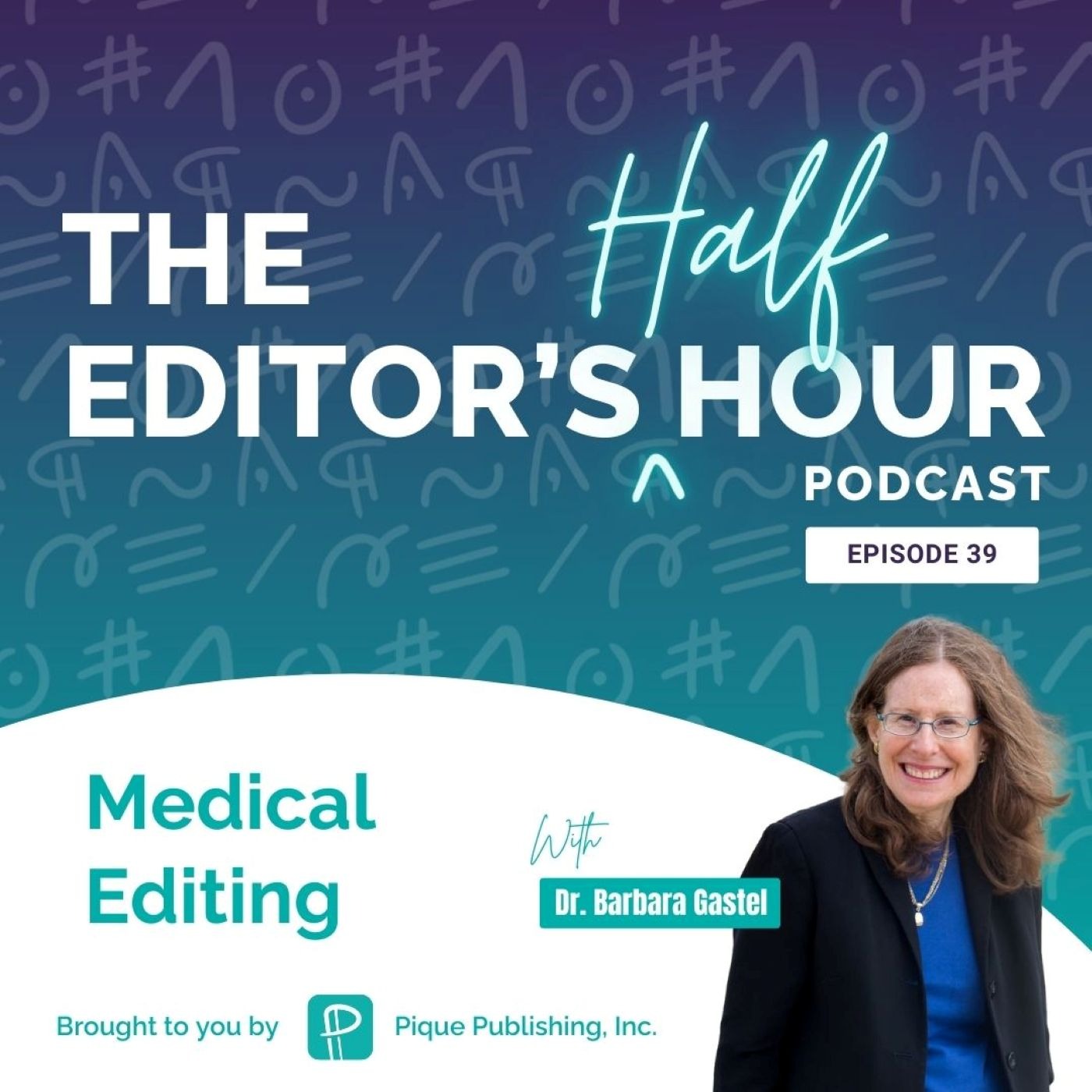
In this episode, I interviewed Barbara Gastel about the evolving field of medical editing—and the persistent myths that keep talented editors from stepping into it.
Barbara is the author of "Medical Editing: A Guide for Authors and Editors," published by the University of Chicago Press. Drawing on decades of experience in science and medical communication, she offers a grounded, practical look at what medical editors actually do, how they enter the profession, and why there is no single “correct” background for the role.
One of the most important takeaways from this conversation: you do not need a health science degree to succeed in medical editing. While subject-matter knowledge can be valuable, the profession benefits from editors with diverse training—journalism, English, publishing, research, and beyond. Strong editorial judgment, clarity of thought, ethical awareness, and respect for evidence are what truly matter.
We also discuss:
- The core responsibilities of medical editors
- How medical editing differs from other editorial niches
- The ethical considerations unique to medical and scientific publishing
- Practical advice for editors curious about entering this space
This episode is both an invitation and a reality check. Medical editing is rigorous. It carries responsibility. But it is also deeply meaningful work—work that shapes how research is communicated and how information reaches clinicians, policymakers, and the public. If you’ve ever wondered whether you belong in medical editing, this conversation may expand your thinking.
Leave a review or share this episode with your fellow editors!
Check out other episodes of The Editor’s Half Hour: piquepublishing.com/podcast
Connect with me on Instagram: @Editors_Half_Hour
Subscribe to my newsletter: tinyurl.com/EditorsHalfHour
Become a Patreon Sneak “Pique” supporter to get access to exclusive content on YouTube: patreon.com/EditorsHalfHour