Precision agriculture is not new. Soil testing labs were mapping variability across eroded knolls and low ground in the 1960s. What changed is that the equipment finally caught up to the idea, and a lot of operations bought the equipment without revisiting the idea.
Recorded live at Farm Forum, this is a working presentation from an operator who took a family grain farm from roughly 1,500 acres to 15,000 and spent more than a decade running variable rate trials across Saskatchewan's most variable ground.
What's Inside
- What seven years of trial data across hundreds of farms actually returned per acre, and how much of that came from input savings versus yield
- The first variable rate field, and the result that made the case before any of the data existed
- Why pushing nitrogen to the top rate produced lower yields, more disease and more lodging than a balanced program
- Applying the same thinking to fungicide, spraying by canopy density rather than by field, and what that returned
- A rented field with saline seeps that was losing money, and the decision to stop farming part of it
- The eighty twenty rule as it applies here: stop trying to get it perfect, get it better than last year
- Where he sees it going next, from soil moisture probes and real time sensors to autonomy
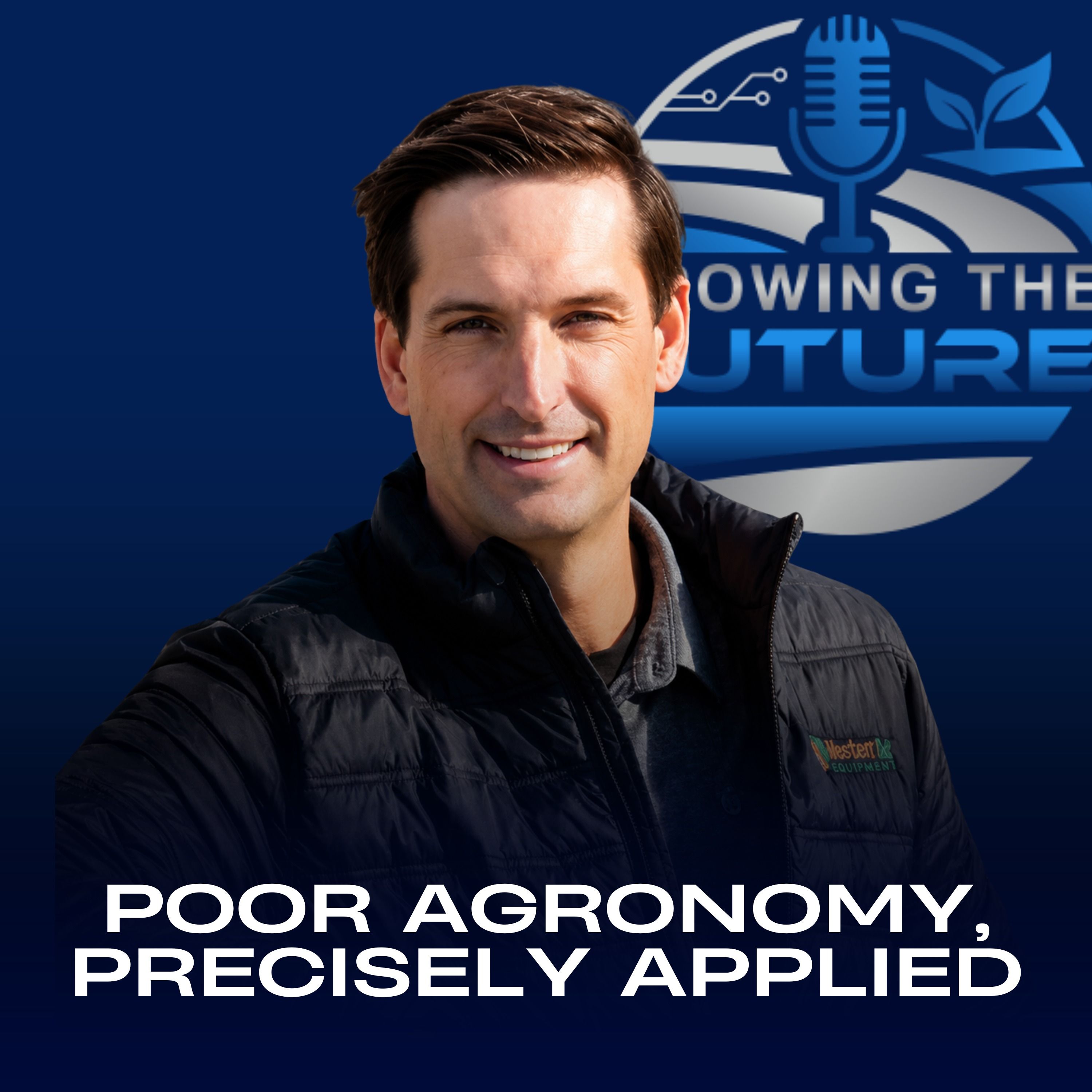
- The line about poor agronomy, and why the technology makes it worse rather than better
Related Episodes
- Les Henry, on the soil science this was built on
Connect with Growing the Future
Website: growingthefuture.ca
YouTube: Growing the Future
Instagram: @growingthefuturepodcast
LinkedIn: Growing the Future
Subscribe to the Growing the Future Podcast wherever you listen, and register for Convergence Conference 2027 at convergence.ag.
Register for the Convergence Conference at convergence.ag and stay updated by subscribing to the Growing the Future Podcast at growingthefuturepodcast.ca.