Key Topics
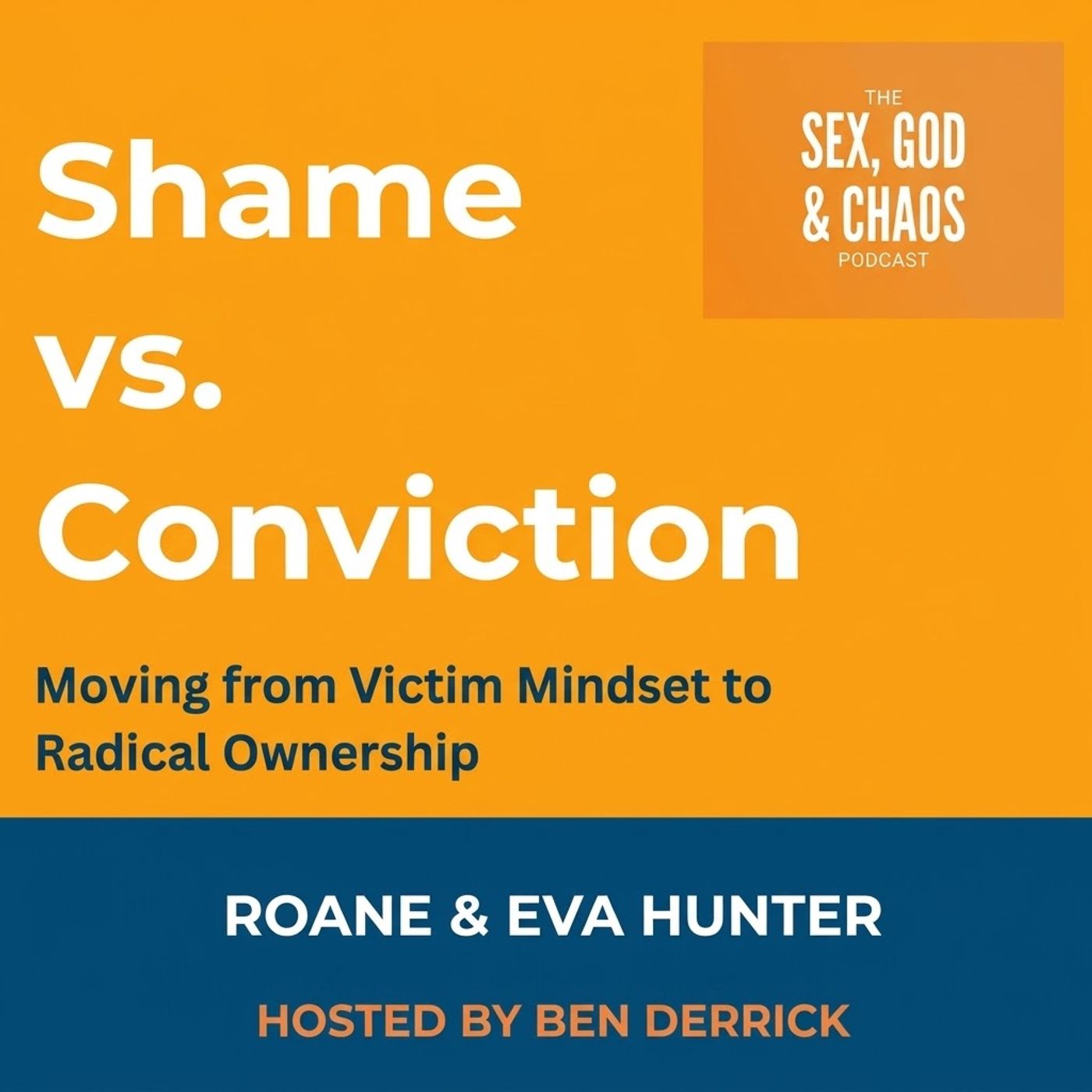
Ben Derrick and Roane Hunter distinguish shame, which can feed an addiction cycle and a search for relief, from conviction, which leads toward ownership and change.
Roane describes how discovery can dysregulate both partners: the person who acted out faces exposure, while the betrayed partner confronts lies and a shattered understanding of the relationship.
The victim mindset looks for excuses and may turn a partner’s behavior into justification; conviction starts with radical ownership of one’s choices.
Ben explains why apparent remorse can become a bid for rescue or relief rather than sustained accountability, and why ownership must be repeated over time.
Both hosts stress that recovery requires more than individual effort or occasional appointments: groups and trusted community can offer connection, honesty, and confrontation.
They discuss how “I don’t know” can function as avoidance, while acknowledging that genuine unawareness requires openness and growing awareness.
Both partners have work to do: the betrayed partner can establish boundaries, while the person who caused harm must take responsibility without demanding quick forgiveness.
The hosts frame lasting change as grace and truth over time, rejecting quick fixes such as moving house or expecting a short course of counseling to resolve deep patterns.
Takeaways
“Conviction is not part of the addiction cycle. Shame is part of the addiction cycle.”
“The victim mindset is looking for excuses. The conviction mindset is looking for explanations.”
“I've gotta begin to understand what's a victim mindset.”
“I've gotta own it.”
“I can't self correct.”
“I want to work on myself in the context of community.”
“Ownership is always the best place to start, to get out of victim mode.”
“It is connection, it is connection, it is connection.”
“Grace plus truth over time, 'cause it does take time, in order to heal.”
“If it's not transformation, it's just a party trick.”
Key Frameworks
Victim mindset versus conviction mindset
Grace and truth over time
Chapters
00:00 Why this conversation starts with a long-awaited return
02:12 The central question: shame versus conviction
04:03 What discovery does to both partners
07:31 Why recovery requires moving beyond shame
08:45 How shame can masquerade as conviction
10:50 The victim mindset and radical ownership
14:24 Why acting out is not the partner’s fault
16:11 Faith, confession, and the work of recovery
18:33 Why one hour of counseling is not enough
20:04 Excuses versus explanations
22:21 Repeated ownership and honest feedback
23:39 Why recovery needs community and connection
26:39 Calling out feigned confusion and “I don’t know”
30:35 Both partners have work and ownership
32:58 Shame, boundaries, and the risk of one-up dynamics
38:13 Grace and truth over time, not quick fixes
41:27 Transformation takes time and connection
44:16 Applying conviction to everyday conflict
45:28 The olive tree as an image of growth through hardship
To learn more about the Sex, God, & Chaos team, click the link below:
Looking for help? Book an appointment with LifeWorks Counseling today:
You can purchase your copy of Sex, God, & Chaos here:
Link for our sponsor, Hope Quest:
https://hopequestgroup.org
Link for our sponsor, The Samson Society:
https://www.samsonsociety.com/