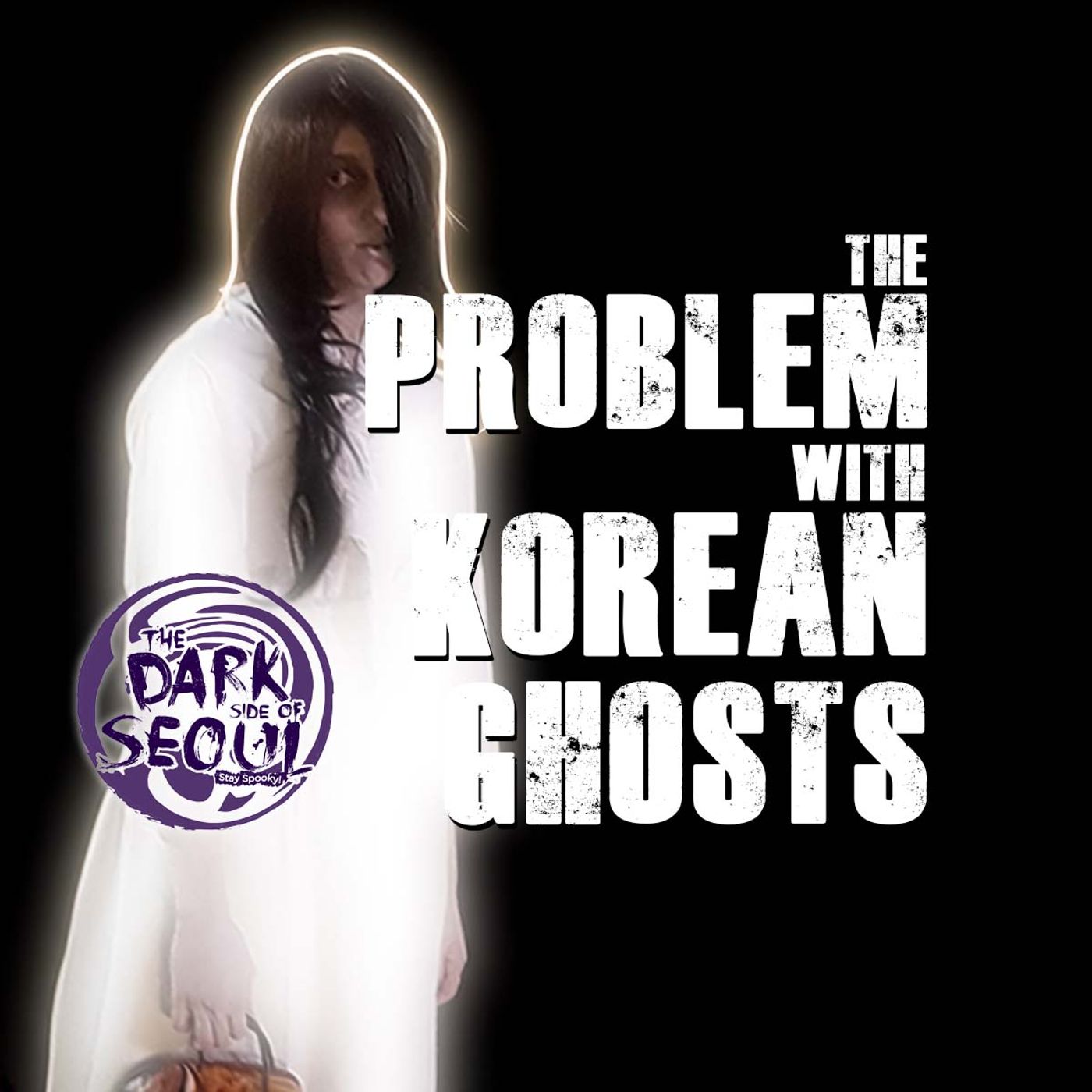
Why do ghosts conveniently conform to the culture of the people seeing them? Korean folklore gives us the cheonyeo gwishin, Western traditions have their own recognizable specters, and decades of movies have taught us that ghosts should be translucent, vaporous, and obviously dead.
Joe and Shawn question whether any of those images are useful when examining claims of actual ghost encounters. If ghosts represent a genuine phenomenon, Shawn argues, their basic characteristics should remain consistent across cultures. The conversation moves from Korean folklore and Shakespeare to filmmaking, Newfoundland ghost traditions, the concept of han, trauma as an explanation for hauntings, and the surprisingly mundane descriptions that appear in some of the more convincing alleged encounters.
More in Shawn’s newsletter article The Most Haunted Place on Earth!
00:00 Introduction
06:00 Defining the problem with ghosts
10:00 Folklore as explanation
11:36 What if ghosts are real?
13:00 Korean ghost imagery
15:00 Fictional ghosts versus alleged encounters
17:30 Ghost imagery across cultures
20:00 The mundane ghost
22:00 Theater, film, and translucent spirits
25:00 Ghosts we may not recognize
27:00 Newfoundland's "fetch" tradition
29:00 The most haunted place on Earth
31:00 Trauma and restless spirits
33:00 Han and Korean ghosts
34:50 Final discussion
36:30 Listener shout-out
The Dark Side of Seoul explores Korea's hidden history, true crime, folklore, ghost stories, urban legends, disasters, political scandals, and the strange corners of Korean culture that rarely make it into guidebooks. Hosted by long-time Korea residents Joe McPherson and Shawn Morrissey, the show blends historical research, cultural analysis, and firsthand experience to examine the people, events, beliefs, and mysteries that have shaped the Korean peninsula.
Hosted by Simplecast, an AdsWizz company. See pcm.adswizz.com for information about our collection and use of personal data for advertising.