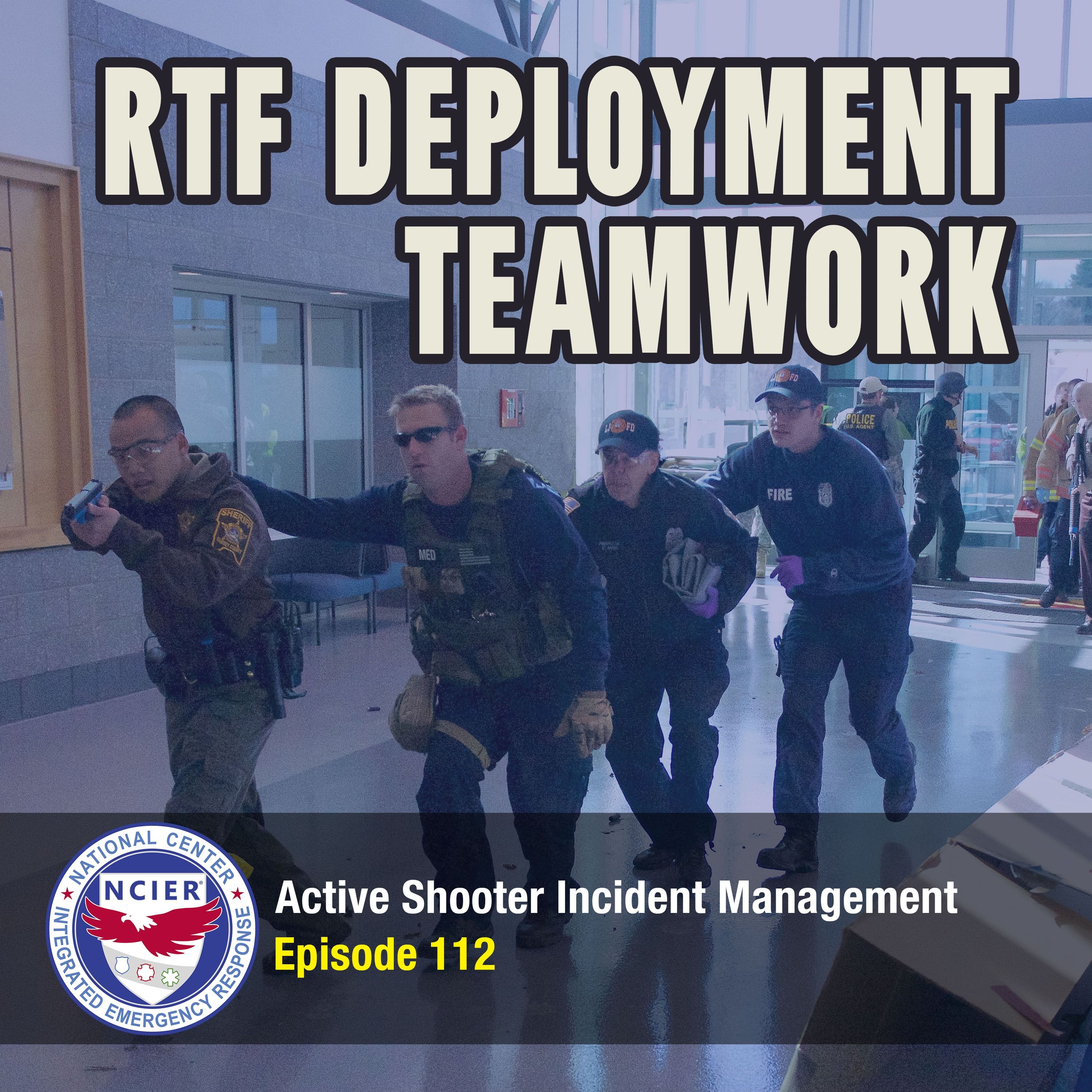
Today’s episode takes a close look at how police, fire, and EMS come together to form Rescue Task Forces (RTFs) and why true interagency teamwork is essential for saving lives during high-risk incidents. The episode emphasizes that successful RTF deployment depends on much more than just assembling personnel; it requires careful pre-deployment briefings, clear communication about roles and expectations, and a unified approach to movement and safety as the team enters potentially dangerous environments.
Before deploying, RTF members -comprised of both law enforcement officers and fire/EMS personnel – must understand who is responsible for medical decisions and who controls team movement. Law enforcement provides security and directs the team's movement, while medical personnel focus on triage and patient care; both elements must trust each other and communicate constantly to adapt to changing threats and patient needs.
The episode also highlights the importance of sequencing and structure. RTFs are not sent in until law enforcement has secured a "warm zone" or "warm pocket," and tactical, triage, and transport supervisors are working side by side to manage resources and information flow. This integrated approach ensures that teams can move quickly and safely, avoid confusion, and maximize the number of lives saved. The discussion makes clear that practicing these skills and building relationships in non-crisis settings is crucial, so that when a real emergency happens, the team operates as a cohesive unit.
Ultimately, "RTF Deployment Teamwork" demonstrates that effective teamwork-built on communication, trust, and shared objectives-directly impacts the speed and safety of casualty care and evacuation during critical incidents. The episode serves as a practical guide for first responders and agencies seeking to improve their coordinated response to complex emergencies.
View this episode on YouTube at: https://youtu.be/6h18R1em7I4
Like what you hear? Drop a review and subscribe to our Podcast Channel.
If you have questions, you can send them to info@c3pathways.com with “Podcast Question” in the subject line.
Check out our websites and learn more about C3 Pathways / NCIER by going to: https://www.c3pathways.com or https://www.ncier.org
The Active Shooter Incident Management Podcast is owned by C3 Pathways and NCIER. None of the content presented may be copied, repurposed, or used without the owner’s prior consent.