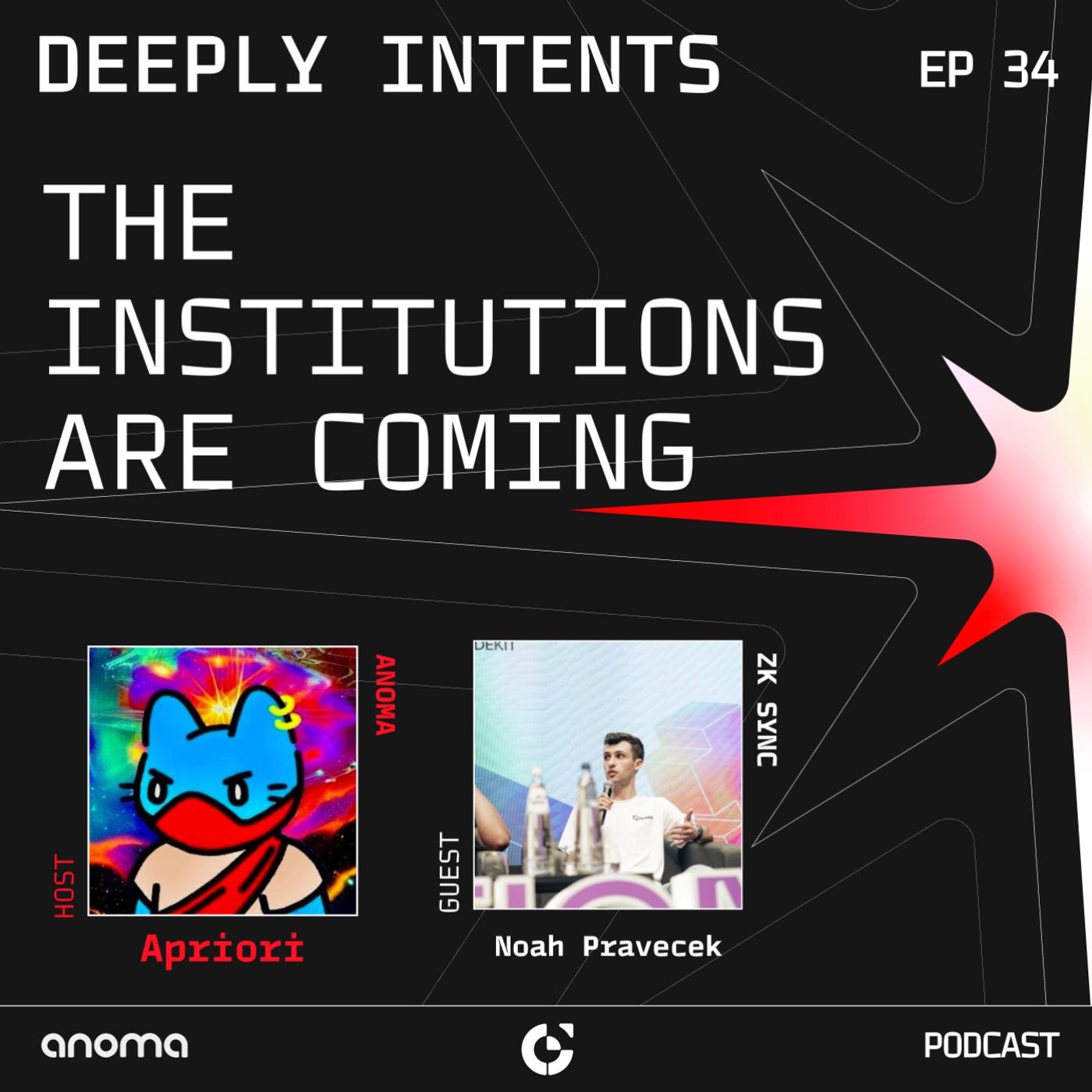
What does real interoperability actually look like and why might the industry be solving the wrong problems? In this episode, I sit down with Noah Pravecek from ZKsync to explore the evolving landscape of L2 composability, enterprise adoption, and where crypto is actually headed. Noah shares lessons from his previous work on shared sequencing and synchronous composability, and how ZKsync's network approach differs, particularly through Prividiums and their enterprise thesis. We dig into why RWAs are commanding so much attention right now and what that signals for the future. We also swap Devconnect takeaways, discuss the L1 premium question, speculate on what Ethereum can do to improve UX and how to avoid getting nerdsniped by the wrong priorities.
Timestamps
(00:00) - Working on synchronous composability
(04:52) - Reflections on shared sequencers
(08:56) - Network of enterprise chains
(12:27) - Institutional thesis
(14:16) - Onchain capital formation
(18:27) - Scaling Ethereum's liquidity
(24:49) - RWAs as collateral
(28:48) - Different kinds of RWAs
(32:35) - Devconnect takeaways
(41:39) - Onchain credit markets
(45:31) - infoFi applications
(49:05) - L1 Premium will fade over time
(54:37) - Staying ahead of the innovation curve
(56:43) - It takes a village
(59:04) - Ethereum should focus on improving UX
(1:02:10) - Synchronous composability nerdsnipe
Disclaimer
Nothing in this episode should be interpreted as financial, technical, or legal advice. The host does contract work for Heliax, a public goods laboratory, focusing on Anoma.