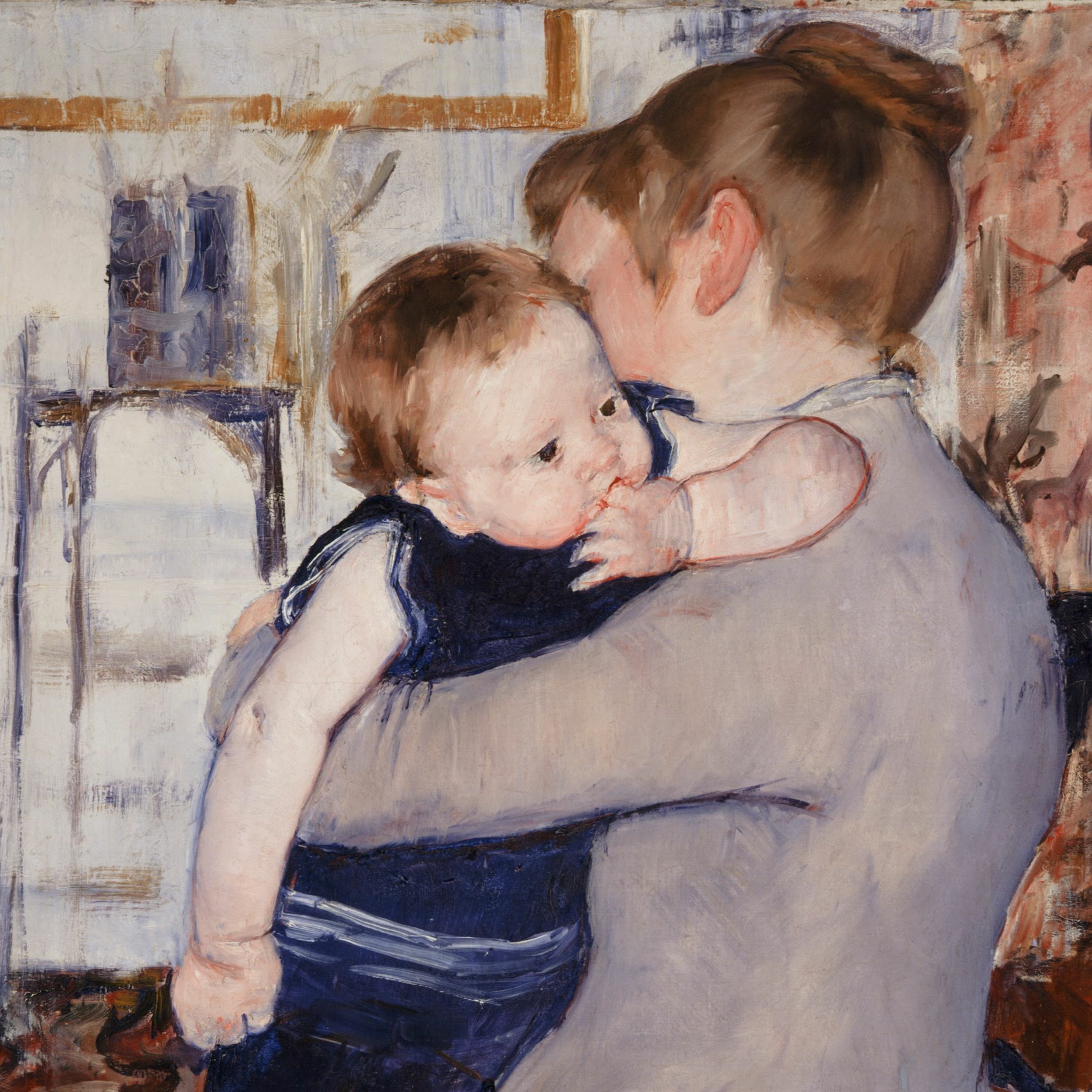
Part 4 of a six-part conversation on fixing the art world system: see www.artquest.org.uk/articles/view/system_failure.
This talk considers families as a problem for the art world, not as a problem for artists. On a local, mundane level, the art world at best ignores and at worst actively discourages family life. The predominant social and professional network of the art world - the evening gallery opening - occurs at the time when young children are being put to bed, effectively barring artist-parents. If the first three years after graduation are vital when chasing an artists career, the first few years after the birth of a child are just as, if not more, difficult.
How much of this is a general issue in society and culture? With developments in paternal leave being rolled back under the current government (and anyway only open to employees, not the freelance workers who make up the majority of 'new' jobs in the creative industries), cuts to tax credits, rising in-work poverty, stagnating freelance incomes and a housing market that leaves behind a majority of citizens, what makes artists a special case in this? And how can we help change the art world to combat this inequality?
Many other artist opportunities - residencies, exhibitions and publications - require long periods either of physical absence from home or intense working periods, requiring a flexibility that can be hard to combine with the regular timetable and commitment that younger children need. Recent interviews with artists by Artquest have anecdotally found that some artists consider parenthood as incompatible with an artistic career - leaving a choice to either maintain a career or raise a family.
There are wider societal myths of what an artist is that need to be challenged as well. Typically considered to be male, single and white, representation and equality within the arts continues to be weak despite multiple high-profile publicly funded projects. We, as a society, seem to want our artists to still be a little mad and bad, uncomplicated and entertaining, in lieu of their work being of greater interest.
What policies and practices - formal and informal - can be put in place or become more normal to ensure wider representation of our whole society in the art world? Mary Cassatt (the artist responsible for the painting illustrating this talk) decided early on that being married, and the children and responsibilities this would bring, would be incompatible in the mid-nineteenth to the early-twentieth centuries for a woman artist. If she were still alive today, what differences would be see in how our society treats artist-parents - and what would be depressingly familiar?