Part 1 of a six-part conversation on fixing the art world system: see http://www.artquest.org.uk/articles/view/system_failure.
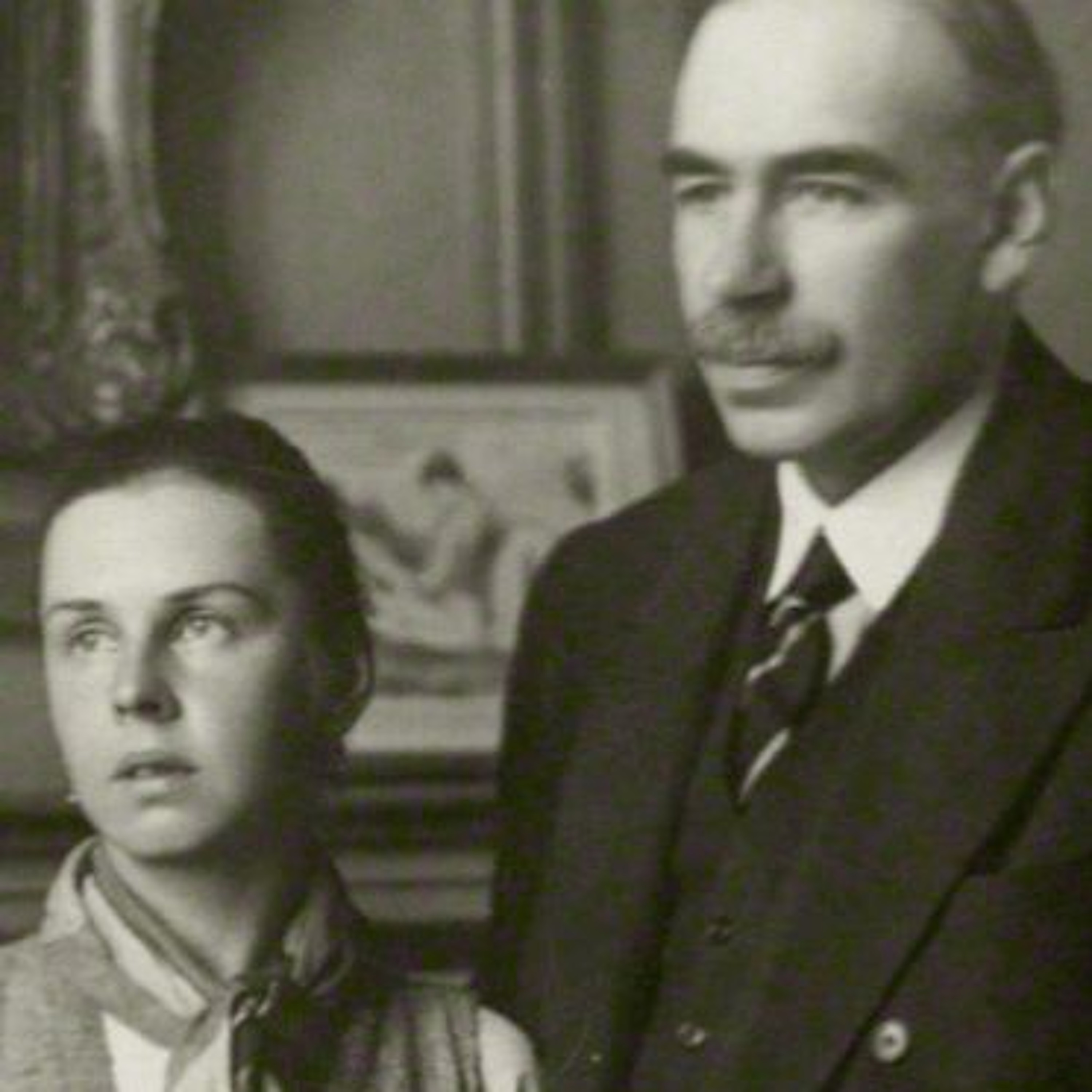
Modern public funding for the arts in the UK is fifty years old this year, with the first (and so far only) white paper A Policy for the Arts - First Steps published by arts minister Jennie Lee in 1965. But much earlier, in 1946, economist John Maynard Keynes was instrumental in setting up its forerunner, the Arts Council of Great Britain, which endured until 1994.
The original aims of public arts funding, as developed by Keynes and his peers, were to protect the past while helping artists and audiences to create a cultural future for all the country. He understood that governments have a responsibility to their citizens to fund culture, and that money was only useful when put to good use.
Today, much public funding is used to pay for riskier projects that may not otherwise see the light of day, complimenting and feeding commercial sections of the art world that return tax revenues to the Treasury but nothing directly to funding bodies. It aims to develop diversity, equality and environmental sustainability but doesn’t make demands on rates of pay for artists. It allows individual artists to develop their practices aside from commercial pressures, but tends not to engage with commercial elements of the art world very effectively. And in the past it has sometimes paid for large infrastructural organisations but not budgeted for ongoing costs, leaving them at the mercy of financial pressures outside of their control.
This talk will explore and test these assumptions and asks: is this balance right? Do artists deserve more of the available diminishing public funds? Is our organisational infrastructure the best place for this investment in our cultural future? Who makes the decisions? And what part should artists play in a system that puts the producers of artistic activity at its heart?