Part 3 of a six-part conversation on fixing the art world system: see www.artquest.org.uk/articles/view/system_failure.
Artists, like any other worker, need to earn an income. And like many other freelancers, they are sometimes asked to work for free. The issue of pay for work is complex, political and philosophical on the one hand, but tied very firmly to the practical considerations of housing, raising a family, and making work.
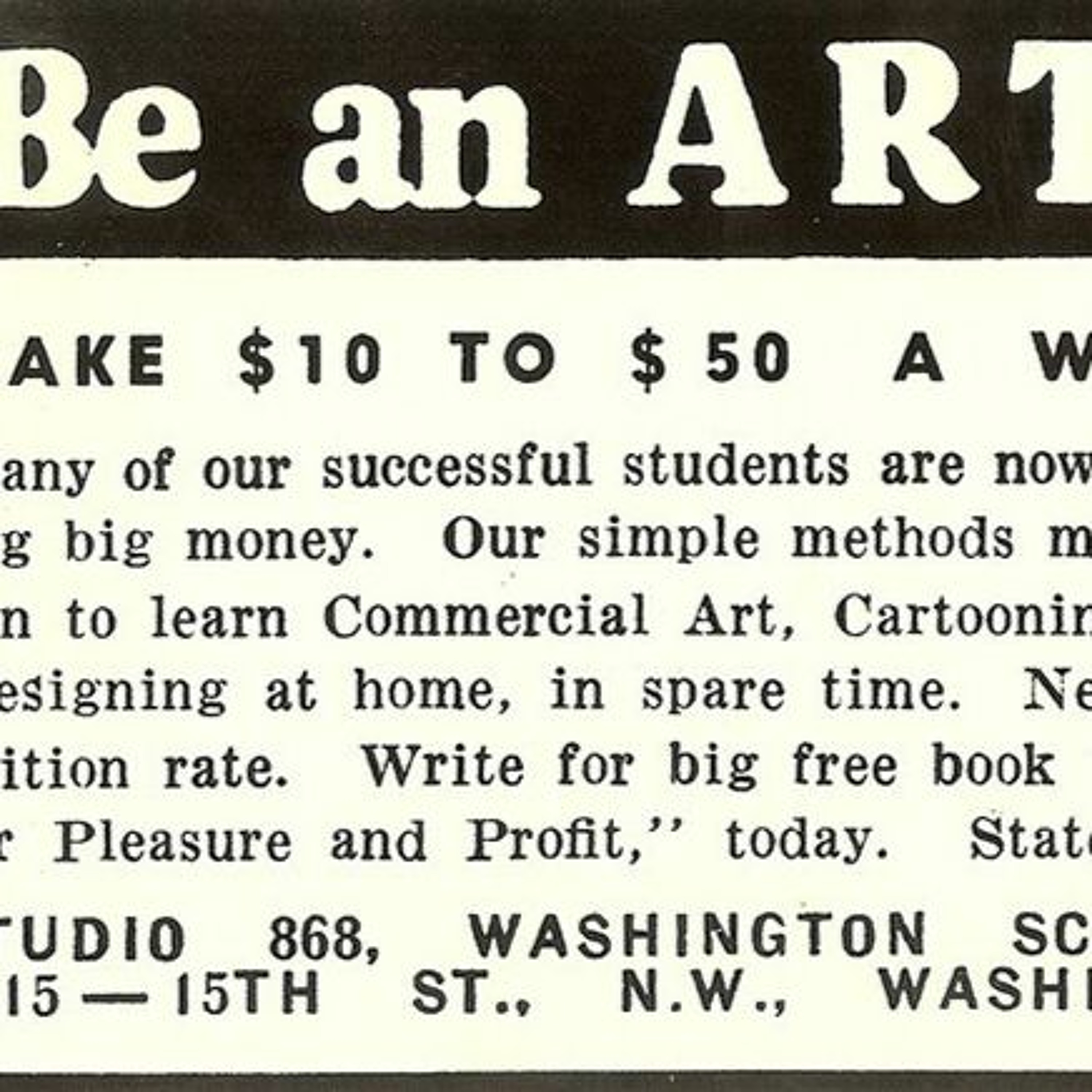
Over the past twenty years or so, the arts have undergone enormous cultural and social changes that provide huge challenges to artists - artists without whom there would be no art world, but who always seems to be the last one paid. The visual arts have been subsumed into the wider creative industries, about which we hear only good economic and employment news, how they attract tourism, how they provide a workforce for the games and advertising industries. What we hear little about in the mainstream press is how their median income remains stubbornly below the minimum wage, and how they are increasingly asked to work for free.
As traditional public funding comes under pressure from successive governments, artistic aims are subsumed into more instrumentalised aims, and the language of the arts changes into one of the professional, artists are more and more asked to think of themselves more as businesses than creative workers. Increasingly, public funding is being replaced by controversial corporate sponsorship (witness BP’s sponsorship of Tate and the Royal Opera House), with artists being left to consider if they can afford the knock to their reputations to work with such institutions, or afford the knock to their careers if they don’t. Freelance activity - the structure of the overwhelming majority of individual artists - requires cross-subsidy in all sectors, where lawyers take on pro bono casework and directors of organisations volunteer on organisational boards to give something back into society. But the economic status of artists hasn’t caught up with the push to be professional, perhaps because, even without money offered, artists can still be found to work for free.
Conversations within the arts around income for artists also turn around equality and diversity. Where a sector relies so heavily on low and unpaid workers, only those with high external incomes can afford to keep working for low or no pay. Given the structural inequality of society, that also means the arts will likely remain white and middle class until we can effect change to address this issue. We run the risk of maintaining an art world that reflects only a small proportion of the experiences and backgrounds of our citizens unless we find ways to address pay.
Not that it will be easy - given the competition in the arts for exhibitions, artists can always be persuaded to exhibit for free. Some embrace this, with curatorial contact and support, catalogues, networking and contact with particular artists also highly prized by exhibiting artists. Ultimately, pay has to be balanced by individual motivations, circumstances and resources, with support for artists to negotiate for their own benefit and the confidence to walk away if a situation is not viable.