Barber: Adagio for Strings – originally the slow movement of a string quartet written in Rome in 1936
Albinoni: Adagio in G minor for strings and organ – listen in to found out who the real composer is thought to be
Faure: Pavane – based on a 16th century court dance performed in pairs
Elgar: Nimrod – the 9th of his 14 Enigma Variations and synonymous with Remembrance
Mascagni: Cavelleria Rusticana Intermezzo – an evocative piece with luscious, sweeping melodies
Dvorak: Serenade for Strings 2nd movement – written in just 2 weeks in the summer of 1875
Brahms: Symphony No 3 in F major 3rd movement Poco allegretto – hear what Dvorak said about this symphony
Mozart: Piano concerto No 21 in C K467 2nd movement Andante – Mozart’s autographed manuscript for this well known concerto is on display in a library in New York City
John Barry: The Beyondness of Things – from a Yorkshireman and one of the greatest composers of film music
COFFEE BREAK We will be playing the adagios from two much loved concerti
Bruch: Violin Concerto No 1 in G minor 2nd movement
Mozart: Clarinet Concerto in A 2nd movement
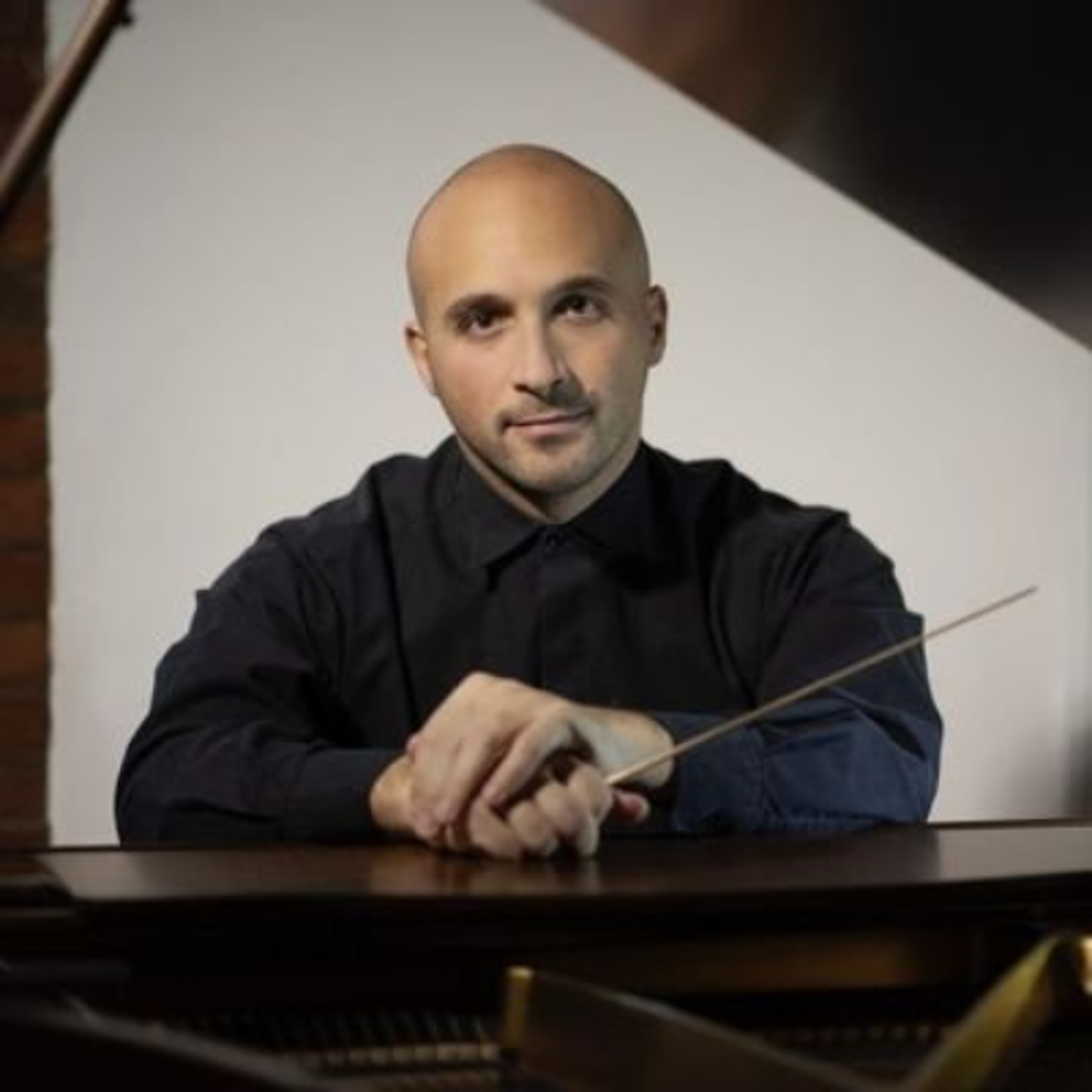
Interview with Claudio Di Meo, conductor with Hemel Symphony Orchestra
Saint Saens: Danse Macabre – hear how Saint Saens uses the instruments to tell the story of dancing skeletons
Mussorgsky: Pictures at an Exhibition Bydlo – the fourth movement entitled Bydlo meaning cattle in Polish and refers to an oxcart
Mussorgsky: Pictures at an Exhibition The Great Gate of Kiev – a majestic, solemn finale
Interview with piano soloist Mario Miralle Garcia
Grieg: Piano Concerto in A minor 2nd movement Adagio – the middle movement of Grieg’s much-loved but only piano concerto
Beethoven: Symphony No 6 in F major Pastoral 4th movement Allegro – entitled Thunderstorm , listen out for the fearful cries of the piccolo and the trombones depicting a lightning strike